
Last updated November 16, 2026
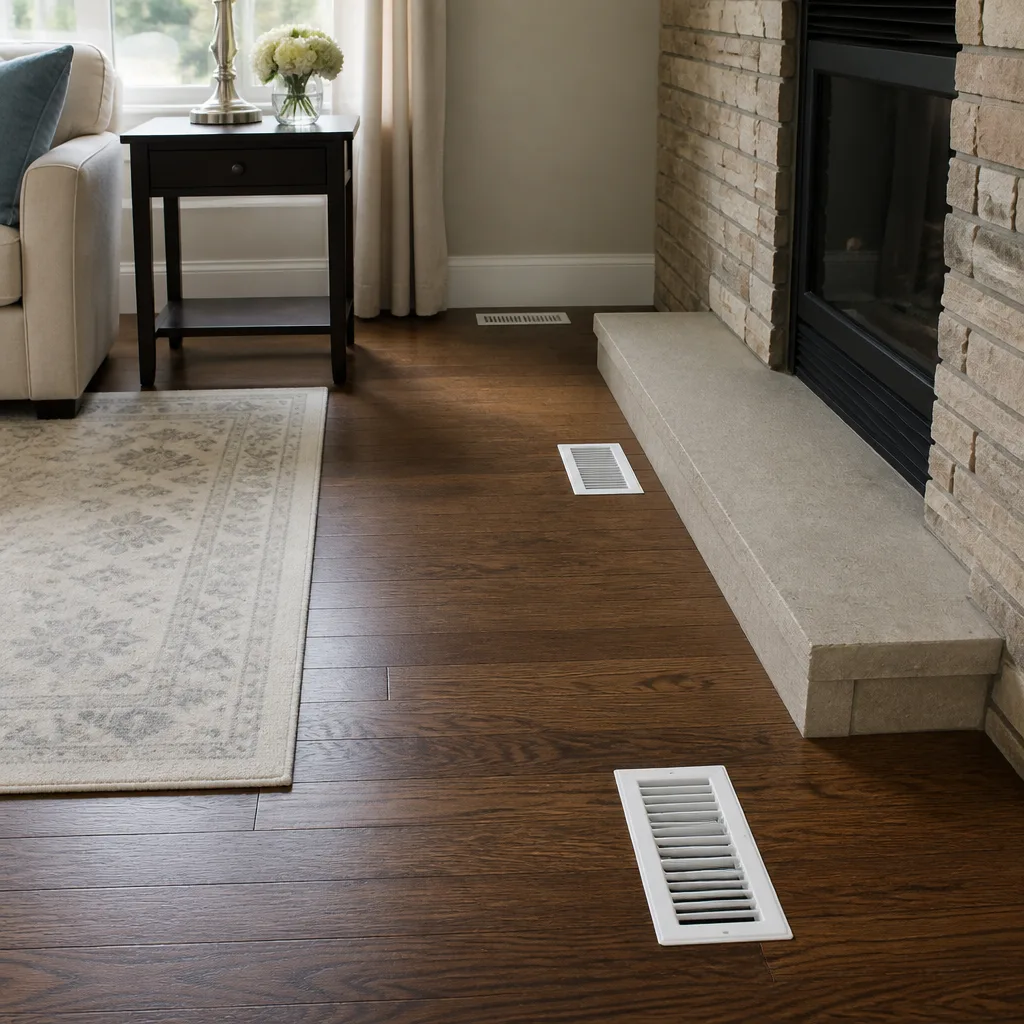 Whole-home duct cleaning
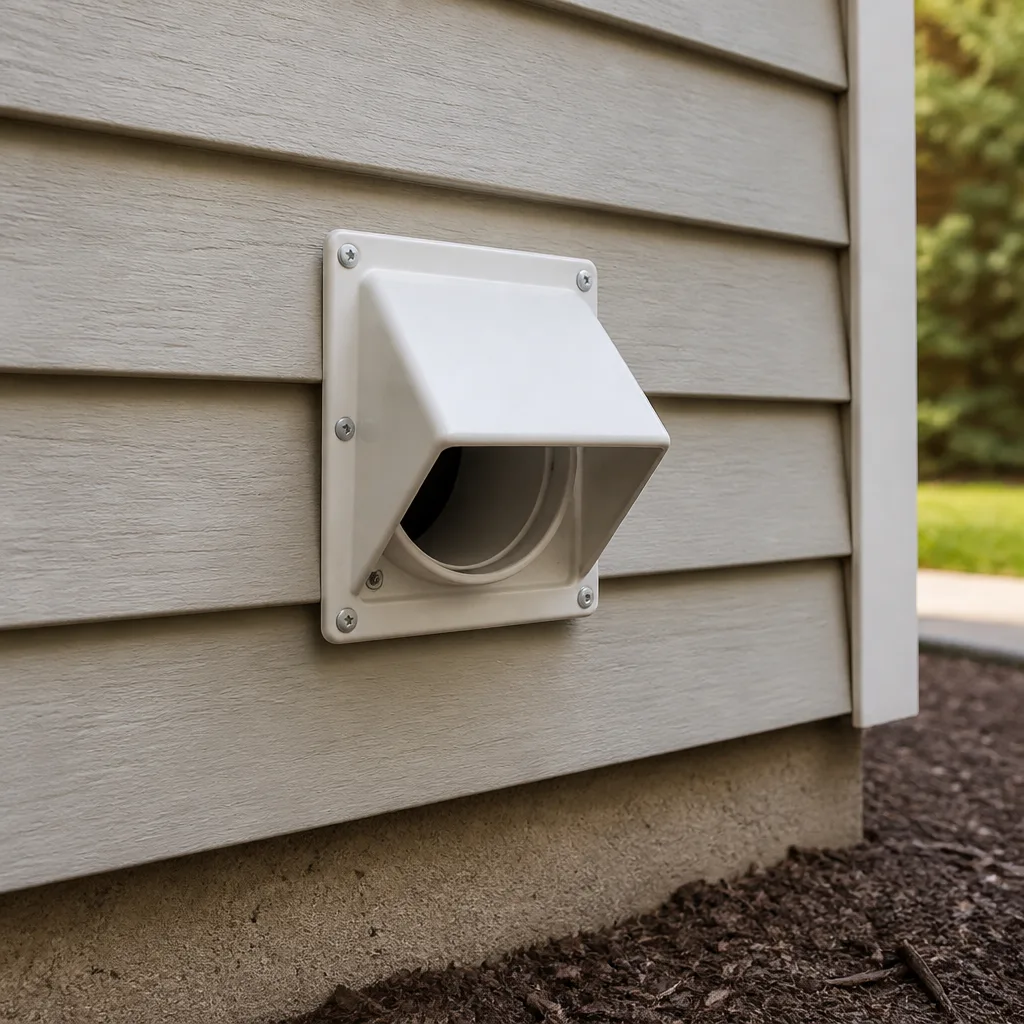 Dryer vent cleaning
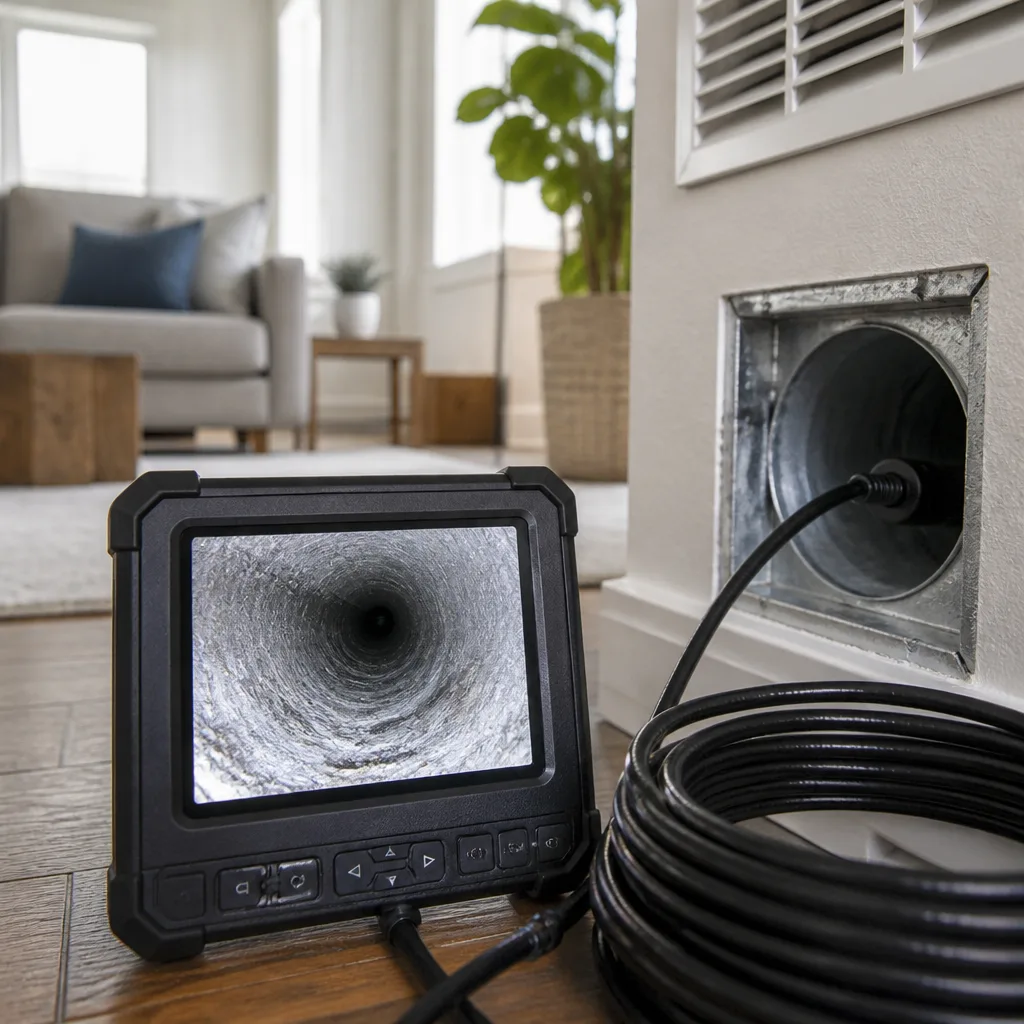 Camera inspection
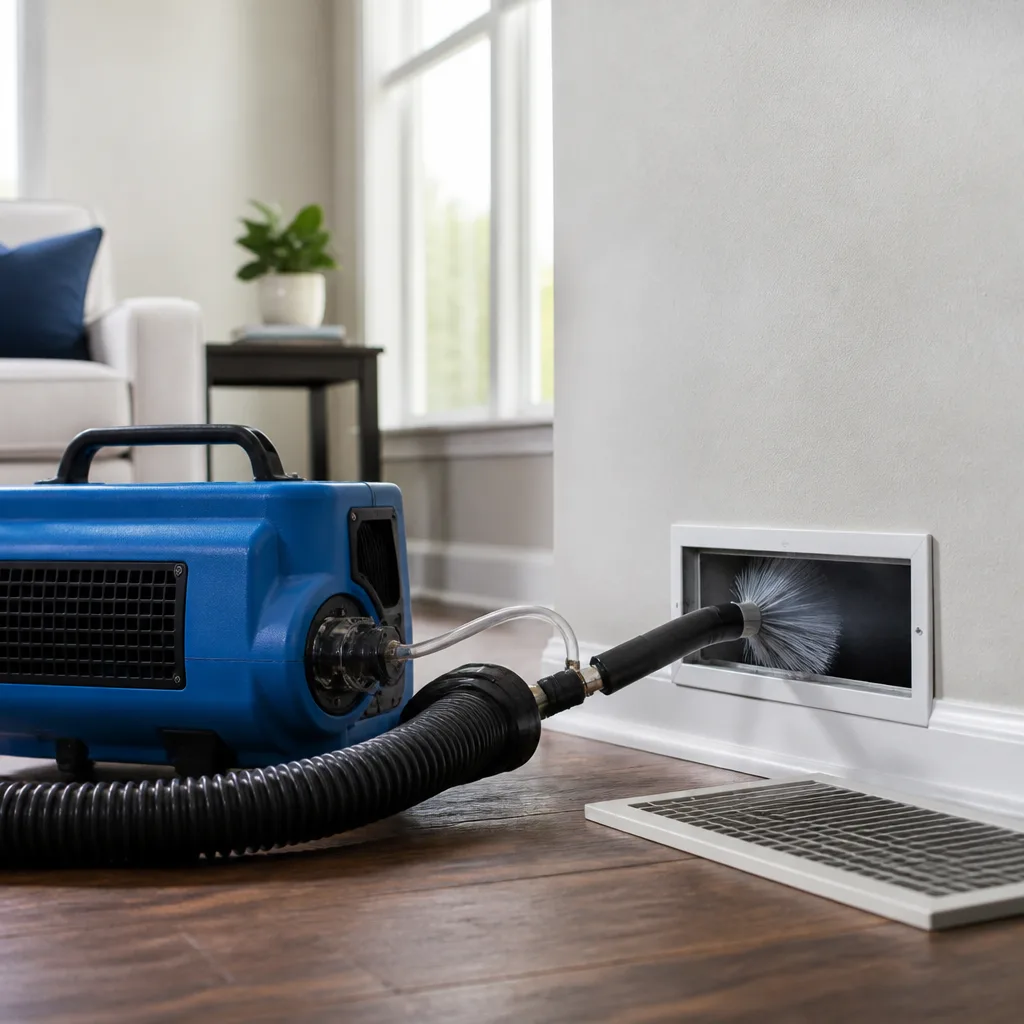 Sanitizing & deodorizing
Whole-system duct and dryer vent check with before-and-after photos - you see exactly what came out of your vents
That "$99 whole-house special" is a bait ad - the real number appears once they are in your hallway, or the "clean" is a shop-vac at the register. We photograph the inside of your ducts before and after instead.
Air Duct Cleaning Troubleshooting in Brockton: Common Problems and How to Fix Them
If your home is dusty again two weeks after a duct cleaning, the technician likely never reached the main trunk lines. That’s the shortcut we hear about most from homeowners in Brockton, and it leaves most of the debris in the system untouched. Cleaning the visible branch runs and skipping the trunk is fast, cheap, and nearly invisible from the living room. The dust comes back, and you assume the house is the problem. Usually it isn’t. This guide walks you through how to tell an incomplete job from genuinely recurring contamination, what to check at your registers, why weak airflow after a cleaning is often a missed blockage rather than a dirty filter, and when a second visit is warranted versus when the original company should return. You’ll finish knowing how to read your own system.
Quick Answer
Dust returning within two weeks of a duct cleaning usually means the main trunk lines were never cleaned, not that your Brockton home is unusually dirty. Weak airflow after a cleaning typically points to a collapsed flex duct, a clogged coil, or a blockage the cleaner missed. Musty odors that fade within a day are normal; odors that persist past 48 hours suggest mold and need a different conversation entirely. A flashlight inspection at your registers will tell you most of what you need to know in under ten minutes.
Styles & brands we work with
- Whole-home duct cleaning
- Dryer vent cleaning
- Camera inspection
- Sanitizing & deodorizing
Table of Contents
- Why Is My House Still Dusty After a Duct Cleaning?
- The Flashlight Test: How to Check If Your Ducts Were Actually Cleaned
- What Negative Pressure Means and Why It Matters in Your Brockton Home
- Troubleshooting Weak Airflow After a Cleaning
- The Smell Test: Normal Debris Odor vs. Mold
- When a Second Cleaning Is Warranted (and When It Isn’t)
- Air Duct Repair vs. Cleaning: Which Problem Do You Actually Have?
- IAQ Upgrades That Keep Ducts Cleaner Between Service Calls
Why Is My House Still Dusty After a Duct Cleaning?
Dust returning after a cleaning almost always traces back to one of three causes: the trunk lines were skipped, the return side was never touched, or the cleaning loosened debris without capturing it. All three are equipment and method problems, not house problems.
Here’s what usually happens. A cleaner arrives with a shop vacuum or a low-powered portable unit. They pull a few register covers, run a brush down the visible branch runs, and put everything back. The main trunk line, which runs through the basement or attic and feeds every branch, never gets touched. In our experience, that trunk holds the bulk of the accumulated debris in a typical Brockton home. You paid for a cleaning. Your branches are clean. Your trunk is not. Two weeks later, the furnace or AC kicks on and starts pushing the same material back into your rooms.
The return side is the other common shortcut. Returns pull air from your living space and feed it back to the air handler. If they were skipped, every time the system runs, it’s pulling dust from the return plenum and redistributing it. You can’t see this from the supply registers, which is exactly why it gets missed.
The third cause is the most frustrating. If a cleaner uses a rotary brush or air whip but doesn’t pair it with a HEPA-rated vacuum running under negative pressure, they’re loosening debris and leaving it in the system. Fine particulates stay airborne in your home for days. The system was disturbed more than it was cleaned.
What separates a professional job is that dislodged material gets captured, not just moved. That’s why we run air duct cleaning with a Nikro HEPA vacuum paired with Abatement Technologies negative-air equipment. Every cubic foot of air in the working area gets filtered before it’s returned.
If the dust is back, the question isn’t whether your house is dirty. It’s whether the trunk and return were actually cleaned. The flashlight test in the next section will tell you.
The Flashlight Test: How to Check If Your Ducts Were Actually Cleaned
A flashlight held at the register opening is the single most reliable DIY check for whether a cleaning reached the ducts. If you can see a fine coat of dust on the inner surfaces of the branch run, that branch wasn’t cleaned or was cleaned incompletely.
Here’s the step-by-step routine. It takes about ten minutes, works on any forced-air system, and requires nothing but a screwdriver and a flashlight.
- Turn off the system at the thermostat. You don’t want the blower pushing air while you’re looking inside.
- Pick three registers in different rooms. Choose one close to the air handler, one at the far end of the house, and one on the second floor if you have one.
- Remove the register cover. Most are held by two screws or a friction clip. Set the screws somewhere you’ll find them.
- Shine the flashlight down the branch run at a shallow angle. You’re looking for a fine, even coat of dust on the metal or flex duct interior. A cleaned duct won’t be spotless – it never is – but it should look swept, with visible streaks from a rotary brush, and no thick accumulation on the bottom curve.
- Look for brush marks. A Rotobrush rotary brush leaves faint swirl or drag patterns on the duct walls. Their presence is one of the clearest signs of a real cleaning.
- Check the return grille. Compare its inner surface to the supply you just looked at. If the supply is clean and the return is visibly coated, the return side was skipped.
- Reinstall the covers and turn the system back on. Note which registers looked dirty so you have specific evidence if you call the original company back.
One more check worth doing: look at the register covers themselves. Professional cleaning typically includes removing and rinsing them. If the grille is still dusty on the inside face but the duct behind it looks swept, that’s a small miss. If both are dusty, the branch is the concern.
If your inspection turns up dusty branches, your cleaner didn’t do the work. That’s a conversation with them first, then a decision about whether to bring in a dedicated duct specialist for Brockton homeowners who’ve been through this. The Brockton housing stock is a factor here, too. A lot of homes are older, many with original sheet-metal trunk lines and additions that added flex branches later. Mixed systems like that need a cleaner who knows how to work both.
What Negative Pressure Means and Why It Matters in Your Brockton Home
Negative pressure is the working condition where the space being cleaned is held at slightly lower air pressure than the space around it, so debris gets drawn toward the vacuum instead of floating into the room. Without it, a cleaning loosens debris into your air rather than removing it.
Here’s the plain-English picture. When a rotary brush or air whip travels down a duct, it breaks loose a cloud of dust, fibers, and biological material. If the vacuum on the end of that duct is stronger than the surrounding room air, that cloud gets pulled toward the vacuum. If it isn’t, the cloud drifts out through the nearest register opening and into your living room. The cleaner can be thorough and still leave your air dirtier than before, because the capture was never there.
This is where the Abatement Technologies negative-air machine comes in. It’s not a household air scrubber. It’s the same class of equipment used by remediation contractors to hold a work area under controlled pressure while material is disturbed. When we run it alongside Nikro HEPA vacuum equipment, we’re creating a pressure envelope around the duct system. Debris that gets dislodged goes toward the filter, not out into the room.
How do you know if a cleaner plans to use negative pressure? Ask three questions before they arrive:
- What vacuum are you running? A HEPA-rated unit is the answer you want. A shop vac is a red flag.
- Do you close off the duct openings while cleaning? Proper containment means the working openings are sealed to a vacuum.
- Is there negative-air filtration running? If they don’t know the term, they aren’t using it.
Why does this matter in Brockton specifically? Duct cleaning here runs seasonally, and much of it happens in spring and fall when the system is switching. That’s also when the dust in a home is already airborne from spring cleaning or from packing away winter gear. If a cleaning adds a new airborne load at exactly the wrong time, homeowners with allergies feel it for weeks. That’s the difference between HEPA-contained cleaning and the alternative.
One thing we won’t do is claim everyone needs negative pressure every time. Some systems are short, simple, and relatively dry. But the standard for any job worth doing should be that the debris gets captured. That’s what we build our jobs around with the Rotobrush rotary brush systems.
Troubleshooting Weak Airflow After a Cleaning
Weak airflow after a duct cleaning usually means the cleaning didn’t cause the problem – it exposed one. A collapsed flex duct, a clogged cooling coil, or a blockage the cleaner passed over are the three most common causes we run into.
The frustrating part is that these often existed before the cleaning. Once dust and debris are removed, the system flows more air through the same constrictions. If a duct is partly crushed, more air pressure builds against the crush, and the register at the end of that run can actually feel weaker than before. The cleaning didn’t break anything. It revealed a duct that wasn’t delivering to spec.
Start with the easy thing: replace the filter. A dirty filter is the single most common cause of weak airflow and the cheapest to rule out. Then walk through the checks below.
- Test airflow at every register, not just one. If the weak spot is one register and the rest are fine, the problem is in that branch run. If the whole house feels weak, the problem is at the air handler or the return.
- Look at the flex duct runs. In Brockton homes that have had additions or system retrofits, flex duct is common. Flex duct can kink, sag, or crush if it’s laid over a joist, stepped on in the attic, or pulled tight around a corner. A visible kink or crush in the flex run is the cause.
- Check the cooling coil. This is not a homeowner job – it lives inside the air handler – but you can ask a technician to look. A coil clogged with dust and biofilm chokes airflow regardless of how clean the ducts are.
- Ask whether any register was left closed. Some cleaners return covers partially closed or reinstall dampers in the wrong position. A single closed damper can drop airflow noticeably in a specific zone.
- Ask the cleaning company what they saw in their inspection. A real duct cleaning includes a visual check of every accessible run. They should be able to tell you if a branch was blocked by debris, a crushed section, or a disconnected joint.
If you’ve ruled out the filter and the closed register and one zone is still weak, the next step is air duct repair, not more cleaning. A crushed flex duct needs to be replaced or re-supported. A disconnected branch fitting needs to be sealed and reattached. No amount of additional cleaning fixes either, which is why we offer repair alongside cleaning as one service wrap.
One more thing worth mentioning: if you’re using dryer vent cleaning at the same time, don’t confuse the two systems. Dryer airflow problems – slow drying, hot dryer body – are separate and worth fixing on their own schedule. Weak HVAC registers won’t be solved by clearing the dryer vent, and vice versa.
The Smell Test: Normal Debris Odor vs. Mold
A musty smell that fades within 24 hours of a cleaning is normal. A musty smell that persists past 48 hours, gets stronger when the system runs, or stays in specific rooms is a sign of mold and needs a different response.
Both smells are musty. That’s what makes them confusing. The difference is duration, location, and what you see when you look inside the duct. Here’s how to tell them apart.
Normal debris odor after a cleaning
When a rotary brush travels through a duct, it dislodges material that’s been sitting on the duct walls for a while. Fine dust, hair, pet dander, and dried organic debris all have an odor once they’re airborne. That smell is usually faint, fades within a day, and disappears entirely once the system has run a full heating or cooling cycle. It doesn’t return.
Mold odor
Mold odor in a duct system is stronger, earthier, and persistent. It tends to concentrate in specific rooms or zones rather than the whole house. It gets stronger when the system runs, because mold spores are being pushed into the living space. And it comes back. If you smell it in the same room, week after week, that’s not debris smell. That’s growth.
What causes mold growth in ducts? Moisture. Three common sources in Brockton homes are:
- A wet cooling coil or drain pan. If the condensate line is clogged or the pan holds water, the whole downstream duct system stays damp.
- High indoor humidity through the summer. New England summers are humid. If your AC isn’t keeping up or your home has poor ventilation, humidity can build in the return plenum.
- Water intrusion into the duct run. A roof leak into an attic duct run, or a basement duct that sits in a damp crawl space, will eventually grow mold.
If you suspect mold, the cleaning needs to come after the moisture source is fixed. Cleaning a moldy duct with a wet source still active is a waste of money, and remediation is a different scope than standard duct cleaning. Ask the cleaning company directly whether they offer remediation or whether they’ll refer you. A real specialist will tell you which one you’re looking at.
The 48-hour rule is a good working guide. Smell that clears in a day, you’re fine. Smell that lingers and returns, call someone who’ll look at moisture, not just dust.
When a Second Cleaning Is Warranted (and When It Isn’t)
A second cleaning is warranted when the first cleaning demonstrably missed the trunk lines, the return side, or accessible branches. It isn’t warranted when the odor is mold or when the airflow problem is a crushed duct.
Here’s the decision tree we walk through with homeowners who call us after a frustrating first job.
Call the original company back if:
- The flashlight test shows dusty branches or brush marks are absent.
- The return grille is visibly dirty but the supply registers are clean.
- The cleaning was done recently and the company offered a satisfaction guarantee you’re trying to invoke.
- You have photos of the register interiors taken right after the cleaning.
Most established duct cleaning companies will return for a legitimate complaint. Be specific about what you saw, with photos. Generic complaints like “still dusty” are easier to deflect than “the return plenum behind the main grille has a visible dust coat and the supply branches show no brush marks”.
A second cleaning makes sense if:
- It’s been more than two or three years since the first one, and you have pets, recent construction, or a person in the home with asthma.
- You had significant renovation work done after the first cleaning. Drywall dust and construction debris settle everywhere.
- You moved into a home where you don’t have a record of the last cleaning, and the flashlight test shows visible buildup.
- A previous cleaning was done with a shop vacuum or without HEPA capture.
A second cleaning does not make sense if:
- The airflow problem is a crushed flex duct or a clogged coil. Cleaning won’t fix it. Repair will.
- The smell is mold and the moisture source hasn’t been fixed.
- The dust is coming back from a source outside the duct system – open windows, pets, too-infrequent filter changes, a dirty return in a basement that pulls from a garage. Cleaning the ducts won’t fix a source that’s outside the system.
One more scenario worth naming: some homeowners are told they need their ducts cleaned annually. That’s not a standard anyone should enforce. If your system is well-sealed and the filter is changed on schedule, most homes go years between cleanings. When a company pushes annual cleaning as a rule, ask what they’re seeing that justifies it. If they can’t point to something specific, the recommendation isn’t about your ducts.
For more on this, our team at Duct Cleaning Brockton will walk through it with you on the phone before you commit to anything.
Air Duct Repair vs. Cleaning: Which Problem Do You Actually Have?
Cleaning addresses accumulated debris inside a working system. Repair addresses a system that isn’t working – crushed flex runs, disconnected joints, leaks at seams, or a duct that’s come loose from a register boot. Many jobs need both.
The difference matters because the two look similar from the living room. A leaky duct and a dirty duct both cause poor airflow. A disconnected branch and a clogged trunk both cause weak registers. A crushed flex run and a skipped branch both cause one room to be cold.
Here’s how to sort which one you’re looking at:
Signs it’s a cleaning problem
- Dust buildup at registers, visible in the flashlight test.
- Faint musty smell that clears within a day of running the system.
- Airflow feels weaker than it used to but isn’t restricted to one zone.
- Recently renovated or moved in and no record of a previous cleaning.
Signs it’s a repair problem
- One or two rooms get noticeably less airflow than the rest, consistently.
- You can see a crushed, kinked, or disconnected run in the basement or attic.
- Your energy bills are climbing without a change in usage. Leaky ducts lose conditioned air before it reaches your rooms.
- You feel air escaping at a duct joint when the system runs.
- A duct visibly sags in the middle, especially flex duct in an attic.
What we do differently is that we don’t stop at cleaning. If we open a register and can see a crushed flex run ten feet downstream, we’re not going to clean around it and tell you the rest is fine. We diagnose, we recommend, and we quote. That’s why our three services stay tight – cleaning, dryer vent, and repair. When you call a general HVAC company, duct repair tends to fall between the cracks between service lines. When you call a duct specialist, the repair is the work.
For Brockton homes in some of the older neighborhoods, ductwork itself is often the story. Some systems have been modified multiple times by different contractors. A trunk line may have been cut and reconnected, flex branches may have been spliced in, and the whole system may have been moved to accommodate a kitchen renovation. That’s the kind of system where repair and cleaning both matter, and where an inspection is worth the call even before booking.
IAQ Upgrades That Keep Ducts Cleaner Between Service Calls
Better filtration and humidity control are the two IAQ upgrades that most directly extend the time between cleanings. Both reduce the load of particles and moisture reaching the ducts in the first place.
Here’s the tension. Duct cleaning removes what’s in the ducts today. Filtration and humidity control slow what gets there tomorrow. If you skip both, a well-cleaned system starts loading up again the moment you turn it back on. That’s not a duct problem. That’s a control problem.
We install and service leading IAQ brands because that’s where the leverage is. Honeywell and Aprilaire both make filter cabinets, media filters, and humidity control equipment that work with a standard forced-air system. We’re authorized to work with both. Here’s what to consider for Brockton homes:
- Media filter cabinets. A 4- or 5-inch media filter catches far more than a 1-inch filter in the same return. The trade-off is slightly more restriction, so the cabinet needs to be sized correctly. A Honeywell or Aprilaire cabinet sized properly for your air handler drops the particle load reaching your ductwork substantially.
- Whole-home humidity control. In summer, keeping indoor humidity under control reduces the risk of condensation in the cooling coil and ductwork. Aprilaire makes whole-home dehumidifiers and humidifiers that integrate with the system.
- Guardsman return air grilles. If the visible return grille gets clogged quickly between cleanings, a Guardsman residential grille filter cuts the load at the return without restricting the trunk.
The sequencing matters. Cleaning first, then filtration and humidity control, is the right order. If you add a high-efficiency filter to a dirty system, the filter loads up fast and the ducts stay dirty. If you fix the moisture source after you install a humidifier, you can end up with a new moisture problem. Cleaning, then controls, then a maintenance rhythm is the sequence that holds.
For Brockton homes that are running one-inch filters and swapping them monthly, an upgrade to a media filter cabinet is usually the highest-value IAQ change. It’s quieter, it needs changing less often, and it catches the fine particles that load the duct walls between cleanings.
Common Mistakes to Avoid
- Hiring on the lowest coupon price. The cheapest coupon is almost always a low-commitment price for a low-scope job. Ask what’s included before you book. If the answer is “branches”, you’re paying for a partial cleaning.
- Skipping the trunk lines. The trunk is where most of the debris lives, and it’s the most labor-intensive part of the job. If a cleaner doesn’t mention the trunk, ask. If their equipment can’t handle the trunk, book someone else.
- Cleaning a moldy system without fixing the moisture. If the smell keeps coming back, moisture is still getting into the ducts. Cleaning a moldy system with an active moisture source is money down the drain.
- Cleaning before a renovation, then again after. Do the cleaning after construction is finished, not before. Drywall dust and construction debris settle into the ducts during the work. One cleaning after, done properly, saves you the second booking.
- Believing annual cleaning is mandatory. It isn’t. A sealed system with a good filter can go years between cleanings. If a company pushes annual cleaning without a specific reason, ask what they saw in your ducts that justifies it.
- Ignoring crushed flex duct in a Brockton attic. Attic runs in this region get stepped on, crushed by insulation installers, and pulled tight around corners. A crushed duct costs energy every month. A flashlight in the attic finds it in minutes.
- Confusing dryer vent symptoms with duct symptoms. A slow dryer or a dryer that runs hot is a dryer vent problem, not an HVAC duct problem. They’re two different systems and two different calls.
See the difference
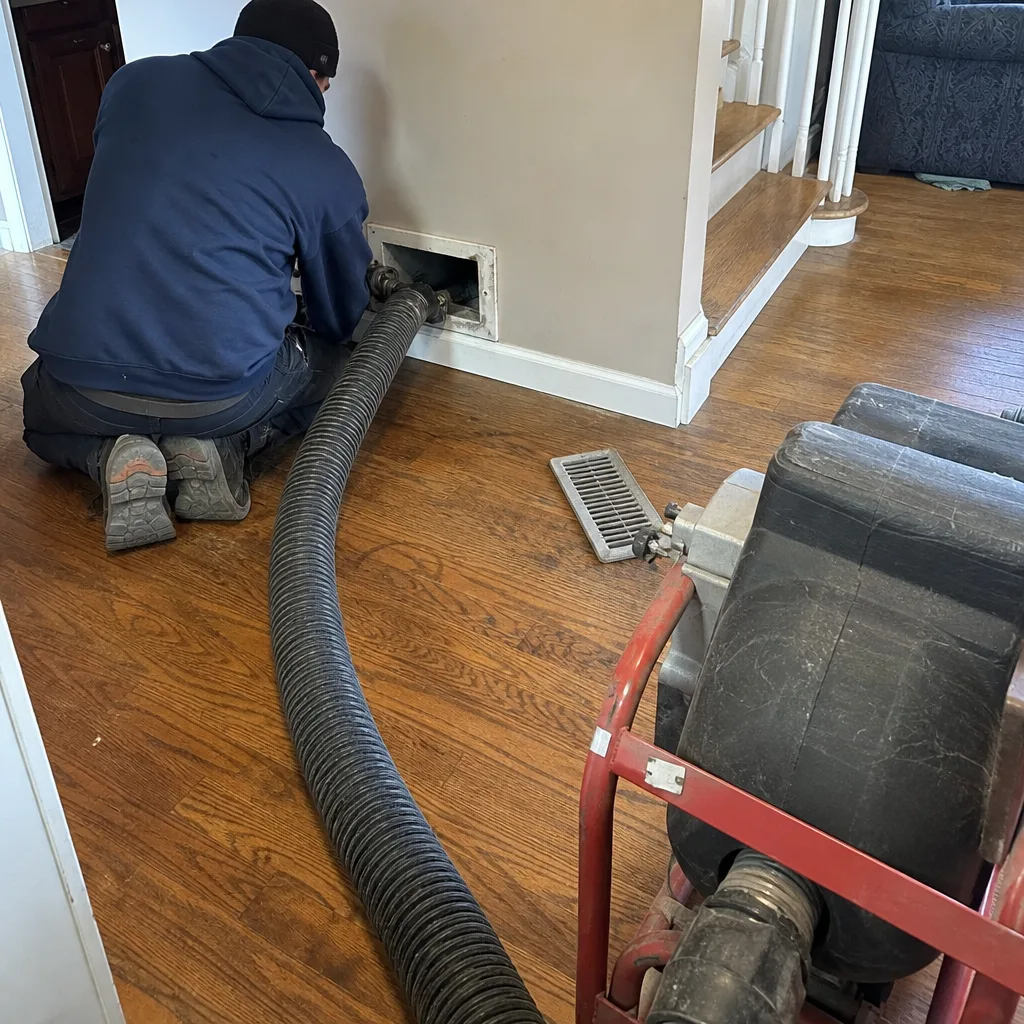 Before
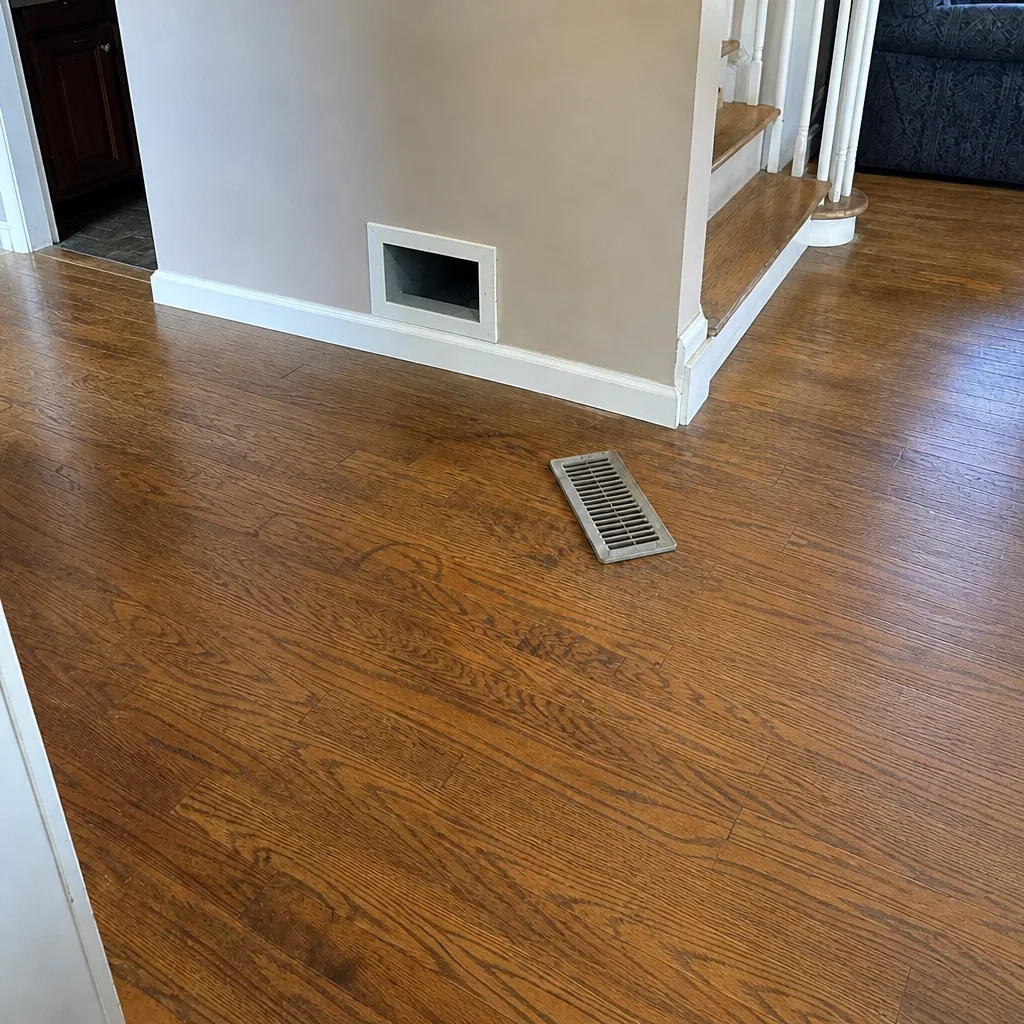 After
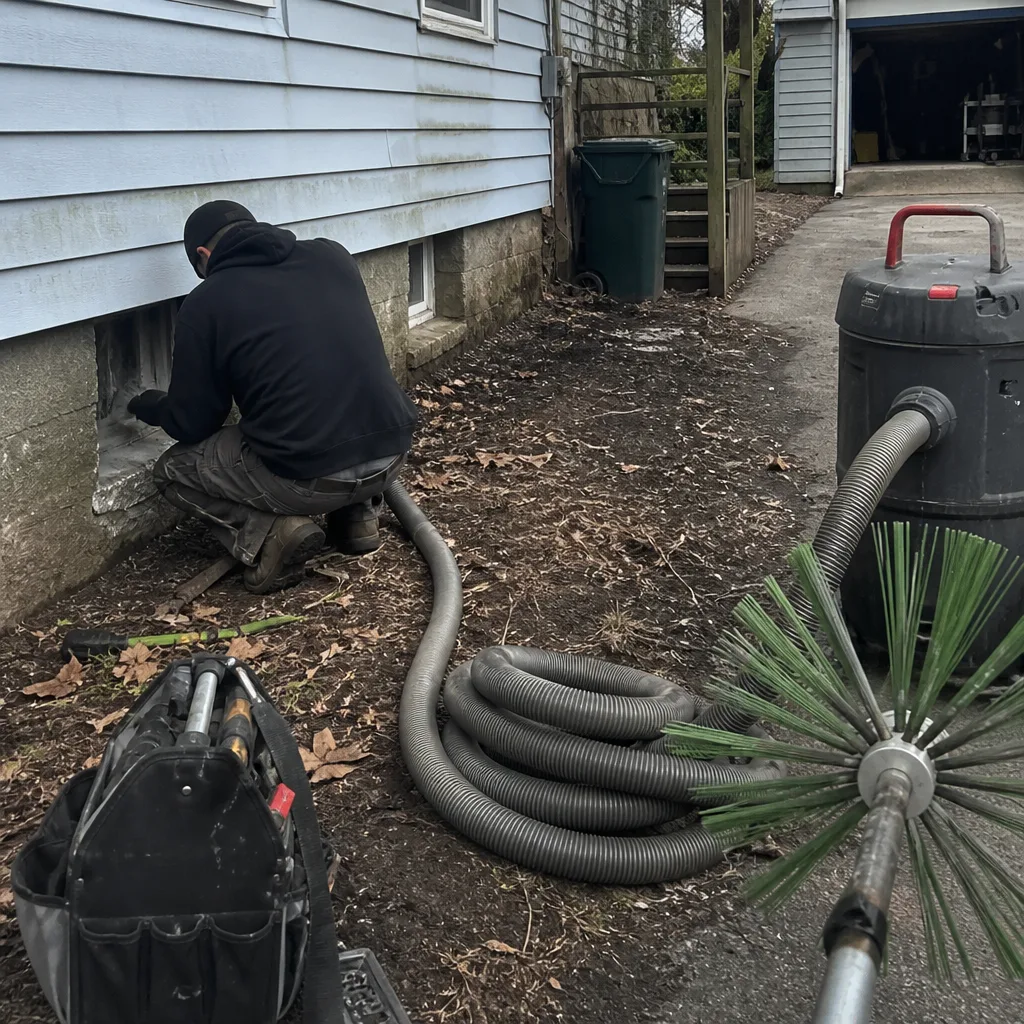 Before
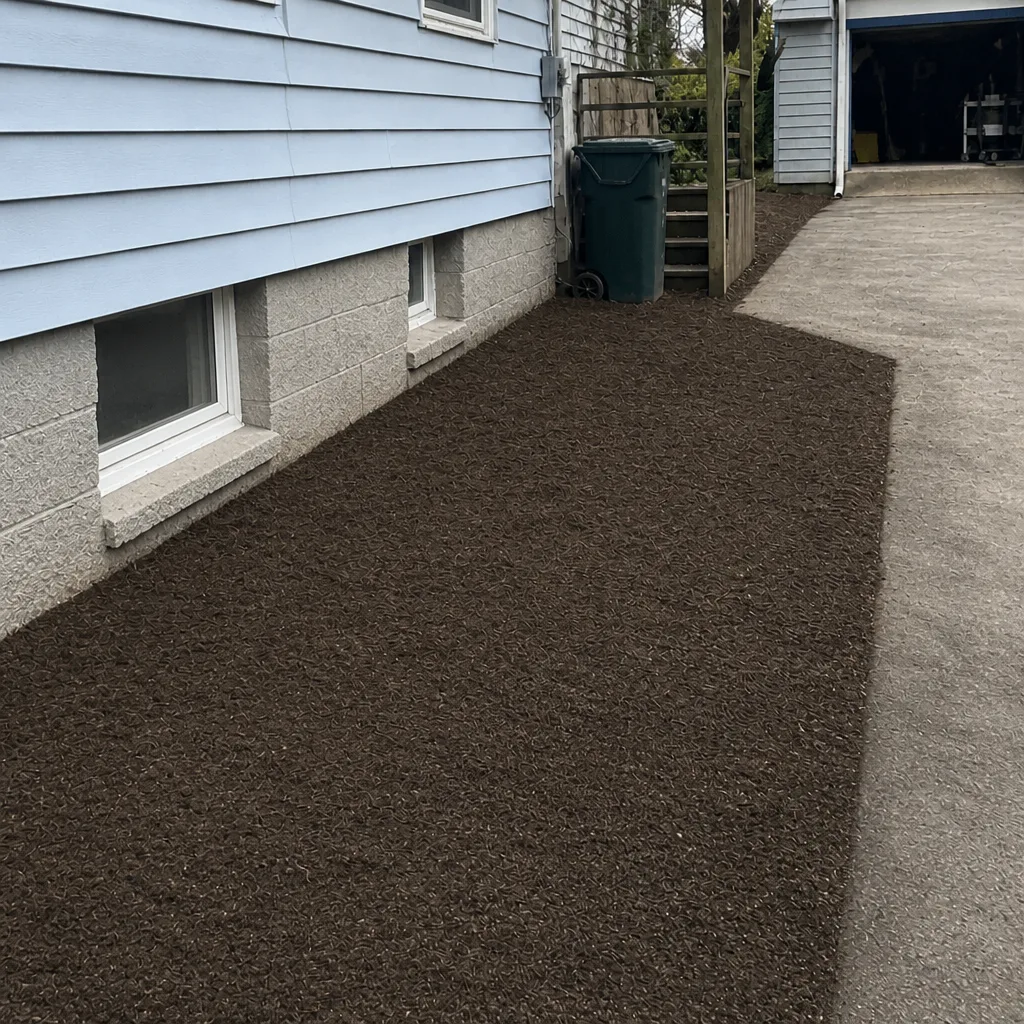 After
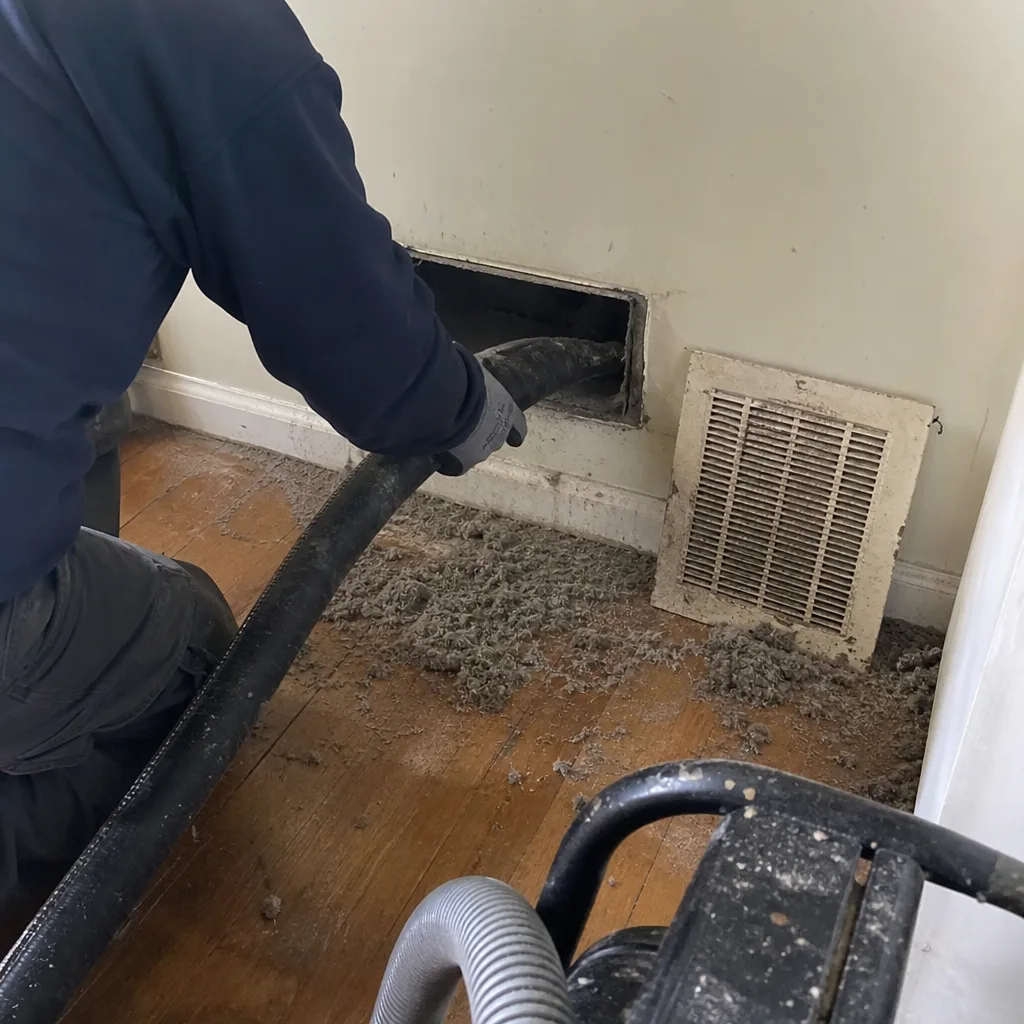 Before
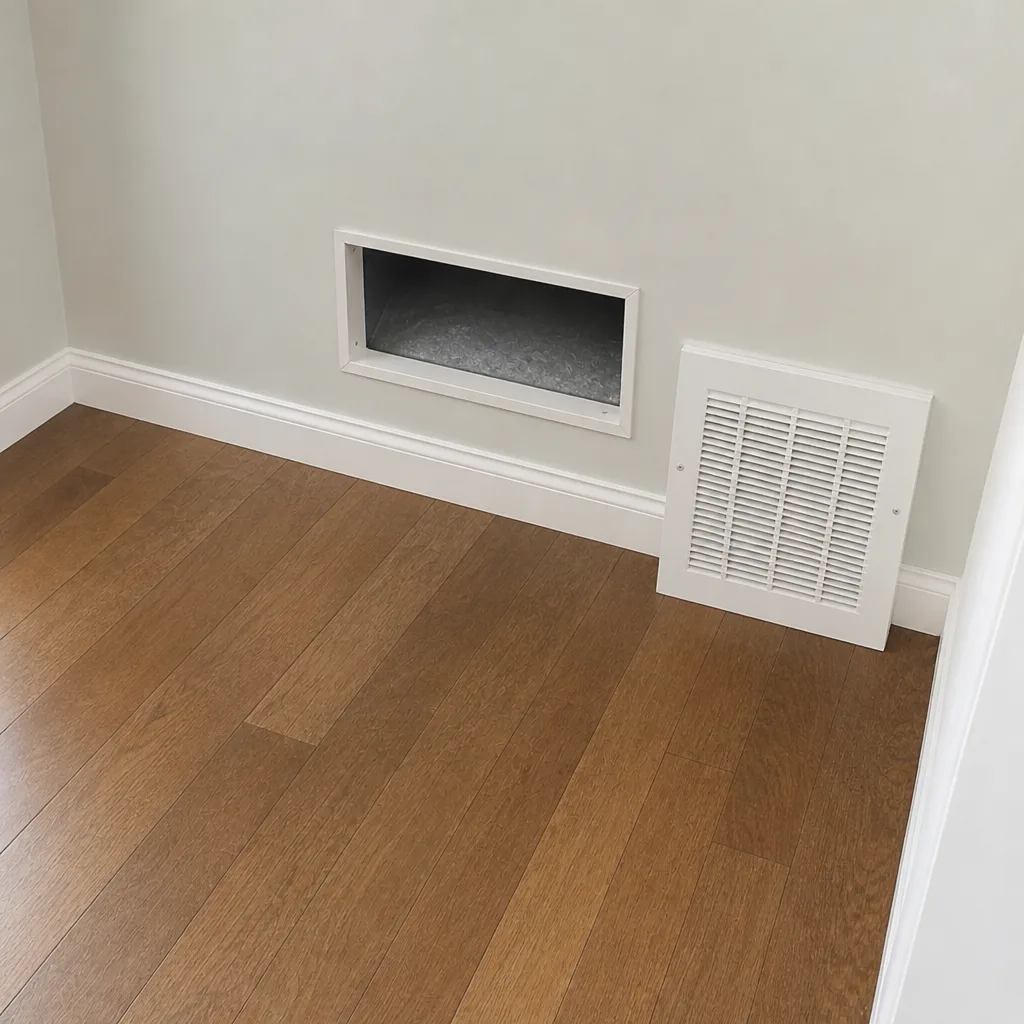 After
When to Call a Professional
Call a professional when the flashlight test shows dusty branches after a recent cleaning, when airflow has dropped in one or more zones and you’ve already replaced the filter, when you see a crushed or disconnected duct run, or when a musty smell persists past 48 hours. Also call when you’re planning a renovation that will generate significant dust, so the cleaning can be scheduled for after the work, not before. And call when you’re buying a home and there’s no record of a previous duct cleaning; a flashlight inspection is cheap knowledge to have before you close.
What we won’t do is tell you it’s an emergency. Duct cleaning is scheduled work, and the value comes from the thoroughness of the job, not the speed of arrival. Duct Cleaning Brockton offers free estimates in Brockton, and we’ll walk you through the diagnosis on the phone before you schedule anything. Call (844) 834-2553. We answer 24/7. Fast dispatch from 7am to 7pm, Sunday through Friday.
The estimate is free and the price is set per job by the written estimate. Our technicians have up to 8 years of experience. We’re licensed, insured, and we work with leading IAQ brands including Honeywell, Aprilaire, and Abatement Technologies equipment.
Frequently Asked Questions
Air duct cleaning in Brockton typically runs in the range of a few hundred dollars per system for a whole-system clean, and moves up for larger homes, multi-zone systems, or jobs that include repair. The written estimate you receive after the inspection sets the final price, and the estimate is free. We don’t quote per-vent prices, because the job is one flat price per system agreed before work starts. That’s the answer to the bait-and-switch problem in this trade: the price you agree to is the price you pay. Call (844) 834-2553 for an exact quote.
Ask for before-and-after photos of your own ducts, and inspect them yourself with a flashlight at three registers. A real cleaning leaves visible brush marks in the branch runs and a clean return plenum. If a company won’t provide photos or resists your inspection, that’s your answer. Our technicians document the before and after on every job so you have a record you can compare against. Call (844) 834-2553 to schedule an inspection and estimate.
Cheap quotes usually reflect a smaller scope: branches only, no trunk, no return side, and no HEPA capture. The equipment difference is real – a shop vacuum can’t hold negative pressure on a trunk line, and without negative pressure, debris gets loosened and left airborne. A HEPA vacuum paired with negative-air filtration is a different category of job entirely. If a quote seems low, ask what’s included before you commit. Call (844) 834-2553 for a free estimate on the actual scope.
Most Brockton homes go years between cleanings if the system is well-sealed and the filter is changed on schedule. Homes with pets, recent renovations, or a person in the household with asthma or allergies tend to need cleaning closer together. Annual cleaning isn’t a standard anyone should enforce. If a company insists on annual cleaning, ask what they saw in your ducts to warrant it. Call (844) 834-2553 for an honest assessment – the estimate is free.
No. Dust returning within two weeks usually means the trunk lines or the return side was skipped during the cleaning. A properly cleaned system in a normal home doesn’t go back to dusty in two weeks. The flashlight test at three registers tells you which side was missed. Call (844) 834-2553 and we’ll walk you through what to look for or schedule an inspection.
Yes, if the problem is a physical issue we can diagnose – a crushed flex duct, a disconnected branch, a leaky joint, or a missed blockage. Cleaning alone won’t fix those; repair will. We offer air duct repair as a separate service line for exactly this reason. Call (844) 834-2553. We answer 24/7. Fast dispatch from 7am to 7pm, Sunday through Friday.
The Bottom Line
Most duct problems after a cleaning point to an incomplete job, not a dirty home. The flashlight test at three registers tells you in ten minutes whether your trunk lines and return side were cleaned or skipped. A musty smell that clears within a day is normal debris odor; one that persists past 48 hours is a moisture and mold conversation, not a cleaning one. Weak airflow after a cleaning is usually a crushed flex duct or a clogged coil, which repair handles and cleaning doesn’t. A second cleaning is warranted when the first one clearly missed the trunk or return, or when years have passed and the flashlight shows visible buildup. HEPA-contained cleaning with negative-air filtration and proper trunk access is the standard to ask for. Duct Cleaning Brockton handles cleaning, dryer vent, and repair as one focused service, and we’re happy to walk you through a diagnosis before you book. Call (844) 834-2553 for a free estimate.
Written by the team at Duct Cleaning Brockton.