
Last updated November 16, 2026
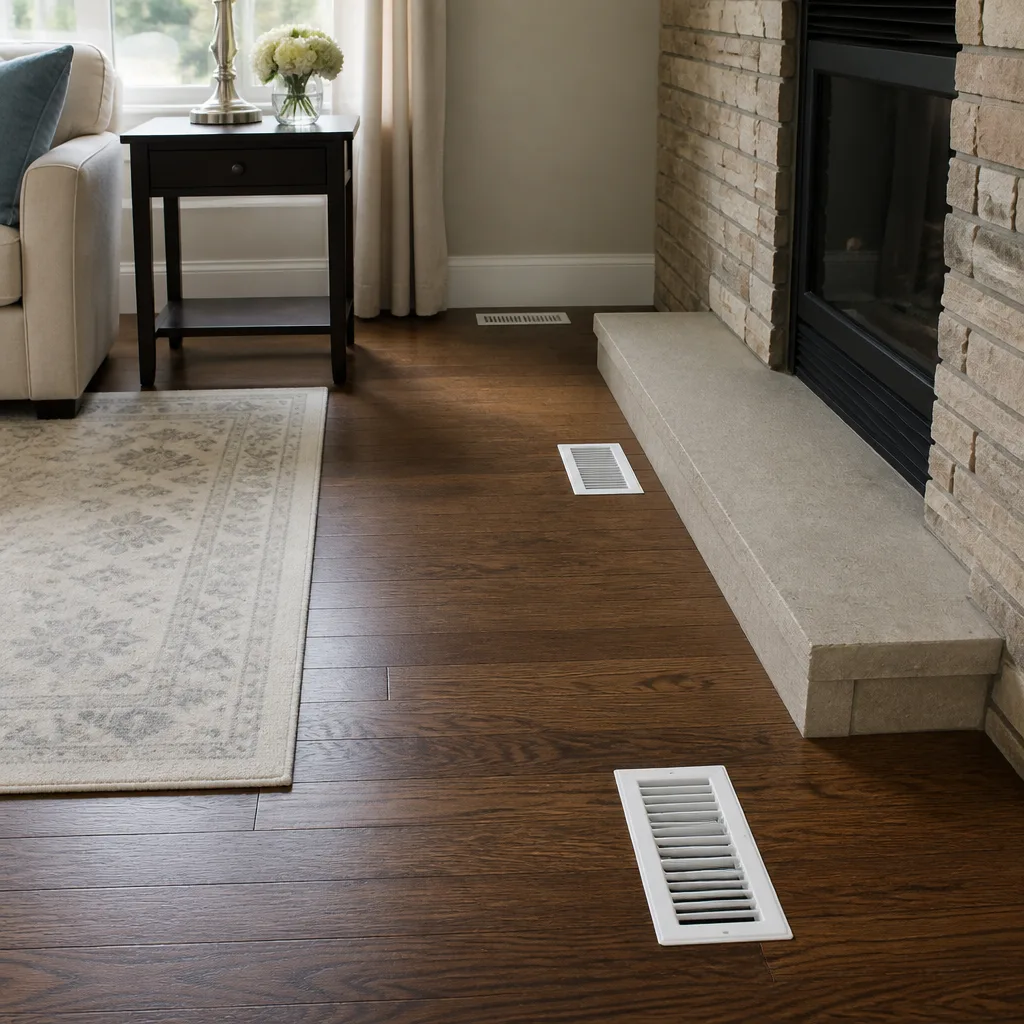 Whole-home duct cleaning
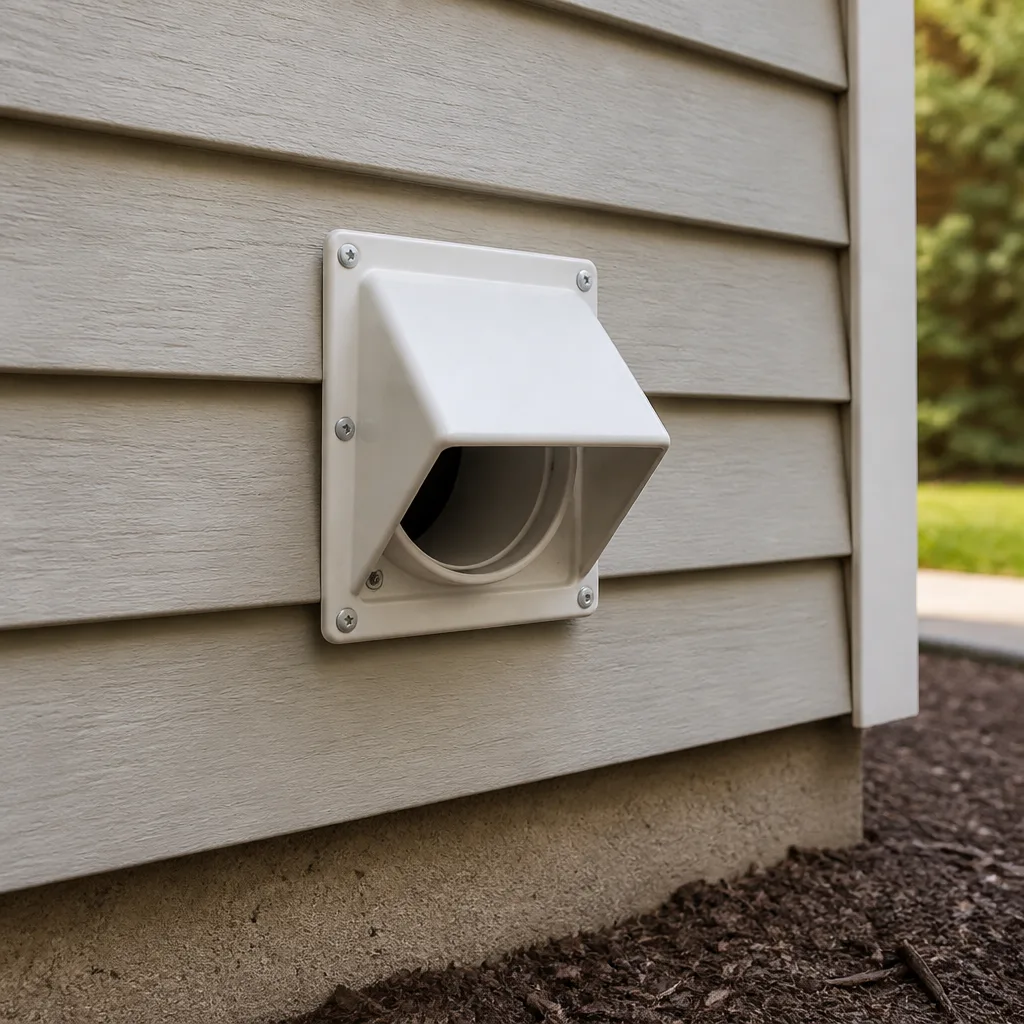 Dryer vent cleaning
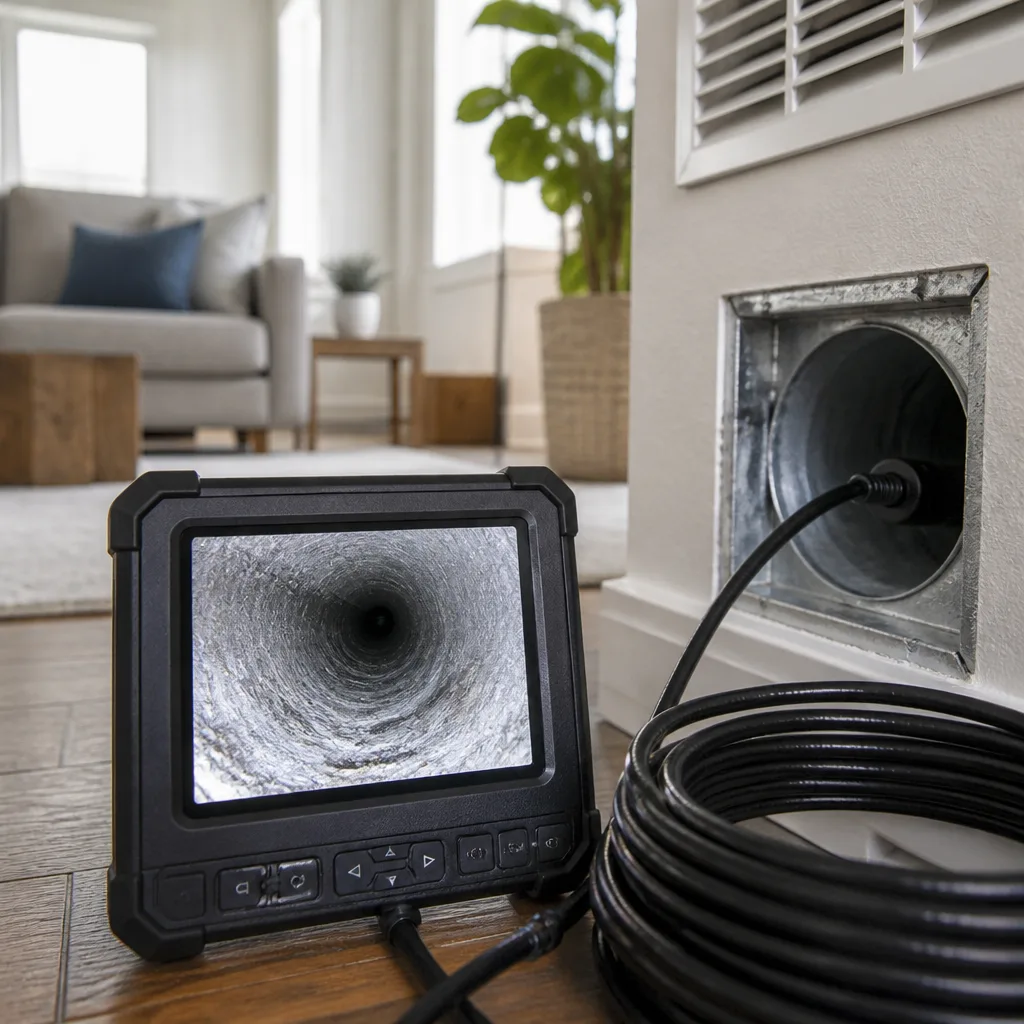 Camera inspection
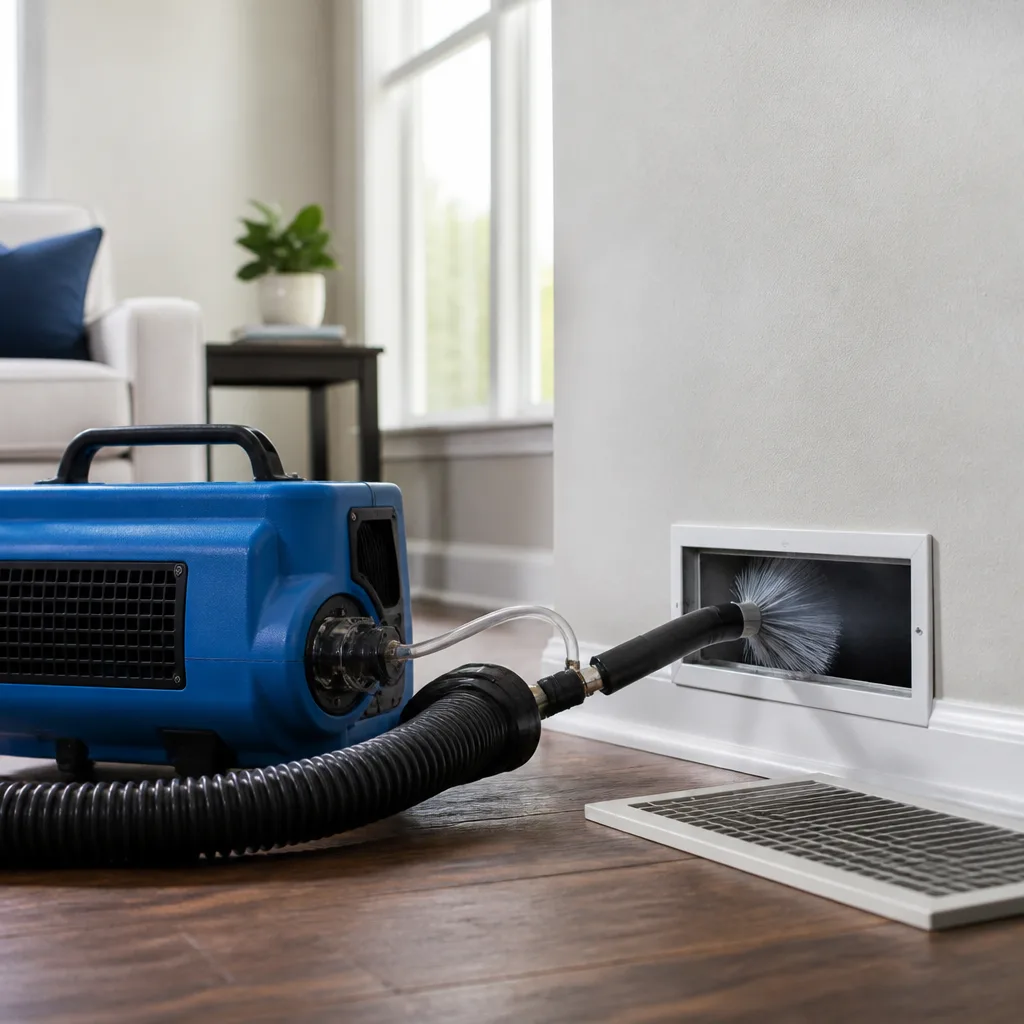 Sanitizing & deodorizing
Whole-system duct and dryer vent check with before-and-after photos - you see exactly what came out of your vents
That "$99 whole-house special" is a bait ad - the real number appears once they are in your hallway, or the "clean" is a shop-vac at the register. We photograph the inside of your ducts before and after instead.
The Complete Guide to Air Duct Cleaning in Brockton
Two operators can call themselves duct cleaners and show up with equipment that isn’t in the same category. A shop vac pulls a few hundred cubic feet per minute at the hose and pushes much of what it loosens back into the room. A purpose-built negative air system pulls thousands and holds the debris in a HEPA filter while it works. Both look like duct cleaning on the invoice. Only one actually cleans the system. If you’ve ever paid for a cheap cleaning and noticed more dust a week later, the equipment is usually the reason. This guide explains what professional-grade duct cleaning in Brockton actually involves, how the three equipment tiers compare, why older Brockton homes create specific challenges, and how to vet a contractor before anyone knocks on your door.
Quick Answer
Professional air duct cleaning in Brockton combines high-volume negative air pressure with rotary-brush agitation to remove accumulated dust, debris, and microbial growth from the entire duct system, not just the visible registers. It matters most in older homes where flex duct retrofits and shared wall cavities trap debris that consumer or mid-grade portable equipment can’t remove. The job is done right when you receive before-and-after photos and video scope footage of the interior of your ducts, not just a verbal “looks good.”
Styles & brands we work with
- Whole-home duct cleaning
- Dryer vent cleaning
- Camera inspection
- Sanitizing & deodorizing
Table of Contents
- Why Equipment Determines Whether Duct Cleaning Works
- The Three Equipment Tiers: What Each Actually Removes
- Brockton’s Older Housing Stock and Its Specific Duct Challenges
- Why Negative Air Pressure Containment Matters in Tight Floor Plans
- What a Legitimate Post-Cleaning Inspection Looks Like
- How to Vet a Contractor Against NADCA ACR Standards
- When Cleaning Isn’t Enough: Air Duct Repair
- IAQ Beyond Cleaning: Filtration Upgrades That Make a Difference
Why Equipment Determines Whether Duct Cleaning Works
Duct cleaning is fundamentally a containment and removal job. The dust sitting inside your ducts is adhered to the walls, settled at the bottom of horizontal runs, and packed into the joints where sections meet. To remove it, you need to break it loose mechanically and then capture it before it settles back down or blows into your living space. Every step of that process depends on the tools.
The math is unglamorous. A consumer shop vac generates roughly 150 cubic feet per minute (CFM) of suction at the hose. A portable mid-grade duct cleaning unit can reach 400 to 800 CFM. A truck-mounted negative air machine from a professional-grade system like Nikro generates 2,000+ CFM and holds it through a HEPA filter rated for remediation work. That’s not a marginal difference. It’s the difference between sweeping a floor and vacuuming it.
Rotary-brush systems like Rotobrush exist because suction alone doesn’t remove adhered debris. The brush agitates the duct wall while the vacuum captures what it loosens. A cleaning with suction only, no agitation, misses the compacted layer that sits against the metal and flex liner. We’ve seen ducts that looked clean at the register and still had a visible dust mat on a video scope two feet in.
As a duct and air quality specialist, Duct Cleaning Brockton uses Rotobrush rotary-brush equipment paired with Nikro HEPA vacuum systems and Abatement Technologies negative-air filtration. That combination is the professional tier. It’s the same class of equipment remediation contractors and commercial facilities use, not repurposed shop equipment with a duct cleaning label on it.
The Three Equipment Tiers: What Each Actually Removes
It helps to think of duct cleaning equipment in three tiers. Each tier produces a different result, and the pricing reflects it. Understanding the tiers is the fastest way to read a quote before you book.
Tier 1: Consumer and Shop Vac Equipment
- Suction: Roughly 100 to 200 CFM at the hose.
- Filtration: Often a basic cartridge, sometimes nothing rated for fine particulate.
- What it removes: Loose surface dust near the registers only.
- What it misses: Adhered debris, packed joints, and anything on the far side of a bend.
- Side effect: Because suction is low and the exhaust is unfiltered, much of what’s loosened can redistribute back into the room.
Tier 2: Portable Mid-Grade Units
- Suction: 400 to 800 CFM depending on the unit.
- Filtration: HEPA filtration is possible on some models, but airflow drops sharply when the filter loads.
- What it removes: Loose dust and light debris in accessible runs.
- What it misses: Compacted debris, and full-system coverage on larger homes. A portable unit runs out of suction before it reaches the end of a long trunk line.
Tier 3: Professional Truck-Mounted Negative Air Systems
- Suction: 2,000+ CFM.
- Filtration: Multi-stage HEPA-rated filtration built for remediation-grade particulate.
- What it removes: Loosened debris from the full system, root to register, at a volume that keeps the debris moving through the vacuum rather than settling.
- Additional capability: Paired with rotary-brush agitation (Rotobrush), a professional system removes adhered dust from the duct wall, not just surface dust.
The takeaway: if a quote sounds dramatically cheaper than others, ask what tier of equipment will be used. A portable unit doing a full-house job is not the same service as a truck-mounted system with a rotary brush. Both get called duct cleaning. Only one is the tier you want in a system that runs the length of a Brockton cape or colonial.
Brockton’s Older Housing Stock and Its Specific Duct Challenges
Brockton has a lot of pre-1980 housing, which means a lot of colonial and cape-style homes built before central air was standard. Many of those homes were later retrofitted with flex duct when a furnace or air handler was replaced or when central air was added. That retrofit history creates specific challenges a generic cleaning visit doesn’t address.
Flex Duct Retrofit Problems
Flex duct has a corrugated interior liner. The ridges trap dust in a way smooth sheet metal doesn’t, and the liner itself can sag or kink where it runs through tight spaces between joists. A kinked run reduces airflow and creates a low spot where debris collects. If the installer took a shortcut through the attic or a knee-wall cavity, that run may also have a loose connection that leaks air into an unconditioned space. A cleaning without an inspection won’t catch that. A brush run without a camera check won’t confirm it.
Shared Wall Cavities and Tight Floor Plans
In colonial and cape-style layouts, return and supply runs often share the same bay or wall cavity. Air handler closets are small, and duct runs are packed into spaces that weren’t designed for the equipment now in them. When dust is dislodged in one of those runs and the cleaning isn’t contained under negative pressure, it can migrate to adjacent rooms or deposit into a shared cavity. That’s precisely the scenario where proper containment matters more than the brush.
What This Means for Brockton Homeowners
- Ask whether the contractor will inspect your flex runs for kinks or disconnects, not just clean them.
- Ask whether the equipment is sized to handle a full system in a two-story colonial, not just a single-family ranch.
- Ask for before-and-after interior footage, especially of horizontal runs where debris settles.
- If you notice uneven airflow between rooms, that’s often a duct issue, not a furnace issue. That points toward air duct cleaning combined with a repair assessment.
Why Negative Air Pressure Containment Matters in Tight Floor Plans
Negative air pressure means the cleaning system pulls air toward itself so debris travels into the vacuum rather than out into your home. In tight colonial and cape floor plans, where duct runs share wall cavities and closets, that containment is what separates a clean job from a dust event.
Picture a horizontal return running through a second-floor joist bay shared with a bedroom wall. If the cleaning uses a shop vac at the register with no containment, the exhaust displaces air and dust into the cavity. Once dust is in a wall cavity, it’s there. Nobody cleans that in a normal duct cleaning job. Professional negative air systems from Abatement Technologies reverse that flow: they pull air from the register back to a HEPA containment unit while the rotary brush works the duct wall. Debris goes into the filter, not into the room.
That’s the mechanism. Rotobrush agitates. Nikro HEPA vacuums capture. Abatement Technologies negative-air machines hold containment at the register. Put together, they keep loosened debris inside the system until it’s collected. That’s what “HEPA-contained cleaning” means in practice.
In our experience running duct cleaning across Brockton homes, the biggest difference between a good job and a bad one is rarely the brush. It’s the containment and the airflow. A tight cape with a small mechanical closet and a short trunk line is unforgiving. If the machine can’t hold containment, the homeowner sees the cost in a fine dust film on furniture within a day or two.
What a Legitimate Post-Cleaning Inspection Looks Like
A legitimate post-cleaning inspection includes video scope footage of the interior of your ducts, shown to you, not summarized as “looks good.” That’s the verification step. Without it, you’re accepting the technician’s word on a job you can’t see the inside of.
What the Inspection Should Include
- Baseline photos or video. Taken at least at the main trunk line and one or two of the longest runs, before cleaning starts. A crew that photographs and records the system before touching it has nothing to hide.
- Video scope footage of the interior after cleaning. A scope small enough to fit through the register, showing the duct walls inside. Compare it against the baseline. Debris should be visibly gone, and the liner or metal wall should be visible.
- Before-and-after photos of the same runs. Not stock photos, not photos of somebody else’s ducts. Your ducts, your address, same run, before and after.
- A visual check of each register and the air handler. Registers should be removed, cleaned, and reinstalled. The air handler cabinet interior should be assessed, not just the ducts feeding it.
- A written summary of what was cleaned. Which runs, which registers, any limitations found (a disconnected flex run, a crushed section, a kinked return).
What it shouldn’t include: the technician shining a light into a register from outside, saying the ducts “look clean,” and packing up. That’s not an inspection. It’s a guess. Any contractor who won’t provide video scope footage of the interior after cleaning either doesn’t carry a scope or doesn’t want you to see the result. Either answer should send you to the next contractor on your list.
How to Vet a Contractor Against NADCA ACR Standards
NADCA ACR (Assessment, Cleaning, and Restoration) standards are the industry’s benchmark for what a legitimate duct cleaning must include. You don’t need to memorize the document to use it. You do need to know what questions to ask, and what answers should sound like.
Before you book any Brockton duct cleaning, cross-reference the contractor’s equipment and process against these points:
- Ask what equipment will be used. A professional should be able to name the brands and the tier. If the answer is “a duct cleaning machine,” that’s not an answer. If it’s a shop vac, hang up.
- Ask whether the system will be cleaned under negative pressure. The answer should be yes, with HEPA filtration and a containment plan. If containment is unclear, the debris is going somewhere. Ask where.
- Ask whether agitation will be mechanical. Rotary brushes, compressed air whips, or hand brushes per run. Suction alone doesn’t clean the duct wall.
- Ask how the entire system will be accessed. That means every register, the air handler, and the trunk line. Not just the rooms you can see from the hallway.
- Ask for before-and-after interior footage. If it’s not offered, request it. If it can’t be provided, that tells you what the job includes.
- Ask how the estimate is structured. A legitimate quote is priced per system or per job, agreed before work starts, not per vent with a low teaser price that grows once the technician is on-site. A written estimate should set the final price.
- Ask whether the contractor will flag repair needs. A thorough inspection during the cleaning may reveal a disconnected flex run, a crushed section, or a leaking joint. Ask whether the contractor can fix those, or whether you’ll be told “not our scope.”
The pattern here is straightforward: a contractor who welcomes these questions answers them with specifics. A contractor who deflects them is telling you something. You can start by looking at Duct Cleaning Brockton and comparing what’s described there against the list above.
When Cleaning Isn’t Enough: Air Duct Repair
Sometimes the ducts don’t need cleaning. They need repair. A crushed flex run, a disconnected joint in the attic, or a sagging section under a floor can leak so much air that cleaning the rest of the system returns less than it should. This is where most duct cleaners stop and where a full-cycle specialist keeps going.
Signs your ducts may need repair, not just cleaning:
- One or more rooms that never get comfortable regardless of thermostat setting.
- Whistling or rushing air noise at a register that doesn’t match the room’s airflow.
- Visible dust streaks around register frames or along the ceiling.
- A sudden jump in energy bills with no other explanation.
- Dust smell or mustiness in one area of the house only.
When we find a disconnect or a crushed section during a cleaning, we flag it. Duct Cleaning Brockton offers Air Duct Repair as a standalone service, which means we can diagnose and fix what we find instead of handing you a cleaning report with a note that says “call someone else.” That’s the “we clean it, we repair it” distinction. It’s also the reason a tight three-service menu (cleaning, dryer vent, repair) makes sense for a specialist: the depth is the point.
If you’re also thinking about dryer vent safety, that’s a separate job with a separate set of failure points. Dryer vent cleaning removes lint accumulation from the exhaust run, and lint buildup in a dryer vent is a leading cause of residential house fires. The failure mode is different from duct cleaning: the risk is a blocked exhaust, not a dusty supply line. It’s worth handling both in the same visit if you’re scheduling dryer vent cleaning anyway.
IAQ Beyond Cleaning: Filtration Upgrades That Make a Difference
Cleaning resets the system. Filtration keeps it clean. Those are two different jobs, and a duct cleaning that stops at cleaning leaves the homeowner with a freshly cleaned system and the same original filter. That’s why we install and service IAQ equipment from Honeywell and Aprilaire, which are the two most common residential indoor air quality brands in Brockton homes.
What that looks like in practice:
- Media filters and media cabinets. Higher-MERV filtration installed at the air handler to capture fine particulate before it reaches the coil and the ducts.
- Whole-home air cleaners. Installed in-line with the HVAC system to reduce airborne particles between cleanings.
- Humidity control. Brockton’s humid summers push moisture into the duct system, and moisture plus dust equals the musty smell people call about. Managing indoor humidity reduces the conditions that let microbial growth take hold.
- Return-air filtration upgrades. A higher-efficiency filter at the return keeps more dust out of the system in the first place.
The connection is direct. Cleaning removes what’s there. Filtration determines how fast it comes back. A contractor who cleans but doesn’t offer filtration options is doing half the job. When you compare quotes, ask whether the contractor installs or services Honeywell or Aprilaire equipment. If not, ask what happens after the cleaning when the same original filter goes back in.
Common Mistakes to Avoid
- Booking on coupon price alone. A low coupon price often means a lower tier of equipment and per-vent pricing that balloons on-site. Ask what the total will be for your whole system, in writing, before anyone schedules.
- Assuming suction means cleaning. A shop vac or a portable unit with a brush attachment will remove surface dust. It will not remove adhered debris from a flex liner. Ask specifically about rotary-brush agitation.
- Skipping the video scope inspection. If you don’t see the interior of your ducts after cleaning, you’re trusting a verbal summary. Ask for before-and-after footage of your own ducts.
- Ignoring airflow symptoms. A room that’s always cold or hot in a Brockton colonial is often a duct problem, not a furnace tune-up problem. Treating it as the wrong problem wastes money.
- Letting the technician leave without addressing leaks. If a flex run is disconnected or a joint is leaking, cleaning the system and leaving the leak in place sends your conditioned air into the attic or crawlspace.
- Cleaning without a filtration plan. Ducts come back dirty on the same timeline if the filter system doesn’t change. Ask about filtration upgrades at the same visit.
- Ignoring the dryer vent. It’s a different service with a different risk. Lint buildup is a leading cause of residential house fires, and it’s often discovered during a duct cleaning visit. Ask for it to be cleared.
See the difference
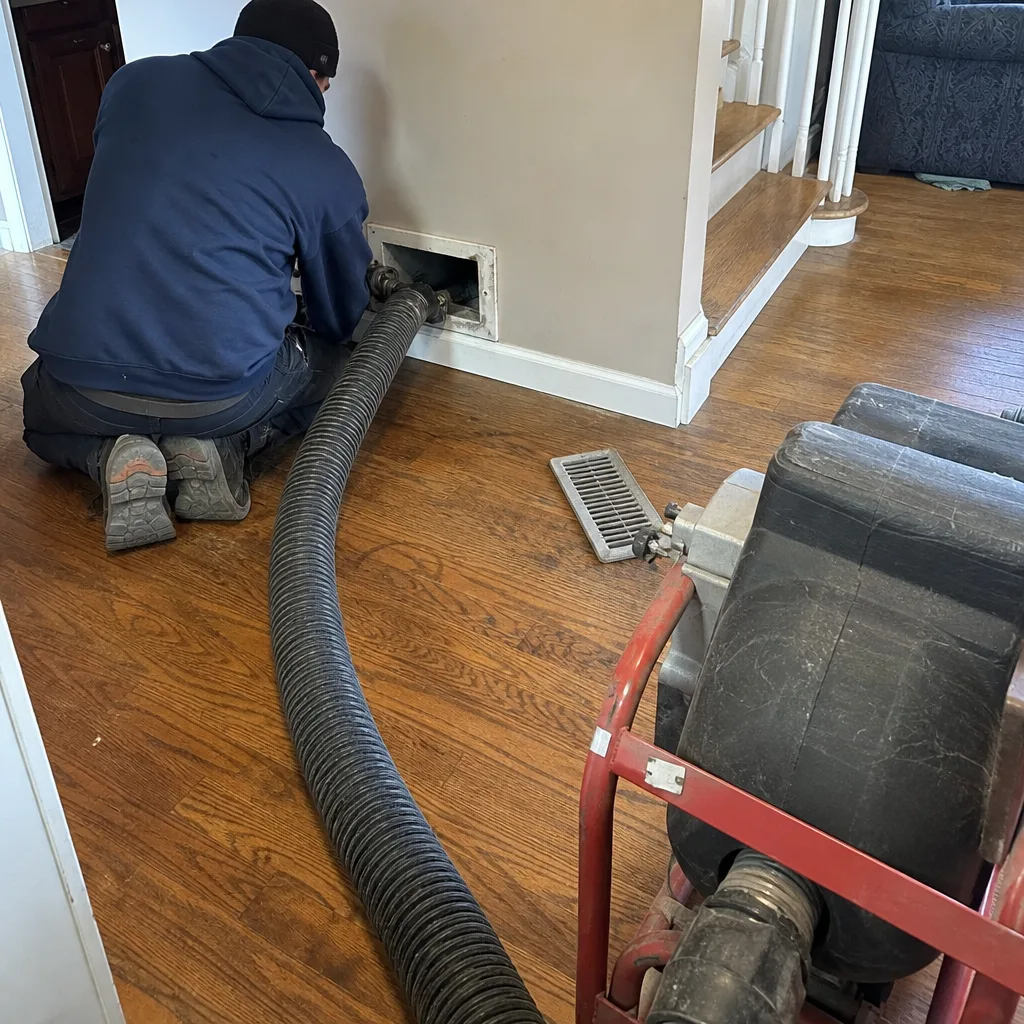 Before
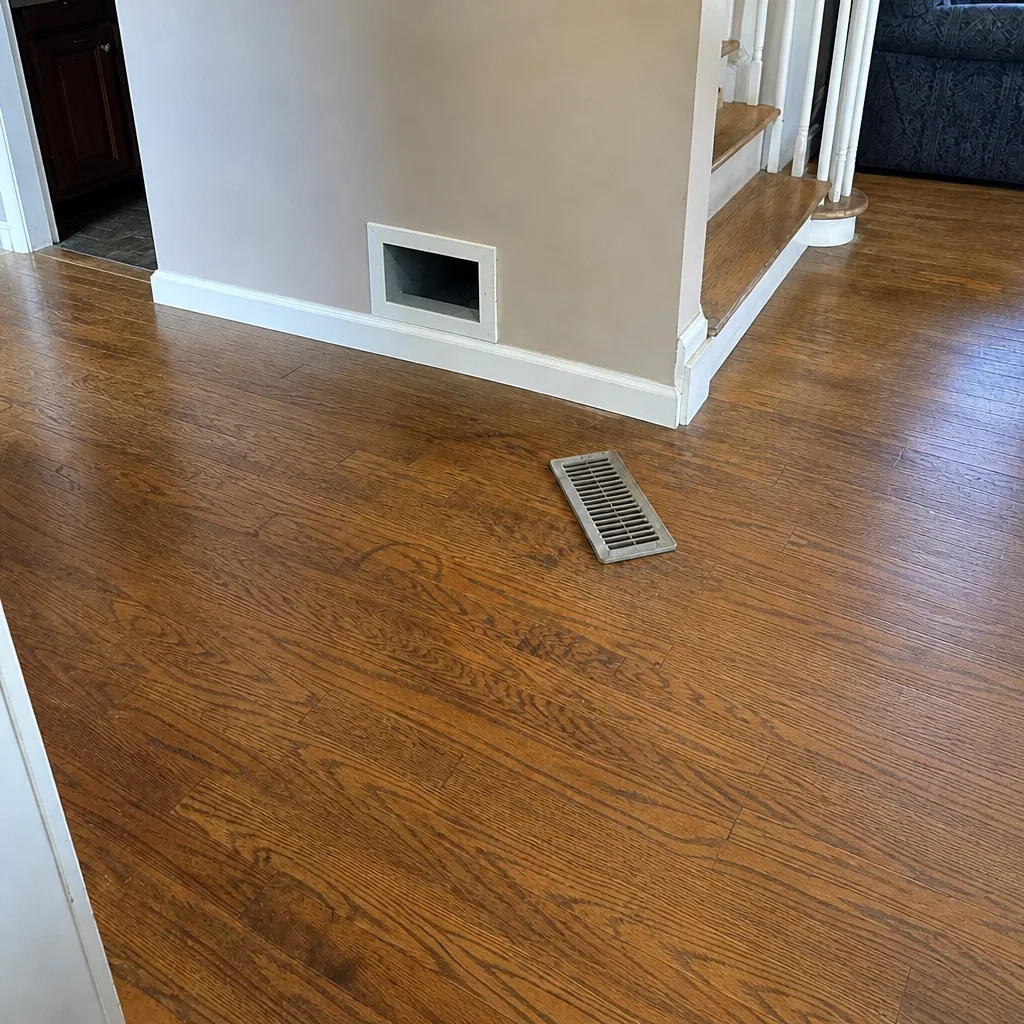 After
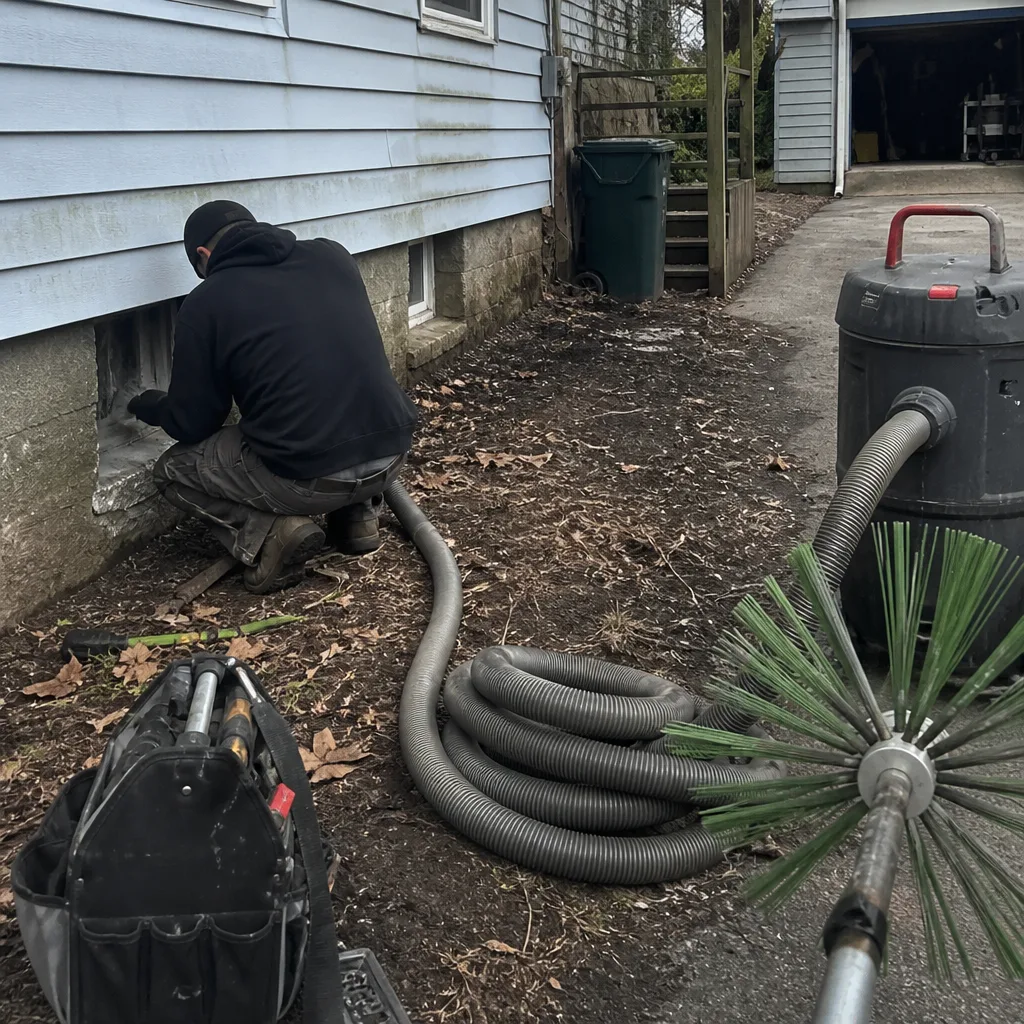 Before
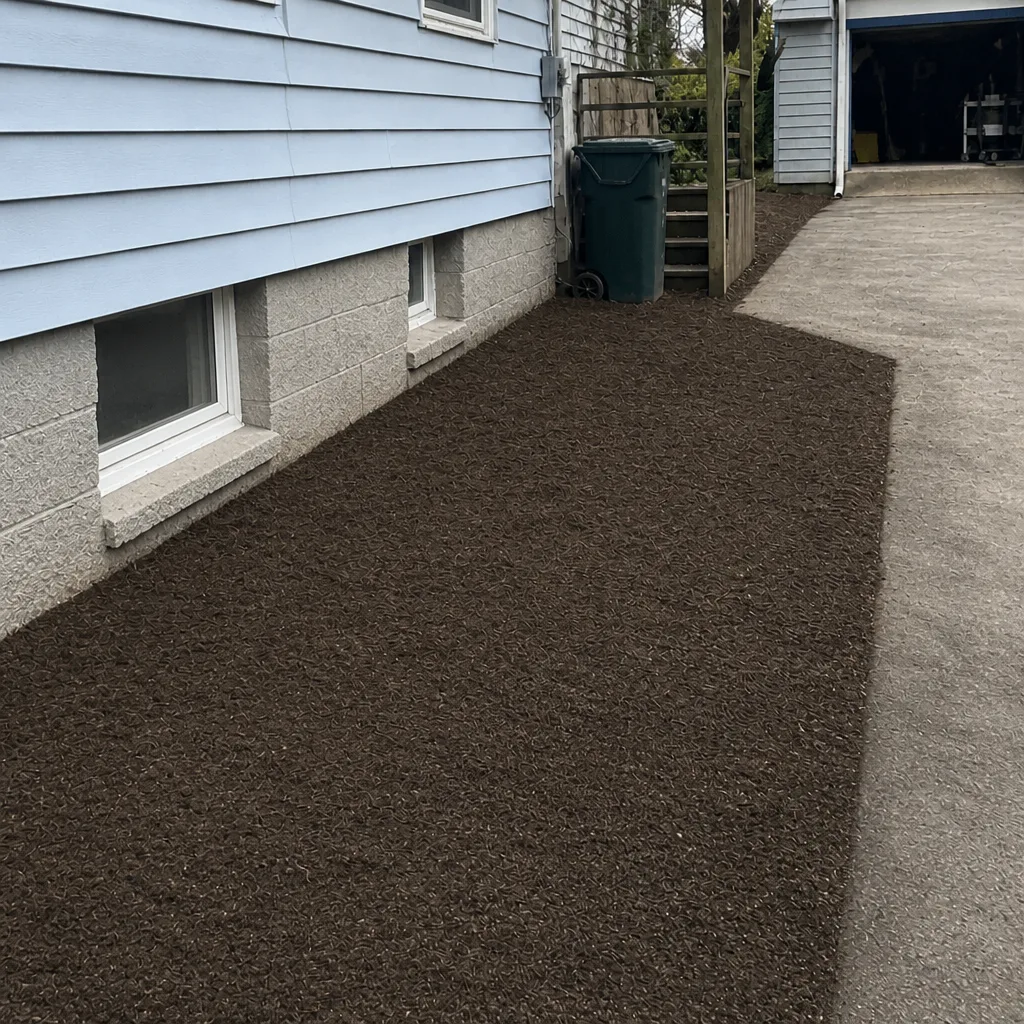 After
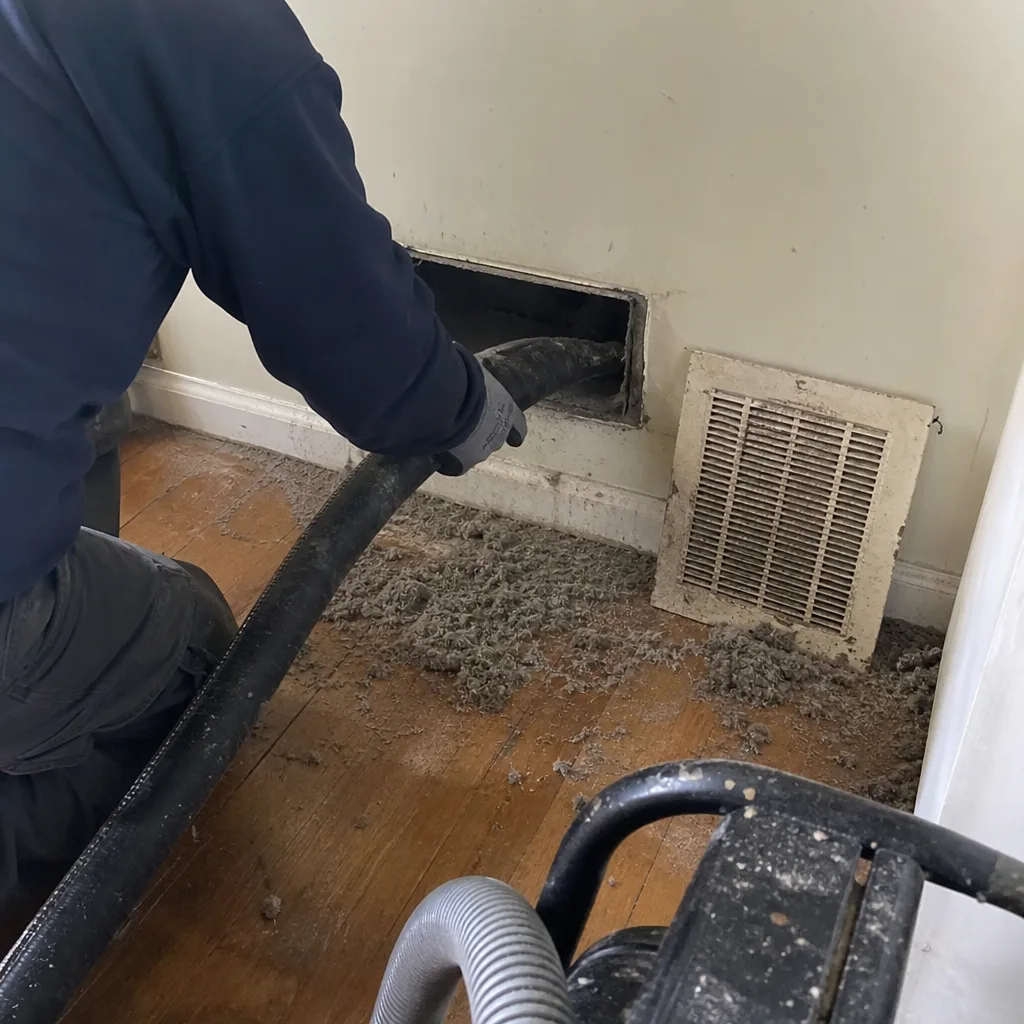 Before
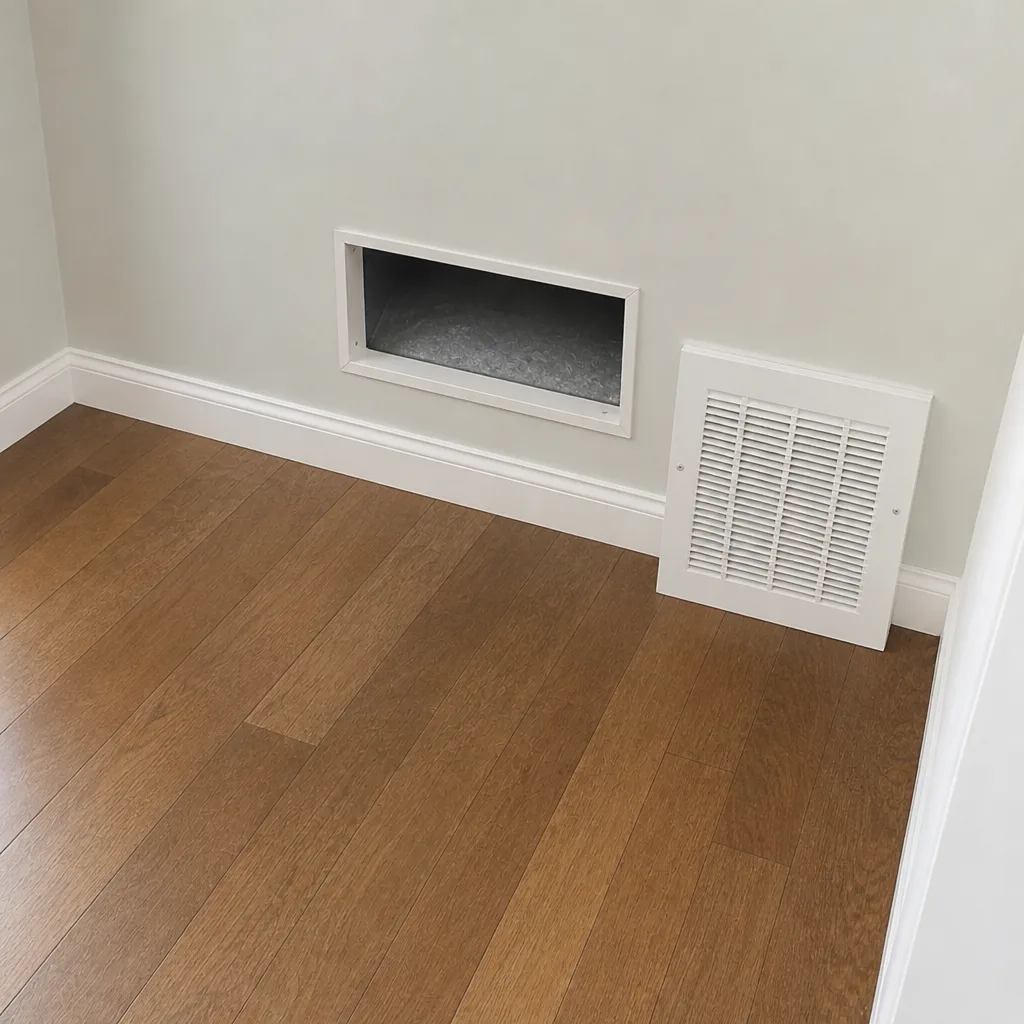 After
When to Call a Professional
Call a professional duct cleaner when you notice dust buildup on registers within days of cleaning them, musty or dusty odors when the system runs, unexplained allergy or respiratory symptoms that improve when you’re away from home, or uneven heating and cooling between rooms. Call when you’ve moved into a Brockton home and don’t know when the ducts were last cleaned. Call when your energy bills jump with no other explanation, or when you can see visible debris or pest activity inside a register. And call if your dryer is taking longer to dry clothes or feels hot to the touch, which points to a blocked vent run.
Duct Cleaning Brockton offers free estimates in Brockton. Call (844) 834-2553 to book a written estimate, ask what equipment will be used, and request before-and-after photos and video scope footage as part of the job. One flat price per system, agreed before work begins.
Frequently Asked Questions
Whole-system air duct cleaning in Brockton is priced per job by a written estimate, not per vent, and the estimate sets the final price. Pricing depends on the square footage of the home, the number of duct runs, the number of systems (some Brockton homes have more than one air handler), and whether a repair is needed. The one flat price per system is agreed before work starts, and the estimate is free. Call (844) 834-2553 for an exact quote for your home.
Cheaper quotes usually reflect a lower equipment tier, per-vent pricing that grows once the technician is on-site, or a shorter visit that cleans registers without cleaning the trunk line and horizontal runs. A shop vac setup costs almost nothing to run, and it cleans about as much. A professional truck-mounted negative air system with a rotary brush costs far more to operate, but it actually removes the adhered debris. Ask what equipment will be used before you compare prices. Call (844) 834-2553 for a real quote based on your system.
You know the work was done when you receive before-and-after photos of your own ducts and video scope footage of the interior after cleaning, showing the duct wall and lining cleared of debris. A technician shining a flashlight into a register and saying “looks good” is not verification. Ask for interior footage at booking. If a contractor can’t provide it, that’s your answer. Call (844) 834-2553 and ask for the before-and-after documentation as part of your estimate.
Most homes benefit from duct cleaning every three to five years, but the honest answer depends on your system. Homes with pets, recent renovations, or occupants with allergies often need it more often. Homes with newer, well-sealed ductwork and a good filtration system can go longer. If you’ve just moved in and don’t know the history, a first cleaning and inspection makes sense. Call (844) 834-2553 to talk through your situation and get a recommendation.
Yes. Dryer vent cleaning is one of our three core services, alongside air duct cleaning and air duct repair. Blocked dryer vent runs are a leading cause of residential house fires, and lint accumulation in the exhaust run is the main culprit. If it’s been a while since your dryer vent was cleared, schedule it with the same visit. Call (844) 834-2553 to book both.
Duct Cleaning Brockton serves the Brockton area, including neighborhoods across the city and surrounding communities. If you’re unsure whether your address is covered, call and we’ll confirm before scheduling. We answer 24/7. Fast dispatch from 7am to 7pm, Sunday through Friday. Call (844) 834-2553 for a free estimate.
The Bottom Line
The equipment tier is the deciding factor in whether duct cleaning actually works. Shop vacs loosen debris. Portable units move some of it. Professional negative air systems with rotary-brush agitation remove it and contain it. In Brockton’s older housing stock, with flex duct retrofits and tight colonial floor plans, that difference shows up in the air you breathe and the dust on your furniture within a week. Check the contractor’s equipment list before you book, ask for video scope footage after cleaning, and look for an operator who can also fix what they find. That combination is the standard worth paying for, and it’s what separates real duct cleaning from the coupon version. Our technicians have up to 8 years of experience with the equipment tiers described here.
Call (844) 834-2553 for a free estimate in Brockton. We answer 24/7, with fast dispatch from 7am to 7pm, Sunday through Friday. One flat price per system, agreed before work starts, with before-and-after photos of your own ducts as part of the job.
Written by the team at Duct Cleaning Brockton.