
Last updated November 16, 2026
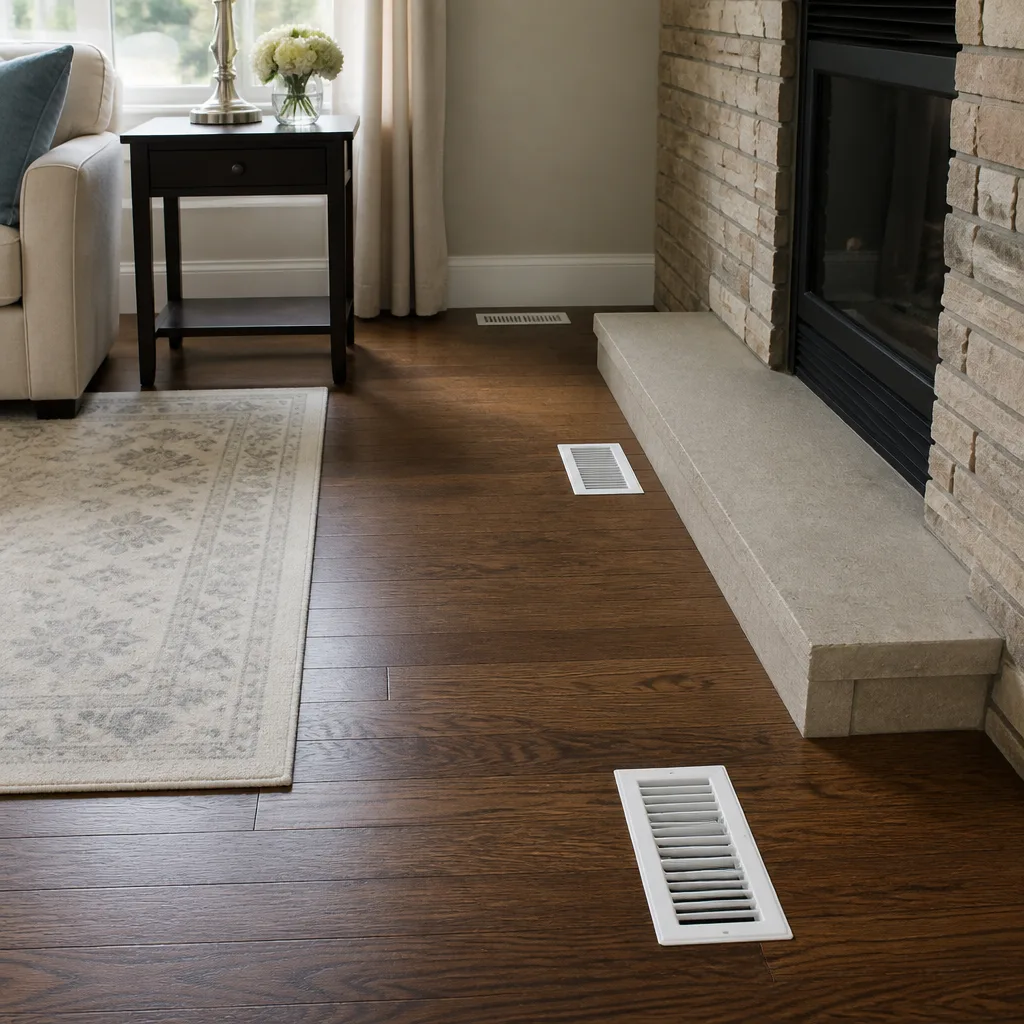 Whole-home duct cleaning
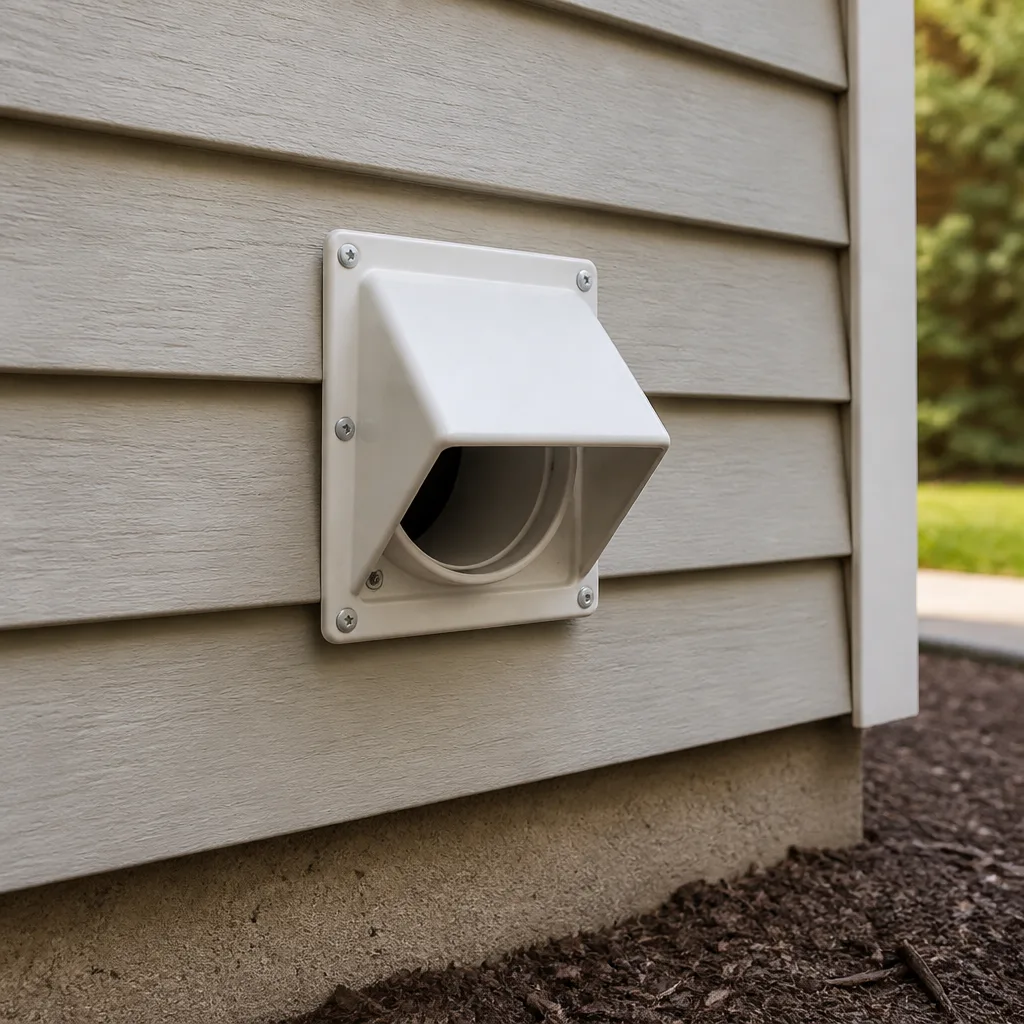 Dryer vent cleaning
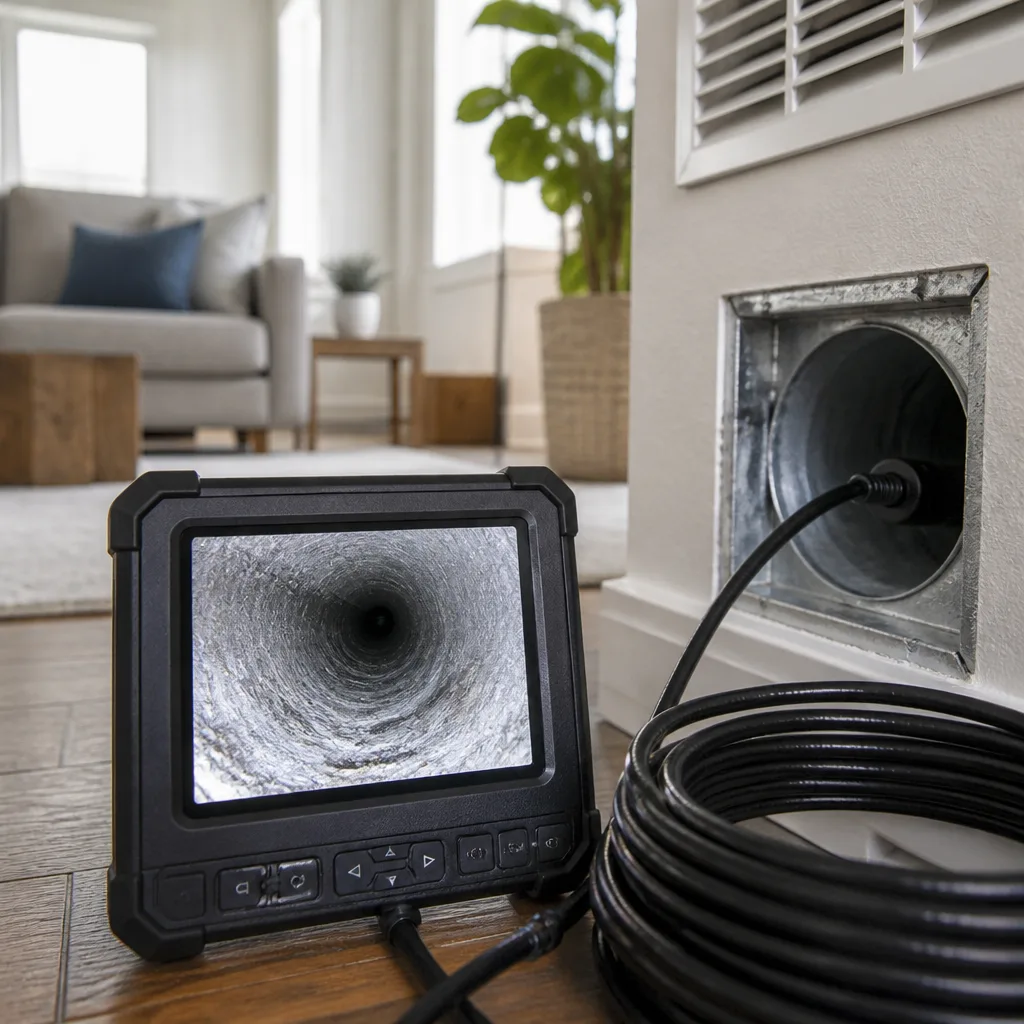 Camera inspection
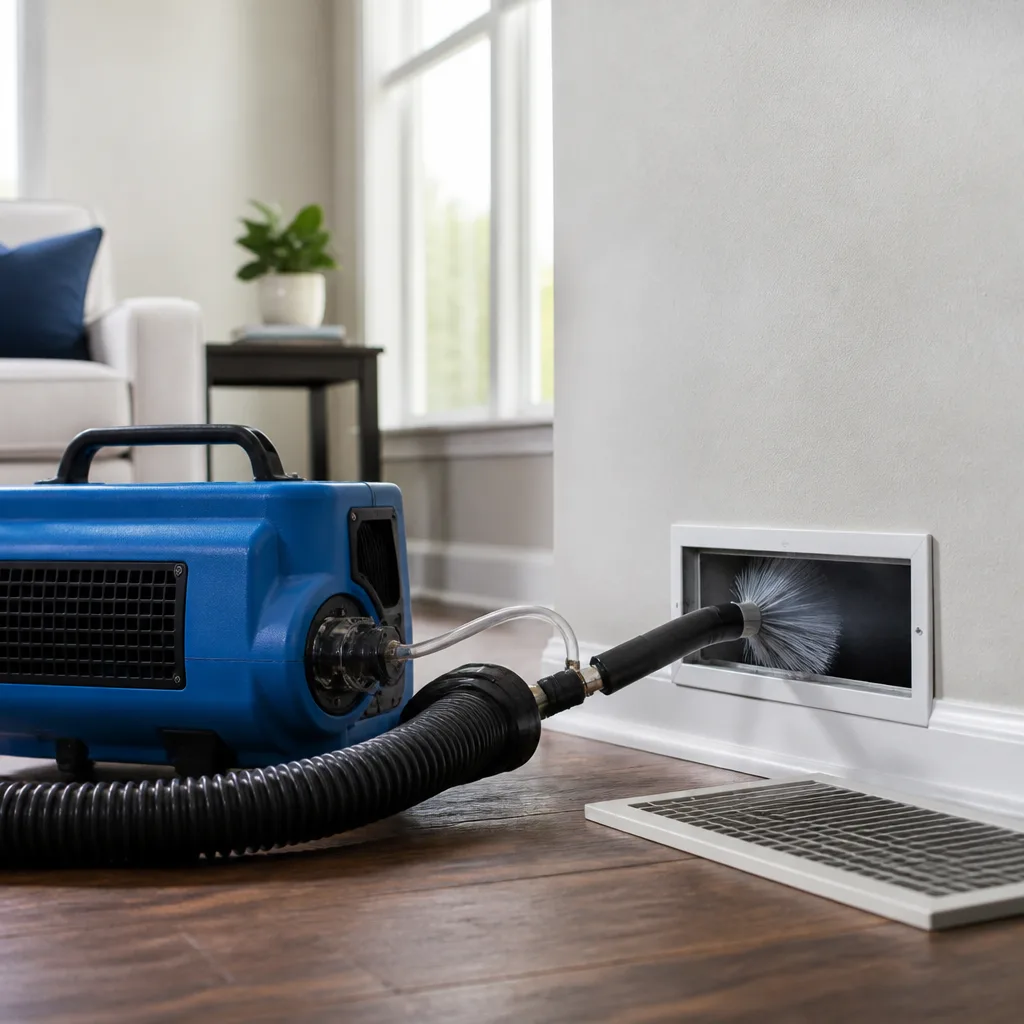 Sanitizing & deodorizing
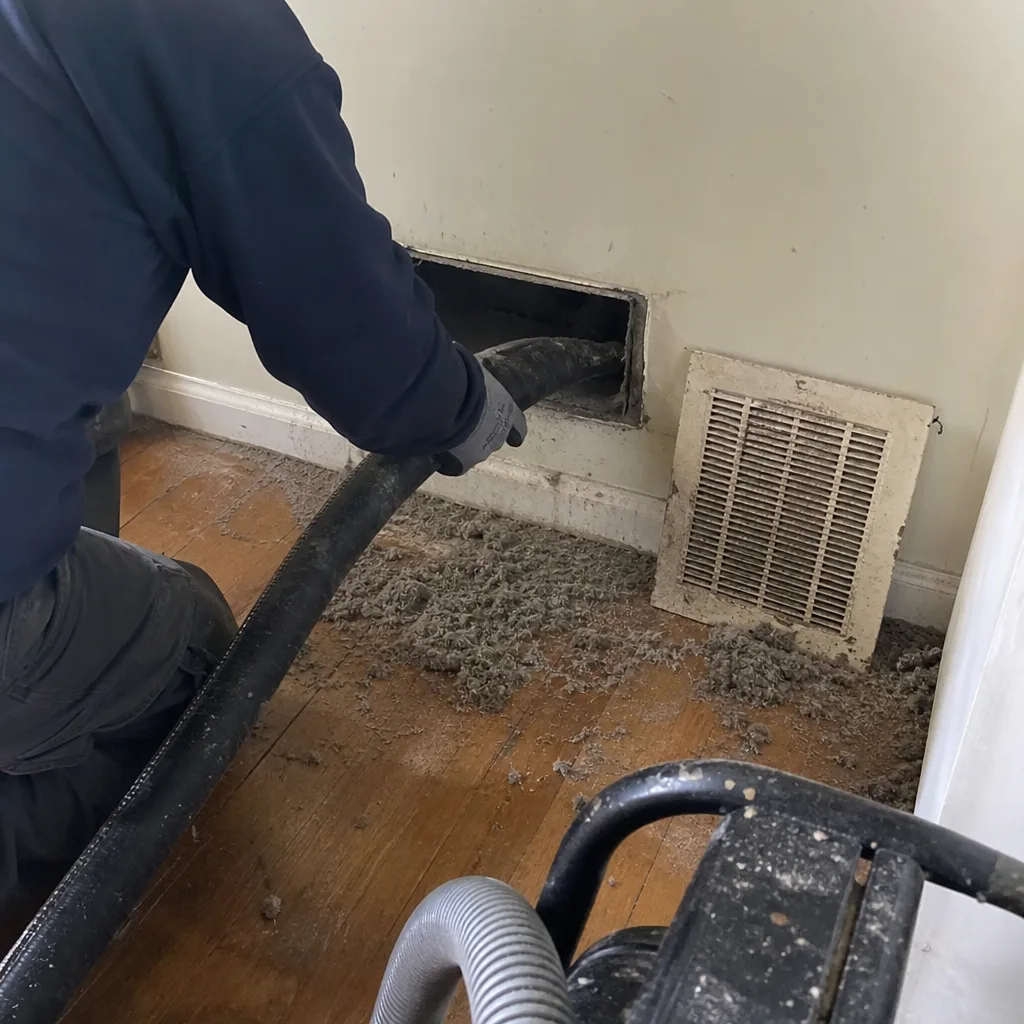
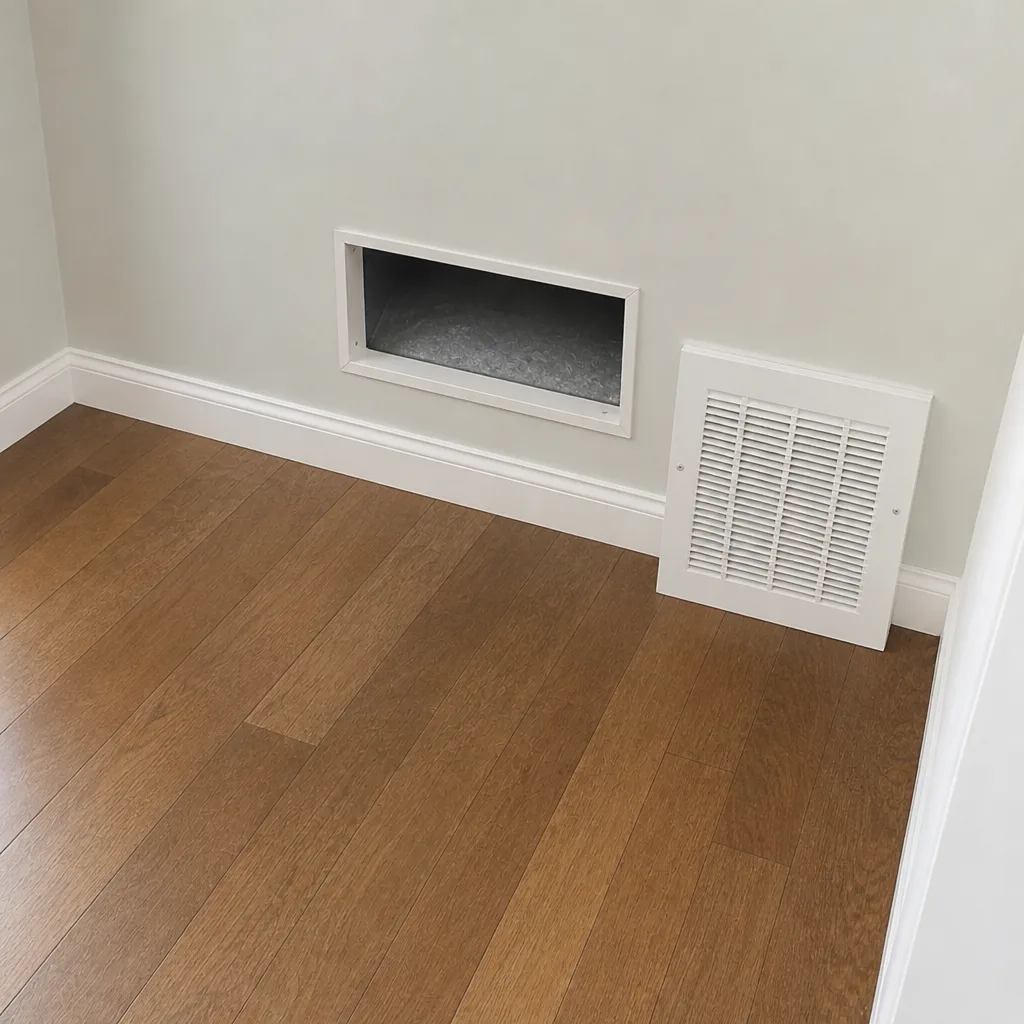
Whole-system duct and dryer vent check with before-and-after photos - you see exactly what came out of your vents
That "$99 whole-house special" is a bait ad - the real number appears once they are in your hallway, or the "clean" is a shop-vac at the register. We photograph the inside of your ducts before and after instead.
Choosing the Right Air Duct Cleaning Brand: A Buyer’s Guide for Brockton
Professional duct cleaning equipment brands aren’t sold at Home Depot. Rotobrush, Nikro and Abatement Technologies reach contractors through remediation supply channels, and that single fact tells you a lot about who is showing up at your door. A company that owns this equipment made a deliberate investment in duct work as a trade, not an add-on squeezed onto a furnace tune-up. Most homeowners in Brockton shop on price and end up guessing. This guide flips that. You’ll learn what each machine actually does mechanically, which equipment suits the duct systems common in older Brockton housing, and how to verify a contractor truly owns what they claim before you book.
Styles & brands we work with
- Whole-home duct cleaning
- Dryer vent cleaning
- Camera inspection
- Sanitizing & deodorizing
Quick Answer
The right air duct cleaning brand is the one that brings purpose-built equipment: a rotary-brush system like Rotobrush for agitation, paired with HEPA-rated vacuum extraction like Nikro, and negative-air containment from a maker such as Abatement Technologies when contamination is heavy. Ask what machines will be on site, how debris is contained, and whether the company also repairs ductwork. If the answer is a shop vac and a vague promise, keep looking.
Table of Contents
- Why Equipment Brand Is the Best Proxy for Job Quality
- Where Professional Duct Equipment Actually Comes From
- What Rotobrush Really Does: Rotary Brush Plus Simultaneous Extraction
- Nikro, HEPA and the 99.97% Standard in Plain Language
- Negative Air and Abatement Technologies: Containing Debris, Not Spreading It
- Matching Equipment to Brockton’s Duct Types: Sheet Metal, Flex and Duct Board
- How to Verify a Contractor Owns and Operates the Equipment
- When Equipment Matters Most: Mold, Smoke and Pest Debris
- From Cleaning to Filtration: Honeywell and Aprilaire Upgrades
- Common Mistakes to Avoid
- When to Call a Professional
- Frequently Asked Questions
- The Bottom Line
Why Equipment Brand Is the Best Proxy for Job Quality
You can’t watch the inside of your ducts while the work happens. That’s the core problem. The service is invisible, the price varies wildly, and the evidence arrives after the technician has packed up. So homeowners look for something they can actually check. Equipment is that something, and it’s a better signal than a coupon or a slick website.
Here’s the logic. A duct cleaning company that buys a Rotobrush system, a Nikro HEPA vacuum and an Abatement Technologies negative-air machine has spent real money on tools that only do one job: duct work. That spending decision is hard to fake and hard to make casually. A generalist HVAC contractor who adds duct cleaning to the menu usually reaches for whatever’s already in the van. A low-bid operator doing coupon work often can’t justify the investment at all.
The equipment also tells you what the job will look like. Rotary-brush agitation loosens what’s stuck to the duct walls. HEPA extraction captures it. Negative air keeps it from drifting into your living room. Each piece does a distinct mechanical job, and a company that owns all three has built a process, not a sales pitch.
In our experience across Brockton, the equipment question separates operators faster than anything else you can ask. Someone who can explain the difference between brush agitation and negative air has done the work. Someone who can’t is guessing alongside you. If a company can name its machines and describe how they work together, you’re already ahead of most of the market.
Where Professional Duct Equipment Actually Comes From
Walk into a home improvement store and you’ll find wet/dry vacuums, shop vacs, and maybe a flexible brush kit for cleaning lint traps. You won’t find a Rotobrush. You won’t find a Nikro HEPA unit. You won’t find an Abatement Technologies negative-air machine.
That’s deliberate. This equipment is distributed through remediation and restoration supply channels, the same networks that serve mold remediators, fire and water damage contractors, and commercial facility maintenance crews. The buyers are professionals who need documented performance, not a weekend project tool.
This matters for a Brockton homeowner because it gives you a clean question to ask. A contractor who claims to clean ducts with professional equipment should be able to speak the language of that supply chain. They’ll know what HEPA rating means. They’ll know why negative air pressure matters during containment work. They’ll know the difference between a brush that agitates and a vacuum that extracts.
If the person on the phone describes their setup as “a really powerful vacuum” and can’t tell you the brand, that’s your answer. Powerful is a feeling. Rotobrush is a machine. When a company invests in the remediation-grade channel, it’s telling you the work is central to their business, and that’s the operator you want bidding on your system.
What Rotobrush Really Does: Rotary Brush Plus Simultaneous Extraction
Rotobrush is the industry standard for a reason, and it’s worth understanding the mechanics so you can judge whether it’s actually being used on your job.
The system does two things at once. A rotating brush head travels through the duct, physically agitating the caked-on dust, lint and debris that clings to the interior surfaces. At the same time, a vacuum pulls air through the same line, capturing what the brush dislodges. The brush and the vacuum work in tandem, so debris doesn’t get loosened and then left to settle back down the run.
Compare that to a simple vacuum-only approach, which only grabs what’s already loose and floating. Caked dust on sheet metal or film on flex duct needs mechanical agitation to come free. A brush alone without extraction just moves the problem around. The combination is what makes it work.
- The brush head is fed into a supply or return run, typically through a register or plenum access.
- The rotating bristles agitate the duct wall, breaking the bond between debris and surface.
- The vacuum line runs simultaneously, pulling dislodged material into a collection system.
- The technician works run by run, adjusting brush size and stiffness to the duct type.
- After cleaning, the system is inspected to confirm the runs are clear.
For Brockton homes with long runs and multiple branches, that step-by-step process matters. Older housing stock often has extended duct layouts, and brush-and-vacuum work along each branch is the only way to reach caked debris at the far ends. We pair the Rotobrush with HEPA extraction so the material captured goes into a sealed system rather than back into the room.
Nikro, HEPA and the 99.97% Standard in Plain Language
If you’ve shopped for a vacuum or an air purifier, you’ve seen “HEPA” on a label. In professional duct cleaning, the term means something specific, and it’s the line between a machine built to protect the air in your home and one built to move volume fast.
A true HEPA filter captures 99.97% of particles at 0.3 microns. That 0.3 micron figure is the hardest particle size for a filter to catch, so it’s used as the worst-case benchmark. Dust mites, mold spores, pet dander and fine smoke particles all sit in that neighborhood or larger, which is why HEPA capture matters when you’re disturbing settled debris inside a duct system.
Nikro builds HEPA-rated vacuum systems for exactly this work. The point is that when the Rotobrush dislodges years of accumulated material, the vacuum captures it at the filter instead of venting it into the room where your family breathes. A shop vac with a paper bag doesn’t do this. It stirs up fine particles and pushes them right back into the living space, which is worse than leaving the ducts alone.
For Brockton households dealing with dust and allergy complaints, this is the difference that shows up in daily life. A HEPA-contained cleaning means what’s pulled out stays out. A consumer-grade vacuum cleaning means debris just relocates from the ducts to the furniture and the air, and the visible dust is back within weeks. When the customer is already frustrated by dust and unexplained allergy flare-ups, HEPA containment is non-negotiable.
Negative Air and Abatement Technologies: Containing Debris, Not Spreading It
HEPA vacuum handles what the machine pulls through. Negative air handles everything else.
An Abatement Technologies negative-air machine is placed to create a pressure differential, so air flows into the work area and gets filtered before it can escape into another part of the home. In remediation work, this is how contractors keep dust and contaminant particles out of clean spaces. In duct cleaning, it does the same thing: it makes sure the room around a register or access cut isn’t getting a fresh coating of what just came out of the duct.
The difference between a company using negative air and one that isn’t shows up quickly. Without containment, agitation loosens material and air currents carry it around. With negative air, the machine runs throughout the job, drawing particles into its own filtered system. The room stays cleaner, and the debris ends up collected instead of redistributed.
This is where a lot of cheap duct cleaning fails on Brockton jobs. The technician agitates with a brush and a shop vac, the dust clouds up, and the homeowner notices within a day that their furniture has a fresh layer. The work looked done in the moment, but the system wasn’t contained. Negative air is the step that most low-bid operators skip because they don’t own the machine and won’t rent one. When a company owns Abatement Technologies equipment, it’s telling you the containment step is part of the standard job.
Matching Equipment to Brockton’s Duct Types: Sheet Metal, Flex and Duct Board
Not all duct responds to the same tool. Brockton has a mix of housing styles, and each common duct material has its own behavior under agitation. Knowing which equipment suits which system helps you ask sharper questions.
Sheet Metal
Older Brockton homes often have galvanized sheet-metal trunk and branch systems. Sheet metal is durable and takes aggressive rotary-brush work well. Dust and lint cling along seams and at turns, and the Rotobrush handles those runs efficiently. Sheet metal is the most forgiving duct material and shows the most dramatic before-and-after results.
Flex Duct
Flex duct is a corrugated, lined product common in newer construction and retrofit work. The interior is more delicate, and brush tension has to be dialed down. Too much aggression on flex can damage the liner. A technician who knows the material will use a softer brush setup and let the HEPA vacuum do more of the extraction. Ask how they handle flex runs. If the answer is “we use the same brush as always,” that’s a red flag.
Duct Board
Duct board is a rigid, foil-faced insulation product used in both trunk and branch work. The interior surface is fibrous and can trap moisture and odor. Aggressive brushing can damage the facing, so agitation needs to be tuned carefully. A company that owns the right tools and understands duct board will choose a lower-aggression setup and rely on extraction to finish the job.
In our work around Brockton, we see all three materials in a single home more often than you’d expect. A pre-war house with sheet-metal trunk lines might have flex branches added during a renovation, and the equipment needs to be adjusted run by run. That’s the practical reason understanding the systems matters: the right brand of tool only helps if it’s matched to the material it’s cleaning.
How to Verify a Contractor Owns and Operates the Equipment
The best equipment in the world doesn’t help if it’s sitting in a warehouse and the crew shows up with a shop vac. Here’s the sequence of questions that will sort it out before you book. Use them in order.
- Ask what brand of rotary brush they use. A working answer names the system and explains how the brush and vacuum run together. A vague answer (“we use professional equipment”) tells you they don’t know their own tools.
- Ask what HEPA vacuum they bring. Nikro is a common professional answer. If they can name the filtration spec and describe why it matters, they’re operating, not repeating a script.
- Ask about containment. A company that runs negative air will mention an Abatement Technologies machine or explain the pressure setup in their own words. If containment isn’t part of the conversation, they’re not doing it.
- Ask to see the truck setup when they arrive. You don’t need to inspect it in detail. You need to see whether the equipment described on the phone actually made it to your home.
- Ask whether they also repair ductwork. A company that cleans and repairs has to understand how the ducts are built. A cleaning-only operator can agitate and vacuum without ever diagnosing a broken joint or crushed run.
- Ask for before-and-after photos of your own ducts. A company with credible equipment will have no trouble showing you what was inside the run before and after the work.
- Ask what happens if they find damage mid-job. The answer should be a specific service path, not a shrug. A duct and IAQ specialist will have a repair workflow; a low-bid operator won’t.
Notice that none of these questions requires you to know the equipment brands going in. You’re not testing the contractor against your own knowledge. You’re checking whether the answers are specific, mechanical and internally consistent. Someone who’s done the work can talk about brush stiffness and duct board facing without hesitation. Someone who’s selling a coupon can’t.
When Equipment Matters Most: Mold, Smoke and Pest Debris
Routine maintenance cleaning on a lightly soiled system is forgiving. A reasonable vacuum and brush job can clear surface dust on a mostly clean duct network, and the risk of doing damage is low. The picture changes sharply when the system is contaminated.
Mold growth inside a duct system is a remediation problem. Spores are tiny, they travel easily, and they land throughout the home if the cleaning isn’t contained. Smoke residue from a previous fire or long-term exposure is similarly stubborn, and it coats duct surfaces with a fine, odor-laden film that needs mechanical agitation plus HEPA capture to remove. Pest debris carries its own problems, and it needs to be extracted without spreading fine particles or odor into living spaces.
For these cases, the equipment choices we’ve walked through aren’t optional extras. They’re the whole job. Rotary-brush agitation loosens the contaminant, HEPA extraction captures it at the filter, and negative air keeps it out of the rest of the house. Skip any one of those steps and the homeowner gets a few clean surfaces and a system that’s still harboring the same problem.
For Brockton homeowners dealing with musty odors or unexplained flare-ups, that’s the practical test. A company without the right equipment will charge less, run something through the duct, and the odor comes back within a week. A specialist equipped for containment will actually solve the problem, and the results hold. If you’ve got a contaminated system, the equipment question stops being interesting and starts being the whole purchase decision.
If you’re not sure where you land, air duct cleaning can start with a walk-through that sorts routine from contaminated before any price is set.
From Cleaning to Filtration: Honeywell and Aprilaire Upgrades
Cleaning solves one problem: what’s inside the ducts right now. What comes back into the air afterward is a separate question, and for many Brockton homeowners it’s the one they actually care about.
A duct and IAQ specialist can bridge the two. Cleaning the system is the first step. Installing or servicing a proper filtration component, like those from Honeywell or Aprilaire, is the second. Whole-home filter systems and media cabinets are designed to catch particles upstream of the living space, and they need servicing and replacement like any other piece of equipment. A company that already knows what happens inside a duct is the natural fit for putting better filtration back into the system.
Stay clear of companies that promise to install a full HVAC system or handle furnace repair. That’s a different specialty. The right specialist stays inside the duct and air quality lane, cleans it thoroughly, and puts a filter in place that will keep the air cleaner once the ducts are sealed back up. If you hear a bid that combines a major equipment replacement, a duct cleaning, and a filtration upgrade without explaining why each piece is needed, that’s a sale, not a diagnostic. The right answer should be boring and specific: clean what’s in the ducts, repair what’s broken, put the right filter in front of the return, and check it someday.
If your ducts are already clean and you’re wondering what comes next, Duct Cleaning Brockton can walk you through what filtration options fit your system without any pressure to add them.
Common Mistakes to Avoid
- Booking on the coupon price alone. A teaser price almost always becomes a bigger invoice once the technician sees the system, and per-vent pricing rewards a fast job over a thorough one. Ask for a whole-system estimate before you book.
- Letting a shop vac near your ducts. A shop vac lifts debris and blows fine particles into the room. That’s the opposite of cleaning. Ask for HEPA-rated extraction and containment before anyone starts work.
- Skipping the duct-type question. Brockton’s mix of sheet metal, flex duct and duct board needs different equipment tuning. A company that treats every duct the same way can damage flex liners or crush duct board facing.
- Assuming repairs are included. Many cleaners don’t touch a broken joint, and many home inspectors will flag one on a walkthrough. Ask before booking whether duct repair is part of the service menu.
- Taking “professional equipment” as an answer. The phrase means nothing. Get a brand name, ask how the machines work together, and watch what shows up at the door.
- Ignoring musty odors or mold until it’s worse. A contaminated system needs containment from day one. Booking a routine cleaning on a contaminated system can make the indoor air worse, not better.
- Skipping the before-and-after photos. Photos of your own ducts are the only proof that the job got done the way it was described. Ask for them before the technician leaves.
When to Call a Professional
Not every duct system needs cleaning on a schedule. Some situations do call for a specialist, and knowing the difference saves you from a wasted booking. If your home shows visible dust settling on furniture within days of cleaning surfaces, or if allergy-type symptoms flare up whenever the heat or AC runs, the ducts are worth a look. Musty odors that linger even when the system is off are another signal, and they often point to moisture or mold inside the system that hasn’t been addressed. Recent renovation work, pest activity, or a previous fire leaves debris that gets trapped in runs and needs professional extraction rather than a homeowner vacuum. A dryer that takes far longer than it used to, or lint building up near the vent, is worth a dryer vent cleaning visit for reasons of fire safety. If you’ve never had the system looked at and you’re unsure where you stand, that’s a reason to ask too. Duct Cleaning Brockton offers free estimates in Brockton – call (844) 834-2553. We answer 24/7. Fast dispatch from 7am to 7pm, Sunday through Friday.
Frequently Asked Questions
The professional standards in duct cleaning are Rotobrush for rotary-brush agitation, Nikro for HEPA-rated vacuum extraction and Abatement Technologies for negative-air containment. A company that owns all three can agitate, extract and contain in a single pass, which is what separates a real cleaning from a cosmetic one. Ask any Brockton contractor which brands will be on site before you book.
Ask which brand of rotary brush they use, what HEPA vacuum they bring, and what containment they run. A knowledgeable answer names the machines and explains how they work together on your duct type. If the response is vague, walk away – and when the technician arrives, look for the equipment they described at the door. Call (844) 834-2553 for an exact quote – estimates are free.
Yes, when the goal is indoor air quality. HEPA capture at 99.97% of particles at 0.3 microns keeps dislodged debris inside the vacuum and out of your living space. A shop vac will lift dust without containing it, which makes indoor air worse rather than better. Nikro HEPA systems are built specifically for this work.
Rotary-brush agitation paired with simultaneous HEPA extraction is the right setup for sheet-metal ducts. The metal surfaces tolerate the brush tension well, and caked dust comes free without damage. Older Brockton homes with long trunk runs and multiple branches benefit from a run-by-run approach with the brush and vacuum working together.
Cheap quotes usually skip the equipment and the containment. A company without a HEPA vacuum, a rotary brush or a negative-air machine is often using a shop vac, which agitates dust instead of capturing it. Those prices don’t reflect a smaller job, they reflect a different (and less complete) process. Call (844) 834-2553 for an exact quote – estimates are free.
Most homes don’t need duct cleaning on a fixed schedule. Routine cleaning makes sense when you see dust returning quickly, smell musty odors, or notice allergy flare-ups tied to the system running. Homes with contamination from mold, smoke or pests need cleaning sooner and with more containment. Call (844) 834-2553 for an exact quote – estimates are free.
Sometimes. Musty odors often trace back to moisture or mold inside the system, and that needs proper containment and HEPA extraction to address. If the odor is coming from the ducts themselves, cleaning with the right equipment can resolve it. If it’s coming from a broader moisture problem, the source needs attention first. Call (844) 834-2553 for an exact quote – estimates are free.
The Bottom Line
Equipment brand is the clearest proxy you have for duct cleaning quality, because the right tools are expensive, purpose-built and hard to fake. Rotobrush brings the agitation, Nikro brings the HEPA capture, and Abatement Technologies brings the containment that keeps debris out of your home. Ask for brand names before you book, ask how the systems work together on your duct type, and check what shows up at the door. If a company can’t answer those questions clearly, that’s your answer. If they can, you’ve found a specialist who takes the work seriously. Our technicians have up to 8 years of experience working with these systems, and we’re glad to walk you through the equipment on a free estimate. Call (844) 834-2553. We answer 24/7. Fast dispatch from 7am to 7pm, Sunday through Friday.
Written by the team at Duct Cleaning Brockton.
See the difference
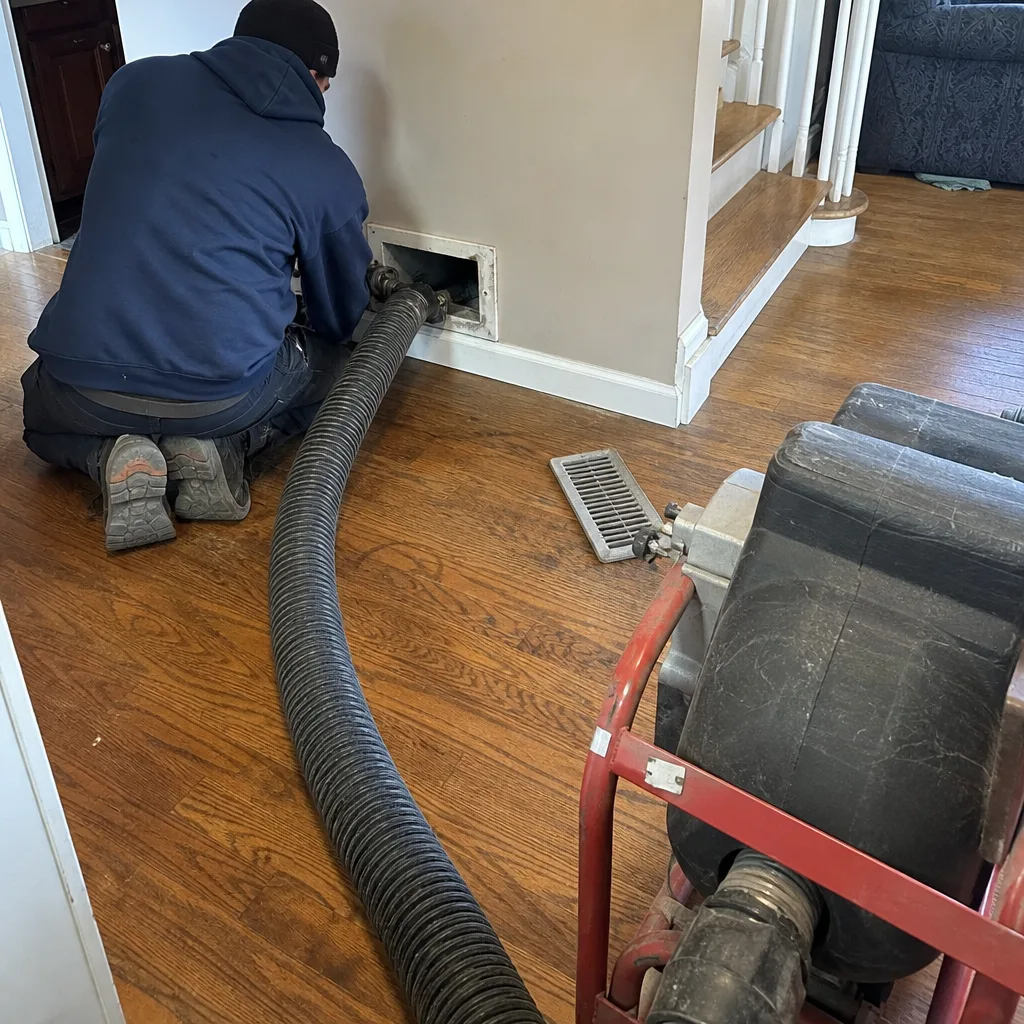 Before
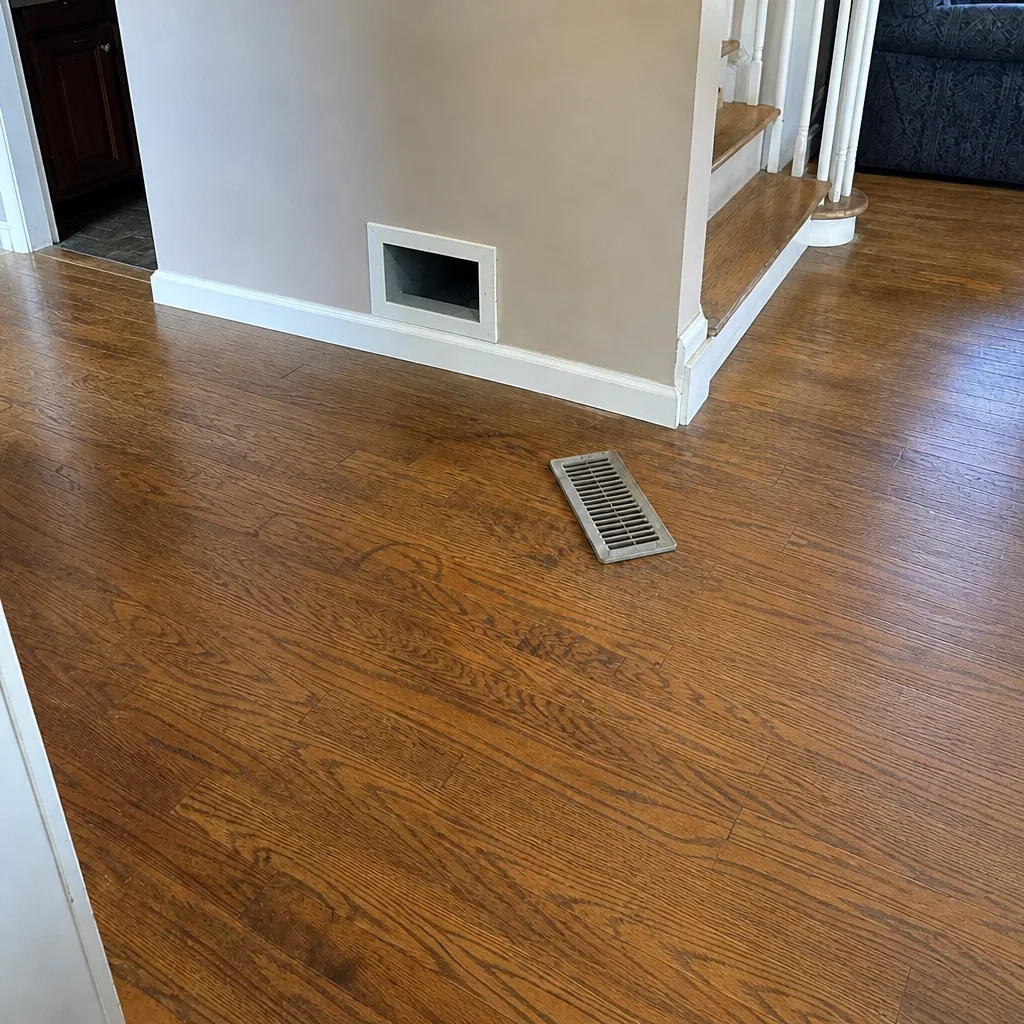 After
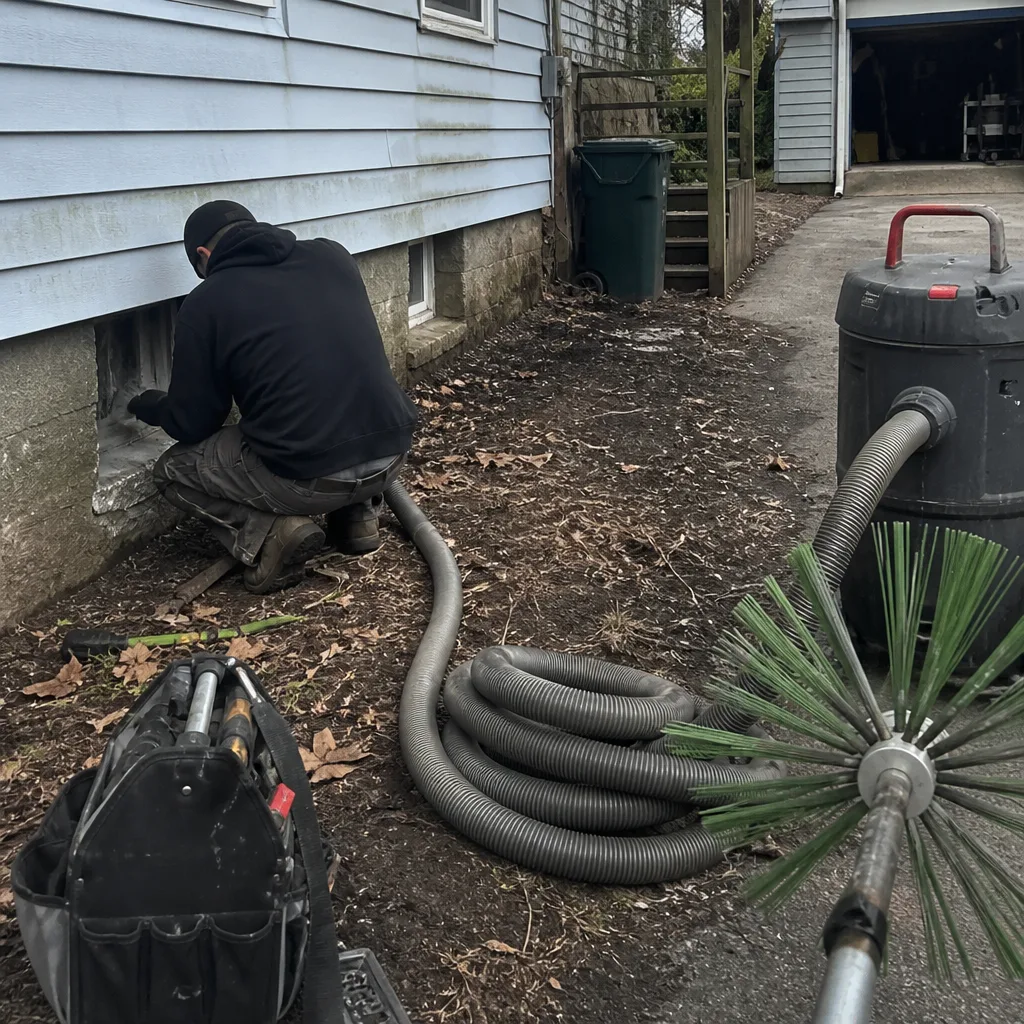 Before
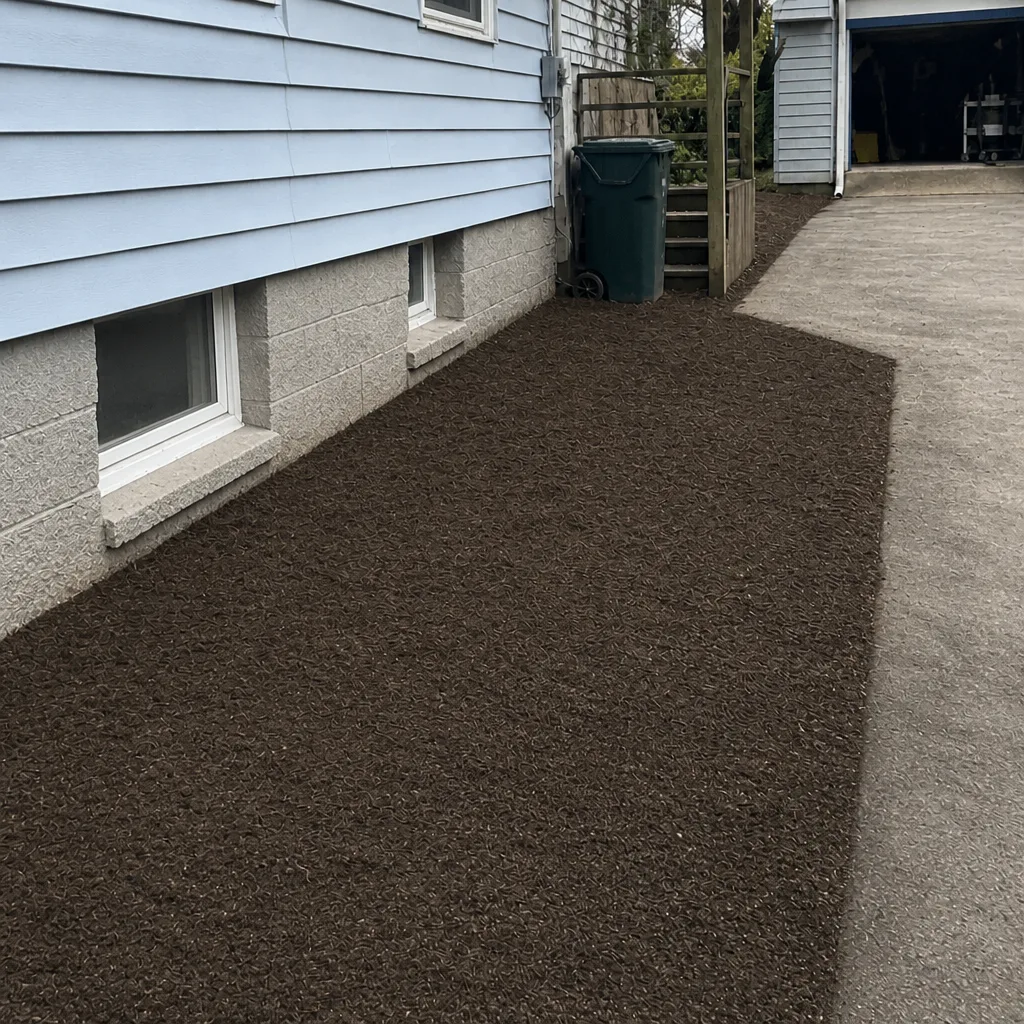 After
 Before
 After