
Last updated November 16, 2026
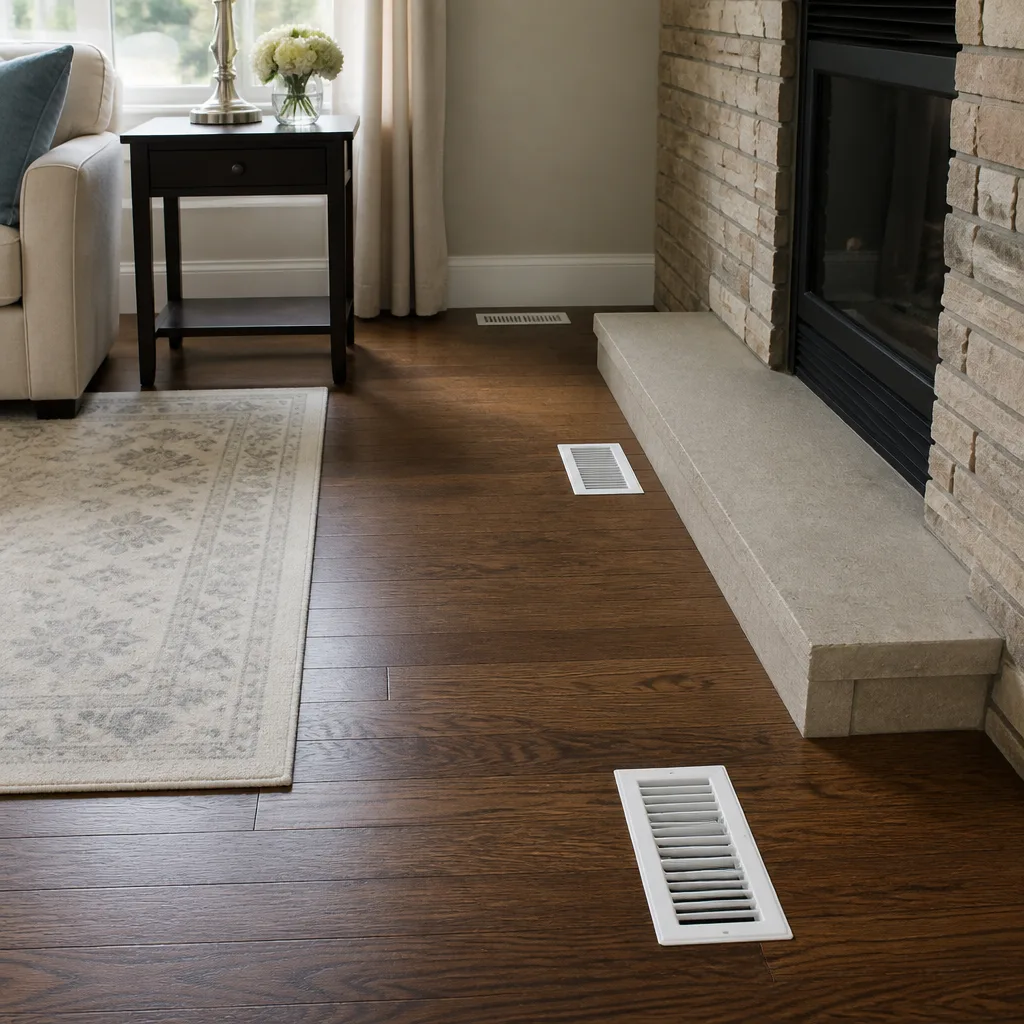 Whole-home duct cleaning
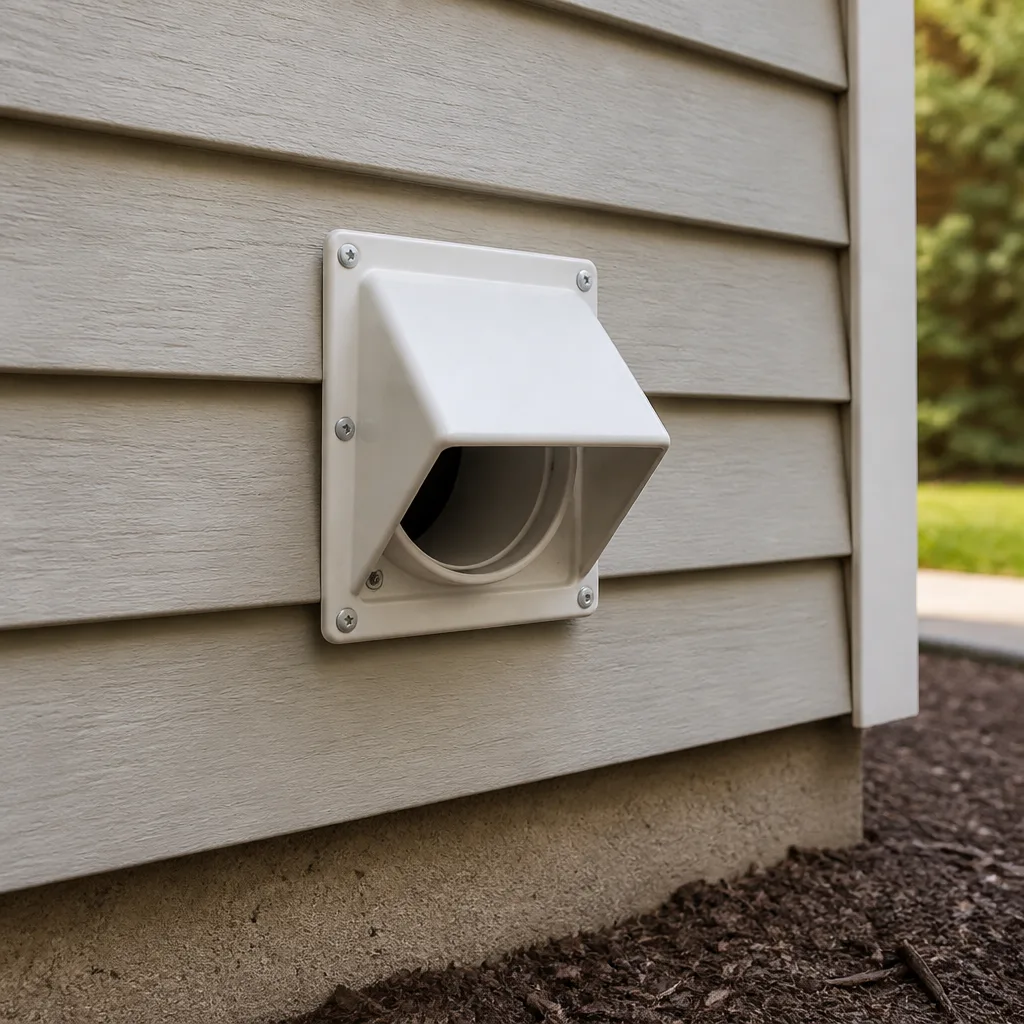 Dryer vent cleaning
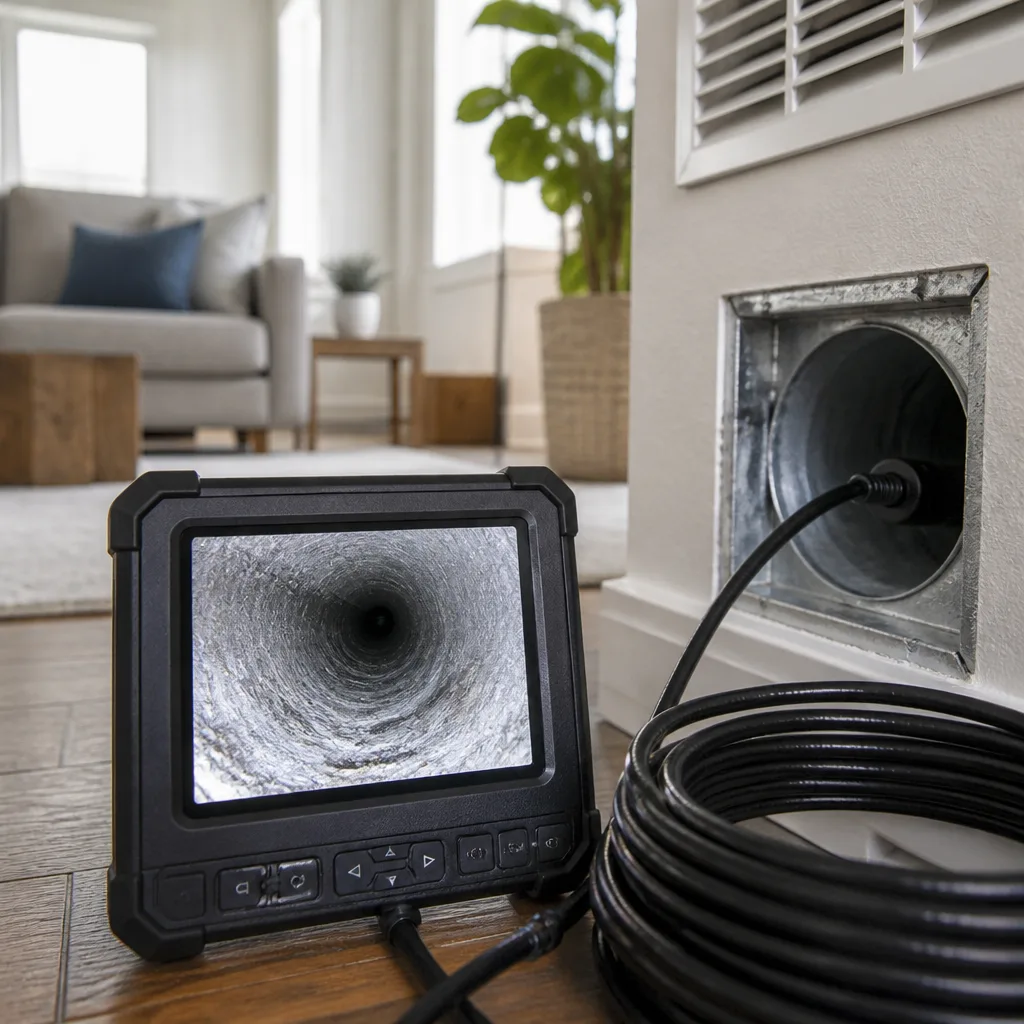 Camera inspection
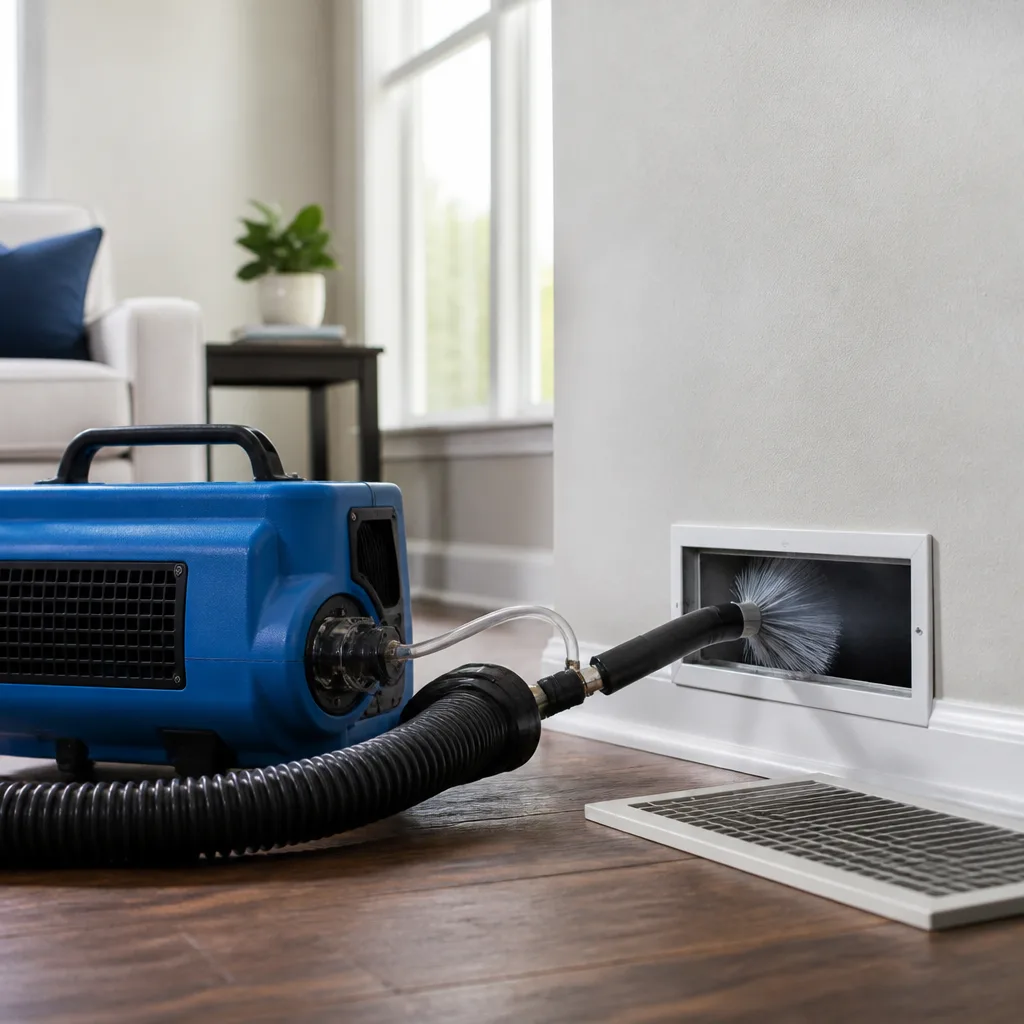 Sanitizing & deodorizing
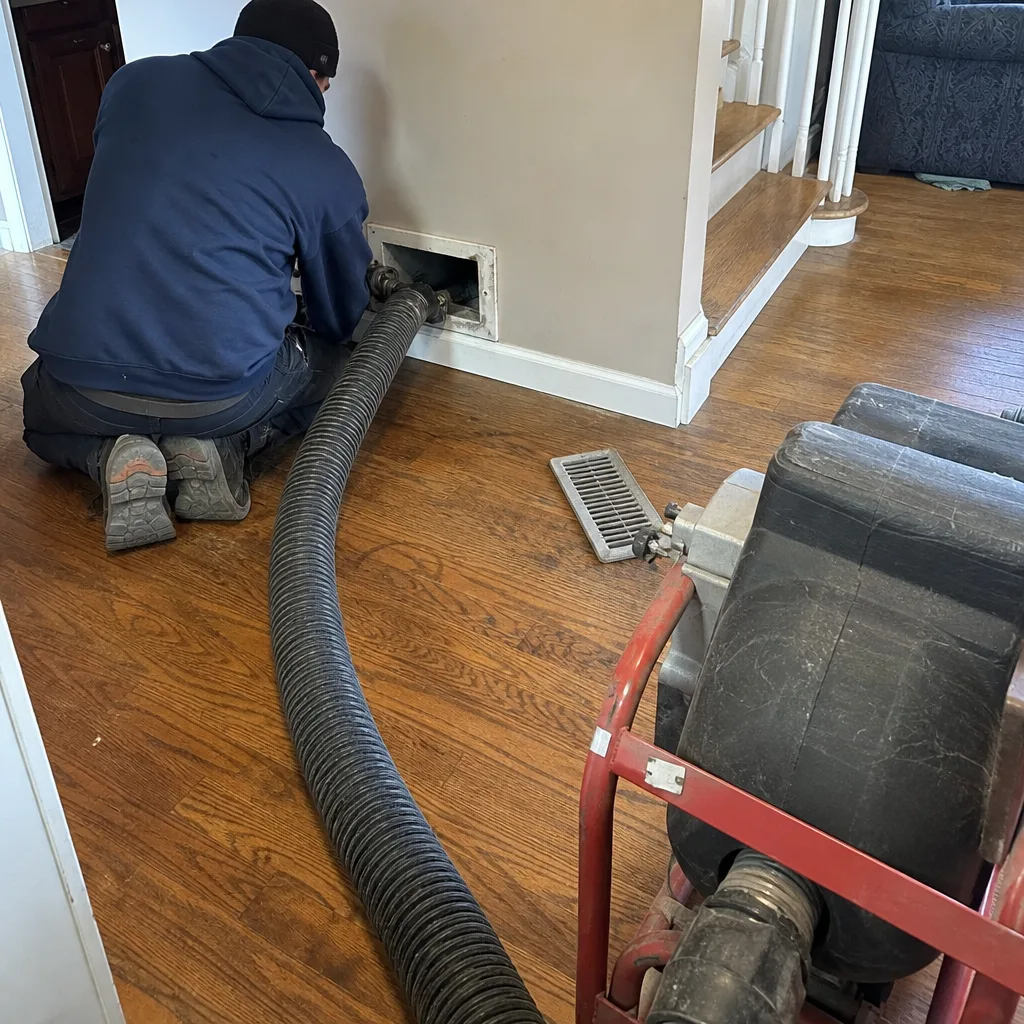
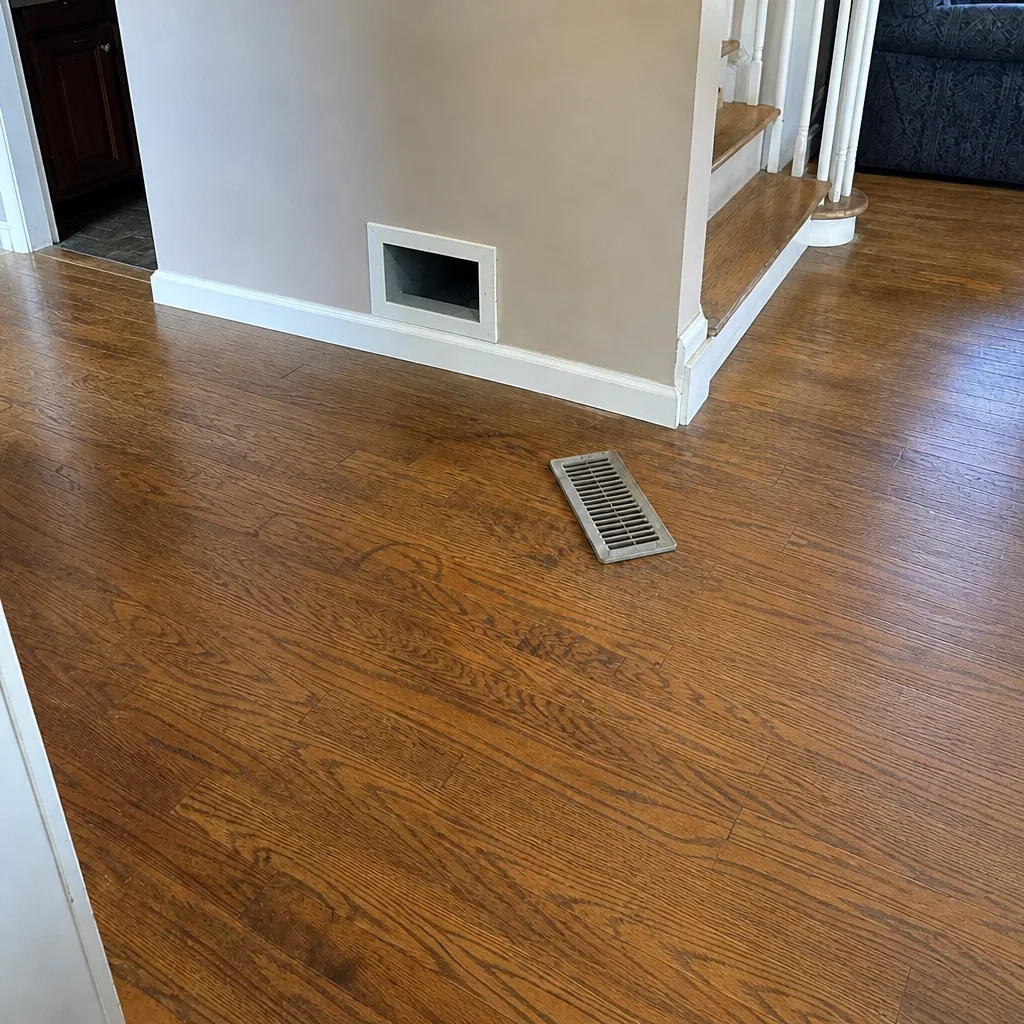
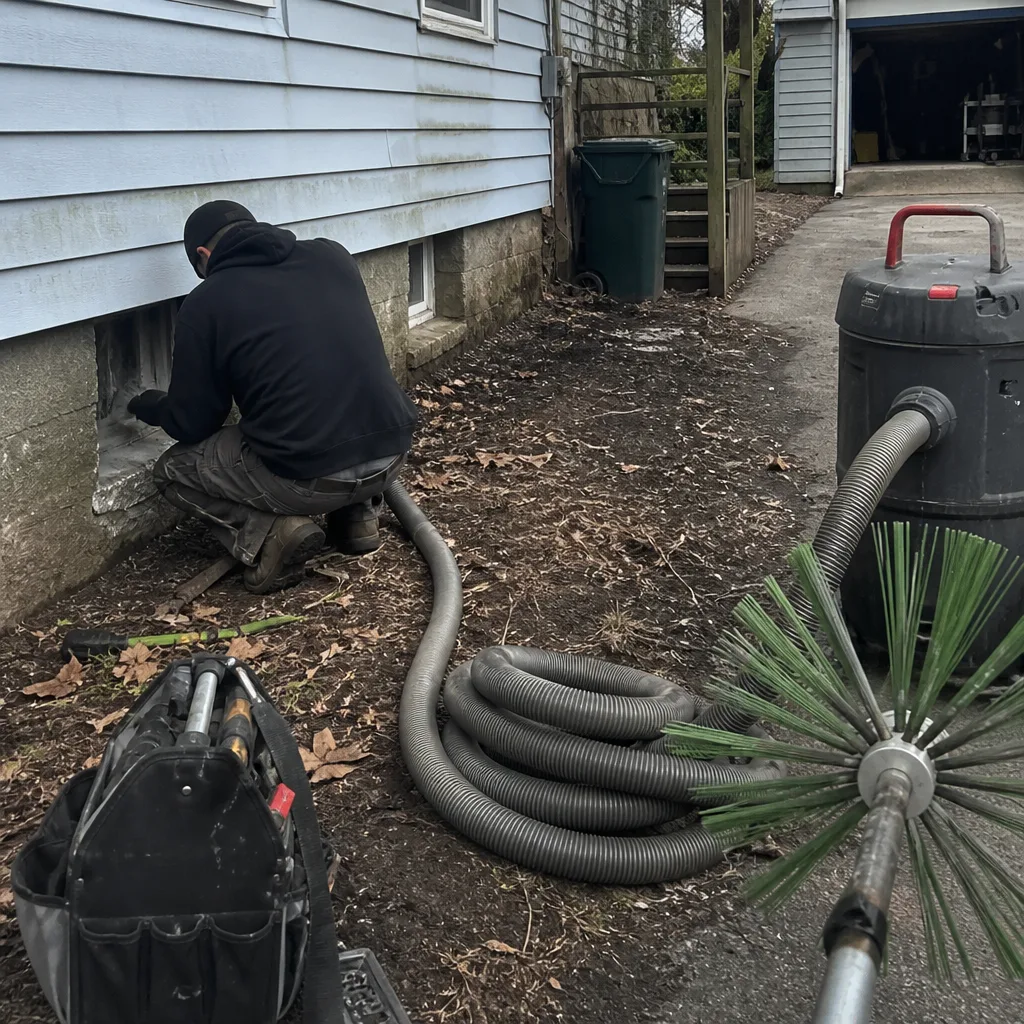
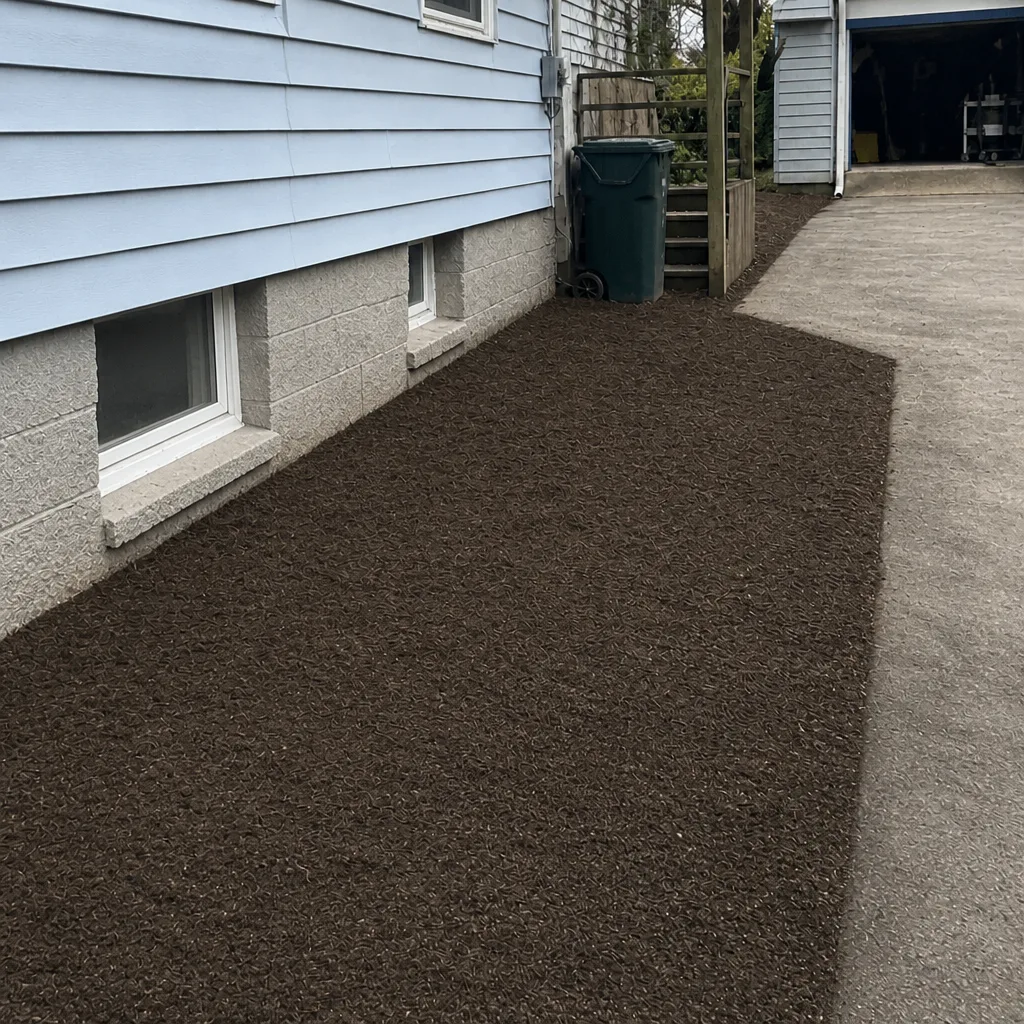
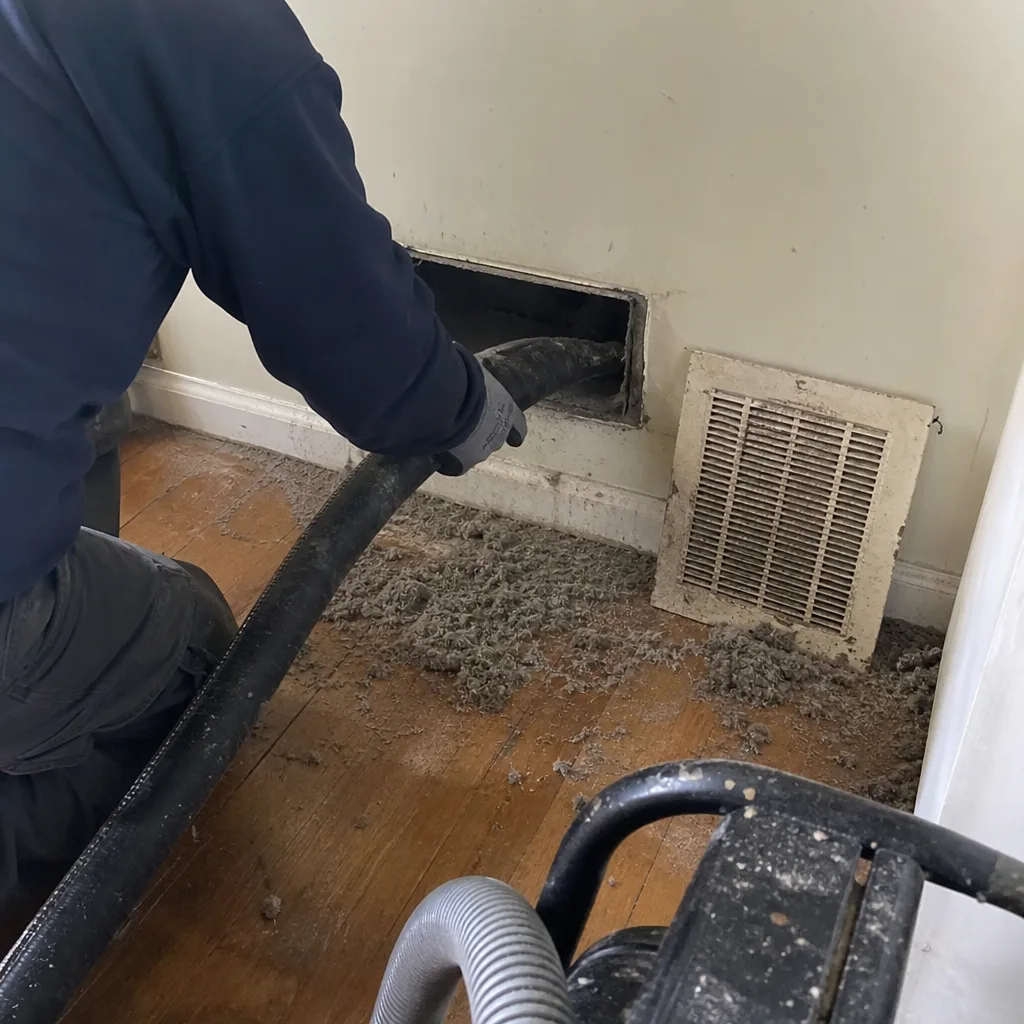
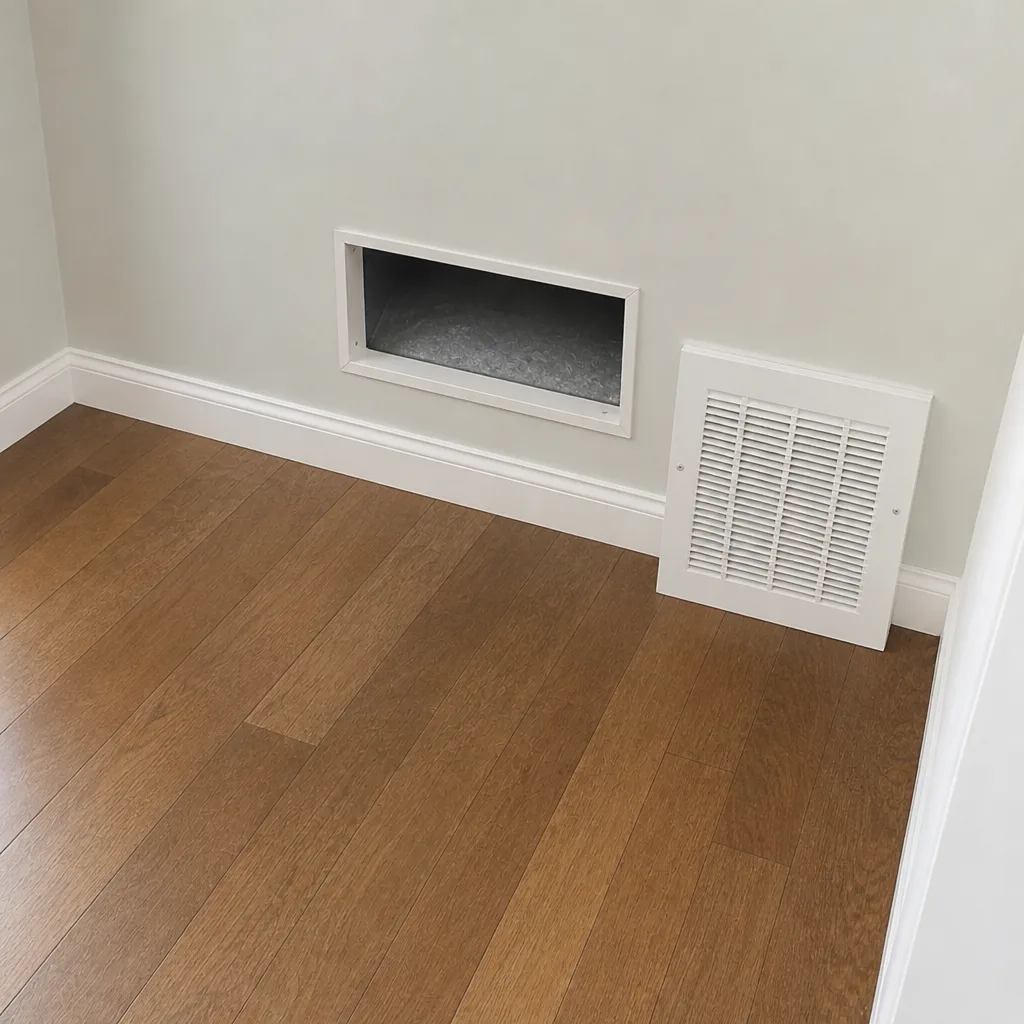
Whole-system duct and dryer vent check with before-and-after photos - you see exactly what came out of your vents
That "$99 whole-house special" is a bait ad - the real number appears once they are in your hallway, or the "clean" is a shop-vac at the register. We photograph the inside of your ducts before and after instead.
Air Duct Cleaning Warning Signs: A Brockton Homeowner’s Reference Guide
Dust on a supply register is the duct cleaning warning sign people actually notice, and it’s often the one that shows up last. The conditions that matter most inside a duct system, things like biofilm growth, pest debris, and degrading liner material, usually sit behind a grille where nobody looks until someone runs a camera through the run. That’s why two Brockton homes can look identical from the hallway and have completely different problems in the attic trunk. This guide maps each sign you can see or measure to the duct condition behind it, so you can describe what’s happening accurately and get the right answer the first time you call.
Quick Answer
Air duct cleaning warning signs in a Brockton home fall into three groups: what you can see (dust rings, streaks, visible debris at registers), what you smell (a musty or sharp odor when the heat first kicks on), and what you measure (uneven room temperatures, pressure loss, allergy symptoms that don’t improve with filter changes). Each group points to a different cause, so the useful first step isn’t booking a cleaning, it’s figuring out which group your symptom belongs to.
Styles & brands we work with
- Whole-home duct cleaning
- Dryer vent cleaning
- Camera inspection
- Sanitizing & deodorizing
Table of Contents
- The Symptom-to-Cause Map
- Warning Signs by Brockton Housing Era
- Normal Dust or Active Contamination?
- Mold, Debris, or Pest Activity: Three Different Problems
- What to Photograph Before a Technician Arrives
- How to Measure, Not Just Look
- Why a Camera Matters More Than a Checklist
- Common Mistakes to Avoid
The Symptom-to-Cause Map
Most lists of warning signs stop at the symptom. That’s not much help when you’re standing in a hallway trying to decide whether to call anyone. Here’s how the signs we see most often in Brockton connect to what’s actually going on inside the system.
Musty or sharp odor on first heat. The first time the furnace runs for the season, a smell that lingers past the first few minutes usually comes from one of two places: combustion byproducts drawn back into the return side, or biological growth on a surface that condenses moisture. A stale, wet-cardboard smell is the biofilm signature. A metallic or faintly exhaust-like smell deserves a callback to whoever services the furnace before anyone touches the ducts.
Allergy symptoms that spike despite regular filter changes. If you’re changing filters on schedule and still reacting more indoors than out, the likely cause is bypass contamination: air slipping past the filter frame, or debris that settled between cleanings and never got captured. A filter catches what passes through it, not what’s already coating the inner walls of the run.
Uneven room temperatures. A bedroom that stays cold while the rest of the house is comfortable is a ducting symptom, not a furnace symptom. Collapsed flex duct in the attic, a disconnected joint, or a crushed trunk line will cause exactly that pattern. That’s a repair question as much as a cleaning one, and it’s worth knowing which you’re dealing with before you book.
Black or dark rings around the register frame. Those rings are the visible tip of upstream contamination. Dust and moisture collect where airflow changes direction, and dark discoloration around the edges often means something is growing further back. It’s worth having it looked at rather than wiped and forgotten.
For a full explanation of what professional cleaning involves, our air duct cleaning page walks through the process from register to return. If you’ve already got a specific symptom in mind, keep reading and match it to the section below.
Warning Signs by Brockton Housing Era
Brockton has a housing stock that spans more than a century, and the duct problems in a 1960s Cape are not the same problems you’ll find in a 1990s colonial. Age tells you what to look for before you even open a grille.
1950s to 1970s homes
Homes built in this window often have duct runs wrapped with insulation that predates modern fiberglass practices. Some of that older material can contain asbestos. That’s not a reason to panic; it’s a reason to have an inspection done before anyone starts disturbing surfaces. A technician should be able to tell you what they’re seeing and stop if the material looks suspect. This is also an era when sheet metal ductwork was frequently joined with tape or mastic that has since dried and failed, so leaks along the trunk are common.
1980s and 1990s homes
The fiberglass flex duct that became standard in this era degrades with age. The inner liner can separate, tear, or shed fiberglass particulate into the airstream, and there’s no way to clean that away once it starts. This is the material failure that matters most in Brockton, because a lot of subdivision housing from these decades is still running original flex runs. When the liner is failing, the answer is a repair, not a cleaning. That’s why we handle dryer vent cleaning and duct repair under the same roof as cleaning. We clean it, we repair it, and we can tell you when the second is the right call.
Newer construction
Newer homes mostly deal with construction debris left in the runs and tight, well-sealed systems where the first few months of use reveal any problem. Fewer failure points, but also less tolerance for a bad job.
If you’re trying to figure out where your own home falls and what that means, our Brockton page is a good starting point.
Normal Dust or Active Contamination?
Every home has dust. The question is whether what you’re seeing is routine accumulation or a sign that something is actively growing or shedding inside the system. Here’s how to tell them apart before you call anyone.
- Look at how fast it comes back. Dust that reappears on a register within a week or two of wiping it down is a strong signal that something is actively sending particulate through the system, not settling passively.
- Check the pattern. Even, light-gray coating on all registers is typical. Dark patches, rings, or streaks confined to one or two rooms suggests a local problem in that branch of the ductwork.
- Smell it, don’t just see it. Wipe a register face with a white cloth and give it a sniff. Ordinary dust smells like house. A musty or earthy smell is a biological signature.
- Note whether the symptom changes with the season. A problem that flares every fall when the heat comes on points to a condition in the supply side. A problem that only appears in humid weather points to moisture.
- Check the filter’s condition against its schedule. A filter that’s supposed to last months and looks collapsed in weeks is telling you the system is pulling more particulate than it should.
If most of your answers point toward “it’s coming back fast” and “it’s in one area,” you’ve moved past normal dust. The next question is what kind of contamination it is.
Mold, Debris, or Pest Activity: Three Different Problems
These three get lumped together as “dirty ducts,” and they shouldn’t be. Each one calls for a different approach, and in some cases a different contractor.
- Biological growth (mold and mildew): Wet, earthy odor, dark staining upstream of the register, and symptoms that flare in humid weather. This is the one that requires HEPA-rated capture equipment and, in serious cases, containment with negative air pressure so dislodged spores aren’t redistributed into living space. We use Nikro HEPA systems paired with Abatement Technologies negative-air machines for exactly this reason. If the growth is extensive, you may also need a mold remediation professional involved, and duct cleaning alone isn’t the answer.
- Debris accumulation: Dry, granular, or fibrous material coating the interior. Dust, drywall dust, and construction debris are the usual culprits, especially in newer homes. This is a cleaning problem, solved with rotary-brush agitation and high-volume extraction.
- Pest activity: Droppings, nesting material, gnaw marks along flex runs, or an ammonia smell. This is where it gets serious. Pest-contaminated ductwork often means the pest issue is still active, and cleaning without sealing the entry point just means it happens again. A wildlife or pest control professional should be involved first. If you suspect rodent or bird activity in your ductwork, treat it as a safety concern and don’t run the system until someone has inspected it.
Being able to tell your technician “I think it’s biological, the smell comes back with humidity” gets you a far better first conversation than “the ducts are dirty.”
What to Photograph Before a Technician Arrives
Photographing and noting what you see before anyone touches the system gives you a record that makes it easy to tell a new problem from long-standing neglect. Here’s the list we’d want a homeowner to have ready.
- The worst register, straight on. Close up, good light, no flash if you can manage it. Capture the frame and the face.
- The return grille. The return side is where a lot of evidence sits.
- The furnace filter in its slot. Show the filter, the slot, and where it sits.
- Any duct run you can see in the attic or basement. A single photo of an attic flex run tells a technician more than a video tour of the living room.
- Written notes on timing. When the smell started, whether it changes with the heat, whether symptoms are confined to certain rooms.
Photos taken before and after the cleaning, of your own ducts, are how you verify the work was done. Ask for those and compare them. That’s the honest way to close the loop on a job.
How to Measure, Not Just Look
Some of the most useful warning signs aren’t visible at all. You can get a lot of information from everyday observations without any special tools.
- Temperature checks: A basic thermometer in two rooms at the same time tells you whether you have a distribution problem. Two degrees of difference is ordinary; five or more is worth investigating.
- Airflow at the register: A piece of tissue held against the grille gives you a rough sense of whether the flow is strong or weak. Note which registers are weakest.
- Humidity observing: A cheap hygrometer will tell you whether your home’s humidity is running high, which matters for biological growth.
- Filter behavior: Keep a note of when you change the filter and what it looks like when you do.
None of these replace a proper inspection. They do mean you can describe what’s happening with more precision, which is the whole point of a diagnostic guide.
Why a Camera Matters More Than a Checklist
No matter how good your observations are, the inside of a duct run can only tell the real story. A scope camera running through the trunk and branches reveals the actual condition of the surface, the joints, and the liner. Cleaning tools send debris into the air, so the equipment matters as much as the diagnosis. A rotary-brush system like Rotobrush agitates the surfaces the way a shop vac never could. HEPA-rated extraction captures what’s loosened instead of blowing it back into the living room. That’s the difference between a real cleaning and a reshuffling.
Homeowners sometimes ask about filtration upgrades after the cleaning is done. That’s a reasonable next step, and systems from Honeywell and Aprilaire are worth looking at if downstream air quality is a priority. We’re authorized to work with both. Cleaning addresses what’s already in the system; filtration addresses what goes back through it.
Common Mistakes to Avoid
- Booking on price alone without asking what equipment will be used. A shop vac and a rotary-brush HEPA system are not the same service, and the price difference usually reflects that.
- Assuming mold is the only explanation for a musty smell. In older Brockton homes, a smell can come from failed insulation or a duct joint leak, and the fix is different.
- Running the system when you suspect pest contamination. Turn it off and call a pest professional first.
- Ignoring a collapsed flex duct in the attic because the cleaning quote was lower than the repair quote. Cleaning a crushed run doesn’t restore airflow.
- Wiping registers clean and treating that as a fix. If the source upstream is still shedding, the rings come back.
- Accepting a job without before-and-after photos of your own ducts. It’s your system; you should see what changed.
- Skipping the filter slot inspection. Bypass contamination means debris is getting past the frame, and cleaning alone won’t fix that.
See the difference
 Before
 After
 Before
 After
 Before
 After
When to Call a Professional
If your dust comes back within a week of wiping, if the musty smell returns with each heating cycle, if a single room is consistently colder than the rest, or if you smell or see anything that suggests mold or pests, it’s time to have someone look inside the system. Our technicians have up to 8 years of experience diagnosing these conditions, and we come with equipment built for the job. Call (844) 834-2553. We answer 24/7. Fast dispatch from 7am to 7pm, Sunday through Friday. Duct Cleaning Brockton offers free estimates in Brockton, and you’ll get one flat price per system agreed before work starts, with before-and-after photos of your ducts. We’re licensed and insured.
Frequently Asked Questions
You need duct cleaning if you have recurring dust on registers, a musty smell that returns with the heat, or allergy symptoms that don’t improve with regular filter changes. If those signs are absent, a visual inspection is a reasonable first step before committing to a cleaning. Call (844) 834-2553 for a free estimate and we’ll tell you honestly whether the system needs it.
Dark discoloration on the inside of the register frame or the duct interior, plus a wet-cardboard smell, is the typical first sign. It often shows up on the return side first. If you see it, don’t run the system until it’s inspected, and don’t try to clean it yourself. Call (844) 834-2553 to get an assessment.
Older duct insulation should be identified before anyone starts work, and if it looks suspect, it should be handled by the right professional. A technician should know how to spot the signs and stop if the material warrants it. We can walk you through what the inspection involves if you call (844) 834-2553.
Cheap quotes usually reflect cheap equipment or a job that doesn’t actually reach the duct interior. A rotary-brush system paired with HEPA-rated extraction costs more to run than a shop vac, and that difference is what you’re buying. We give one flat price per system, agreed before work starts. Call (844) 834-2553 for a written estimate.
There’s no fixed calendar answer. Homes with pets, recent renovation, or a history of moisture problems need it more often than homes that stay dry and clean. The signs in this guide are more useful than a schedule. Call (844) 834-2553 and we’ll help you decide whether it’s time.
Before-and-after photos of your own ducts are the simplest proof. Ask for them, and compare them to what you saw on your own walkthrough. If a contractor can’t provide them, that’s worth noting. Call (844) 834-2553 and we’ll walk you through what we document.
The Bottom Line
The most useful thing a Brockton homeowner can do with this guide is stop thinking of “dirty ducts” as one problem. Visible dust, musty odor, uneven temperatures, and dark rings each point to a different condition, and each has a different fix. The dangerous cases are often the invisible ones, which is why a camera inspection is worth more than a checklist. If you’ve matched a symptom, or you just want certainty, call the team at Duct Cleaning Brockton. We use professional-grade equipment, we clean it and we repair it, and we’ll give you one flat price before we start. Call (844) 834-2553 for a free estimate.
Written by the team at Duct Cleaning Brockton.