
Last updated November 16, 2026
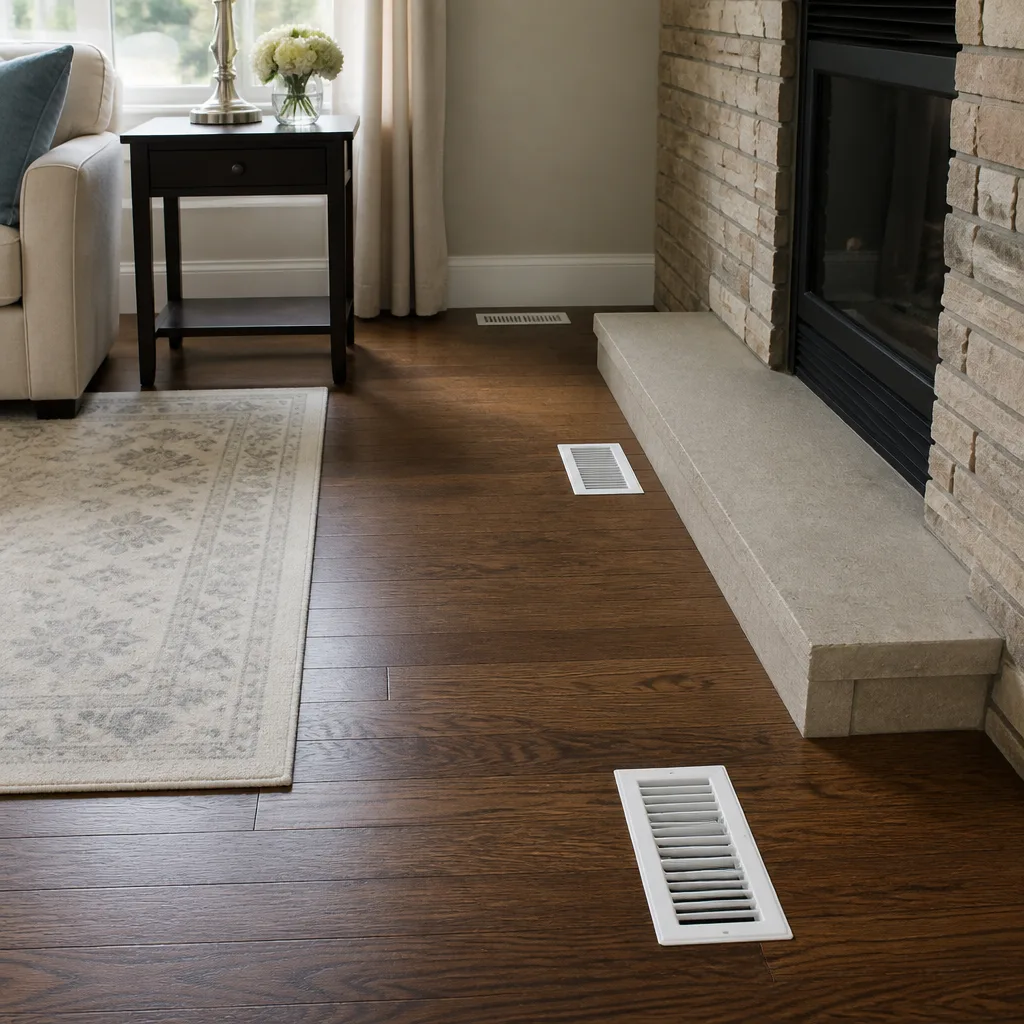 Whole-home duct cleaning
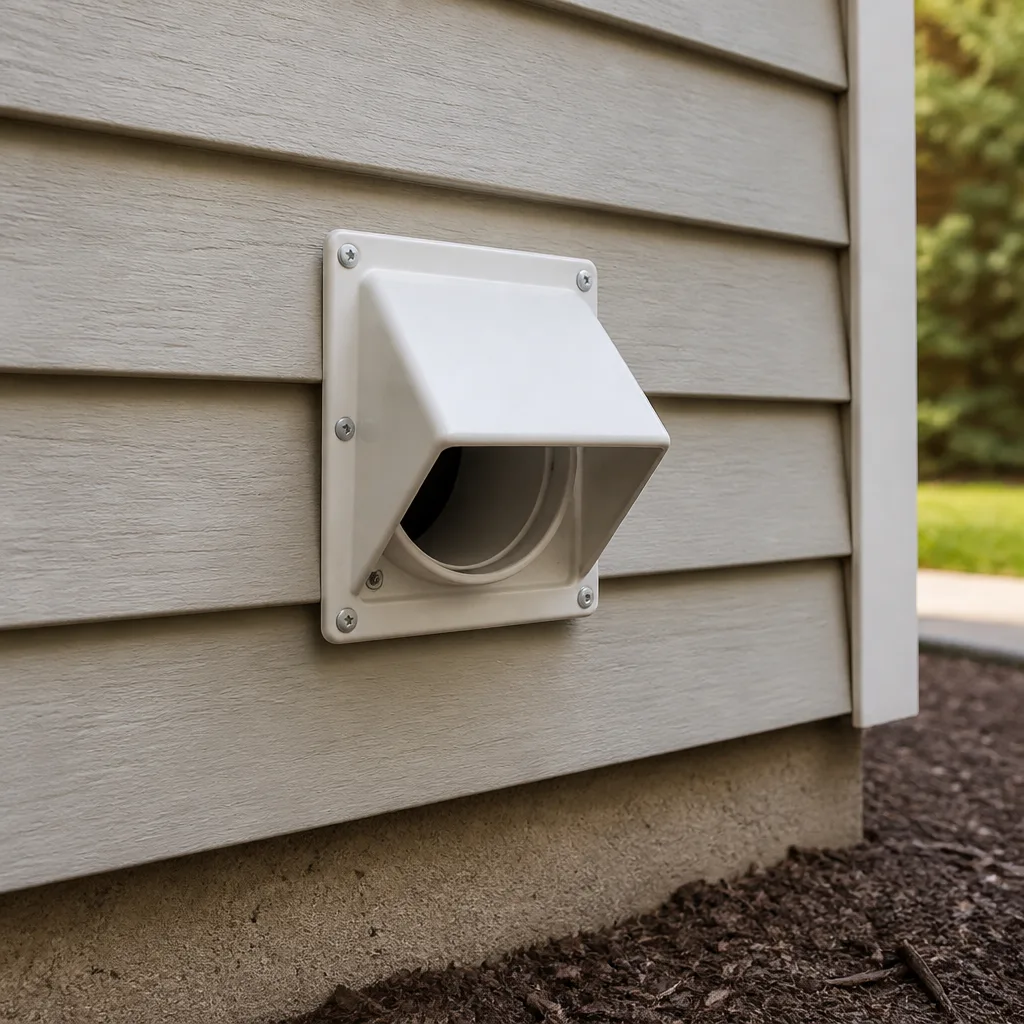 Dryer vent cleaning
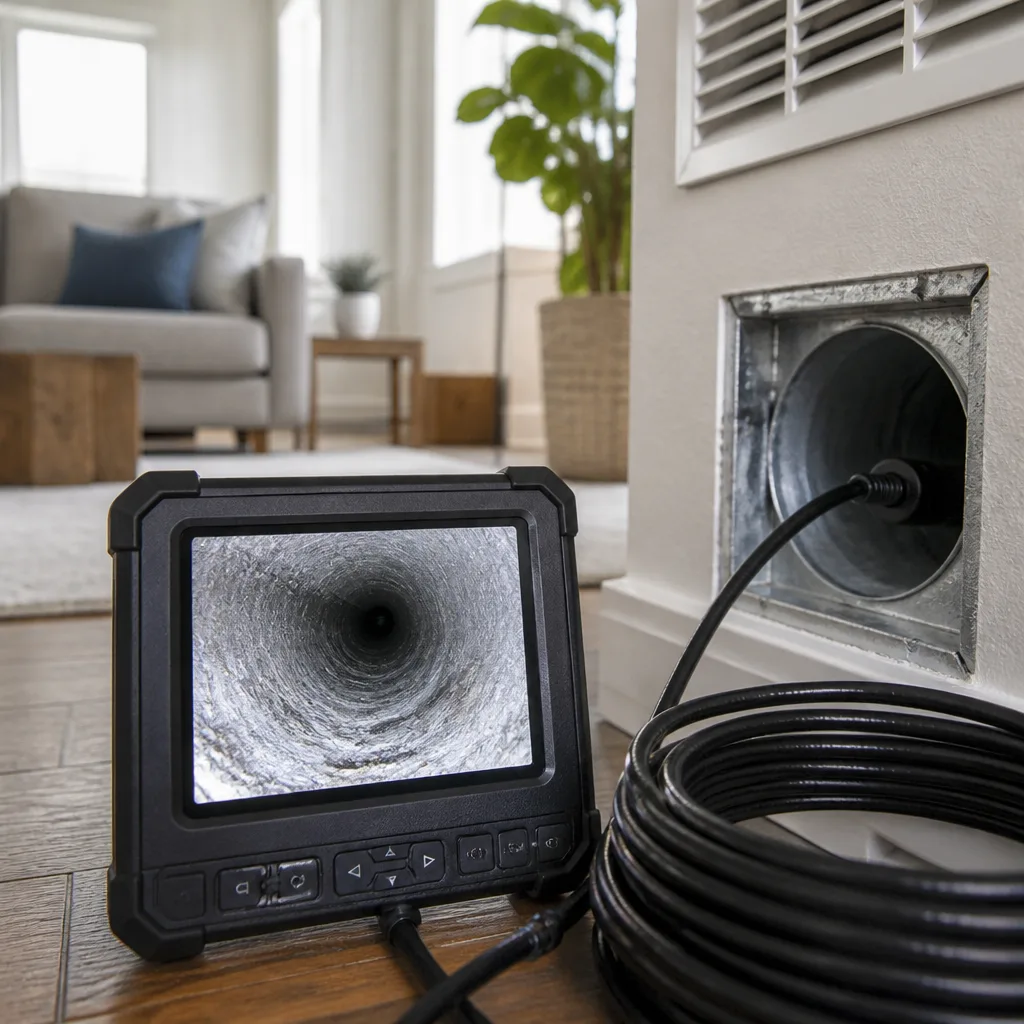 Camera inspection
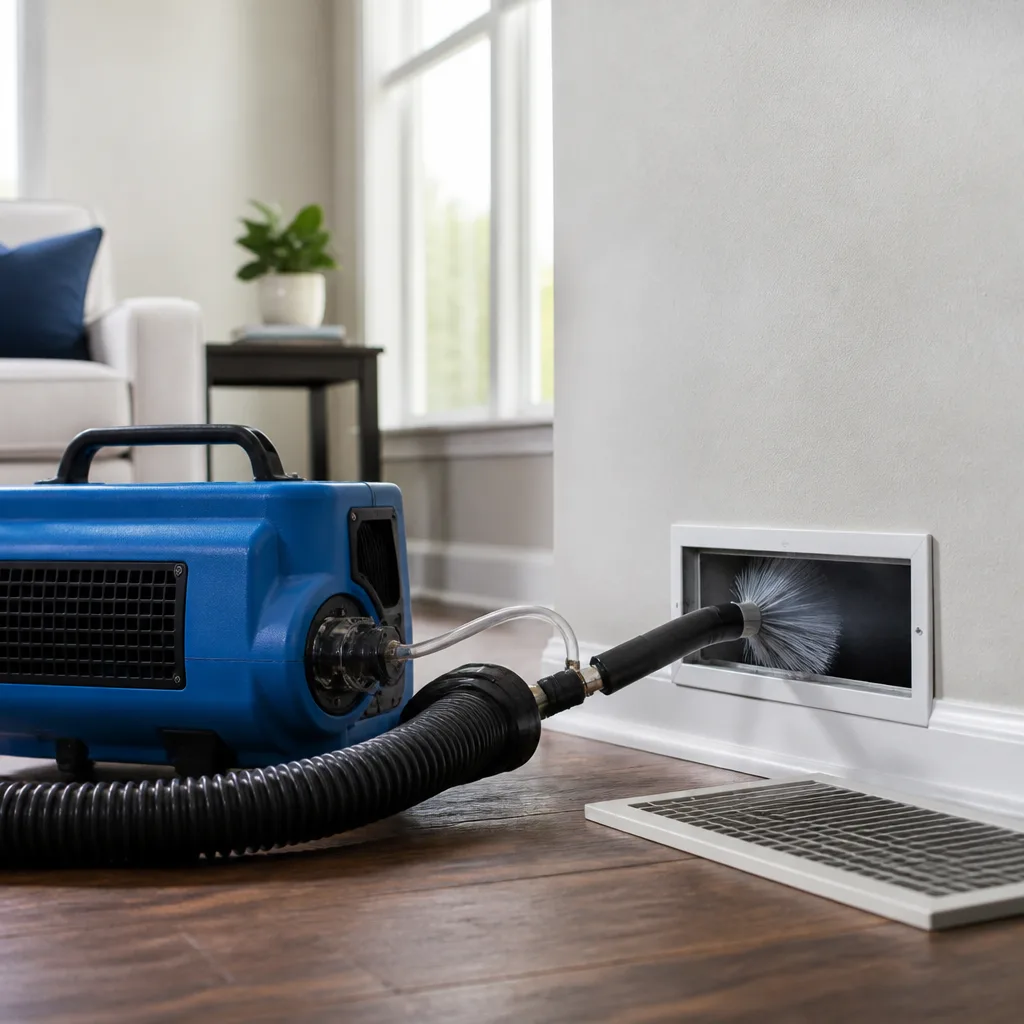 Sanitizing & deodorizing
Whole-system duct and dryer vent check with before-and-after photos - you see exactly what came out of your vents
That "$99 whole-house special" is a bait ad - the real number appears once they are in your hallway, or the "clean" is a shop-vac at the register. We photograph the inside of your ducts before and after instead.
Air Duct Cleaning Permits, Codes & Inspections in Brockton, MA: What You Need to Know
If a contractor finds mold in your Brockton ductwork and offers to handle the remediation on the spot, without a separate scope of work and a separate contract, that’s not efficiency. That’s a liability gap, and it lands on you. Here’s the part most homeowners never hear: cleaning ducts doesn’t require a permit in Massachusetts, but several of the things that get pitched alongside it do, and the line between “cleaning” and “regulated work” is where money and paperwork go wrong. This guide covers what actually triggers a code requirement in Brockton, which state regulations apply, what your local Board of Health does with indoor air quality complaints, and what to keep after any duct job.
Quick Answer
Air duct cleaning itself does not require a permit in Massachusetts, and neither does routine dryer vent clearing. Permits and code requirements activate when the work crosses into duct sealing or replacement (mechanical permit territory under the Massachusetts State Building Code, 780 CMR), mold remediation (Massachusetts Board of Registration regulations under 410 CMR, plus local Board of Health involvement), or anything that alters the mechanical system itself. If a contractor starts bundling those into a cleaning invoice without separate paperwork, stop and ask questions.
Styles & brands we work with
- Whole-home duct cleaning
- Dryer vent cleaning
- Camera inspection
- Sanitizing & deodorizing
Table of Contents
- Does air duct cleaning require a permit in Brockton?
- When Massachusetts mold regulations (410 CMR) kick in
- Duct sealing and replacement: the 780 CMR mechanical permit
- How Brockton’s Board of Health handles indoor air quality complaints
- Duct cleaner vs. licensed mold remediator: the liability difference
- What paperwork to keep after any duct work in Brockton
- What an inspection actually looks like
- Common mistakes to avoid
Does Air Duct Cleaning Require a Permit in Brockton?
No. Cleaning the inside of an existing duct system is maintenance, and maintenance doesn’t require a building permit in Brockton or anywhere else in Massachusetts. The cleaning company opens registers, runs the equipment, captures the debris, and closes everything back up. Nothing structural changes, nothing mechanical changes, and no inspection is triggered.
What confuses people is that duct work in Brockton isn’t always pure cleaning. Older housing stock makes that gap wider than it looks on paper. Plenty of Brockton homes were built with duct systems, or had them retrofitted into spaces that weren’t designed for them, and those ducts have had decades to develop seam separation, crushed runs, disconnected joints, and panned returns that no longer seal. A genuine cleaning visit sometimes turns up a repair. A repair sometimes crosses into permit territory. The permit follows the repair, not the cleaning.
Here’s a plain breakdown of what triggers what:
- Cleaning the interior of existing ducts – no permit
- Dryer vent clearing – no permit
- Replacing a register or grille with a same-size unit – typically no permit
- Adding a new supply or return run – mechanical permit, 780 CMR
- Sealing ducts as part of an alteration to the mechanical system – mechanical permit in most cases
- Replacing a section of duct or a trunk line – mechanical permit
- Mold remediation in the duct system – contractor licensing under 410 CMR applies, and the local health department may need to be involved
If you’re simply booking air duct cleaning because your house is dusty, none of this applies to you. Read on anyway. It applies the moment someone tells you more work is needed, and that conversation is where homeowners get caught out.
When Massachusetts Mold Regulations (410 CMR) Kick In
Massachusetts regulates mold remediation through 410 CMR, the regulations governing the Board of Registration of Hazardous Waste Site Cleanup Professionals, which sets the framework for how mold assessment and remediation work is scoped, performed, and documented. The practical takeaway for a Brockton homeowner is simple: if visible mold is found inside the duct system during a cleaning, the job has changed. It’s no longer a cleaning job. It’s a remediation job with its own rules about assessment, containment, and clearance.
What that means in the field matters. Mold in ductwork is usually a symptom, not the problem itself. Something is feeding it. In Brockton that’s often a combination of basement and crawlspace humidity, ducts running through unconditioned spaces, and condensation forming on cold sheet metal during humid stretches. Cleaning the mold off the duct walls without addressing the moisture source means it comes back, and it comes back fast.
A proper response follows a sequence:
- Assess the extent. How much of the system is affected? Is it surface growth on accessible duct interior, or has it spread into insulation lining, flex duct, or the air handler?
- Contain the area. This is where negative-air equipment matters. Abatement Technologies negative-air machines hold the affected zone under pressure so dislodged spores don’t travel into living space while work is underway.
- Clean with HEPA-filtration capture. Nikro HEPA-rated vacuums paired with rotary-brush agitation remove the growth from the duct surface rather than just loosening it.
- Address the moisture source. A remediation without moisture correction is a repeat job waiting to happen.
- Document and verify clearance. Written scope, before-and-after photographs, and where required, post-remediation verification.
We’ve seen plenty of duct systems where a “mold treatment” amounted to a spray and a promise. That’s not remediation. It’s a surface treatment with no documentation behind it, and if the issue resurfaces later, you have nothing to show for the money.
Duct Sealing and Replacement: The 780 CMR Mechanical Permit
The Massachusetts State Building Code, 780 CMR, governs mechanical work including duct systems. Cleaning is maintenance and sits outside that scope. Sealing, altering, extending, or replacing ductwork sits inside it, and in most cases requires a mechanical permit pulled from the local building department.
A permit isn’t a formality, and it isn’t a hassle the contractor is doing you a favor by skipping. It triggers an inspection. The inspector confirms that the work matches the approved scope, that duct materials and connections are appropriate, and that the system hasn’t been altered in a way that compromises it. That inspection protects you, not the contractor. If you sell the house later and a buyer’s inspector finds unpermitted mechanical work, you own the problem.
Where Brockton homeowners get surprised is the crossover between “repair” and “alteration.” Reconnecting a disconnected joint that came loose is a repair. Replacing a collapsed flex run with a new one is a repair. Adding a run to serve a finished basement, or reconfiguring a trunk line to fix a chronic pressure imbalance, is an alteration. The first two are routine. The second two want a permit.
The other piece worth understanding: duct sealing has a legitimate energy story attached to it, and contractors know it. Properly sealed ducts reduce the amount of conditioned air lost before it reaches a room, which is why a leaky system in a Brockton home with ducts running through a cold basement or a hot attic shows up as uneven room temperatures and high bills. That’s a real benefit. It’s also the sales hook used to upsell sealing to homeowners who came in for a cleaning. Ask for the scope in writing, ask whether a permit is required for that scope, and get the answer before the work starts. If you’re seeing a genuine air duct repair need, that’s a conversation worth having. Just have it on paper.
How Brockton’s Board of Health Handles Indoor Air Quality Complaints
The Brockton Health Department handles local public health matters, including housing conditions that affect indoor air quality. If you have a mold or contamination issue in your home and a landlord or contractor is dragging their feet, the health department is the local channel for a complaint. The key word is documentation. A complaint that says “my house smells musty” goes nowhere useful. A complaint with dates, photographs, contractor reports, and a clear description of what’s been found and what’s been done gets traction.
Renters in Brockton have a specific advantage here. Housing code enforcement runs through the health department, and mold or moisture conditions that make a unit unhealthy can be addressed through that channel when a landlord won’t act. Owners use it less often, but it’s still a legitimate route when a remediation job has gone badly or a contractor has left a unit in worse condition than they found it.
What the health department does not do is act as your general contractor, tell you which company to hire, or perform duct cleaning for you. It receives complaints, may inspect, and may issue orders. The work still needs a qualified provider.
If you’re filing anything, assemble this first:
- Photographs of visible mold or contamination, with dates
- The written scope from any contractor who has assessed the system
- Before-and-after photographs from any work already performed
- Receipts and invoices showing what was done and by whom
- A short written timeline of when the problem started and what’s been tried
That package is useful whether you’re dealing with a landlord, an insurer, or the health department itself, and it takes half an hour to put together. Build it as you go, not after.
Duct Cleaner vs. Licensed Mold Remediator: The Liability Difference
This is the section that matters most, so it gets stated plainly. Cleaning ducts and remediating mold are two different activities with different scope, different equipment requirements, and different credentials. A duct cleaning company that also offers mold remediation is not automatically doing anything wrong, but you should be asking what license, certification, or registration covers that remediation work, and you should be getting a separate written scope for it.
Here’s why it’s your problem and not just theirs. If remediation is performed by a party without the proper credentials and the problem comes back, the path to recourse is much shorter than it should be. Your insurer may question the claim. A future buyer’s inspector may flag it. The contractor may point at proper cleaning and disclaim responsibility for the mold. Meanwhile, you’re the one holding a house with a recurring moisture problem and paperwork that doesn’t clearly assign responsibility for it.
The pattern to watch for is bundling. A cleaning quote comes in at a number, the technician arrives, finds contamination, and offers to take care of the whole thing right now for an additional amount with no separate contract. Efficient? Sure. Safe? No. What a proper arrangement looks like:
- A written scope for the cleaning, priced separately
- A separate written scope for any remediation, naming the credentials covering the work
- Containment and filtration equipment appropriate to remediation, not just cleaning
- Before-and-after documentation for both phases, clearly labeled
- Clear language assigning responsibility if the issue recurs
We clean ducts and repair duct systems. We use Nikro HEPA-rated vacuum systems and Abatement Technologies negative-air machines because those are the right tools for capturing what gets dislodged, and we’ll tell you plainly when a job has crossed into remediation territory and needs a scope we’re not putting on a cleaning invoice. That line exists for your protection.
What Paperwork to Keep After Any Duct Work in Brockton
Most homeowners keep the invoice and throw everything else away. Then, three years later, an insurance claim or a home sale puts them in a position where they need to prove what was done, when, and by whom. Keep the full package. It costs nothing to keep and it’s the difference between a claim that moves and one that stalls.
What to retain, and why each piece matters:
- The written estimate or scope of work. This is the single most important document. It should describe exactly what would be cleaned or repaired, what equipment would be used, and what the flat price covers. This is what proves the job was defined before it started.
- Before-and-after photographs of your own system. Ask for these and keep them. They’re your evidence that the work was performed and performed properly, which matters for insurance and for anything a future inspector raises.
- The final invoice showing the flat price per system. If the invoice doesn’t match the estimate, that’s a red flag worth addressing while the job is fresh.
- Any mechanical permit documentation, if sealing or replacement work required one. The permit number and the inspection sign-off are worth keeping with the house records.
- Remediation clearance documentation, if any remediation was performed. Written verification that the work met a defined standard.
- Records of any related work, including dryer vent cleaning. Dryer vents get flagged during home inspections, and a dated record showing the vent was cleared is useful to have.
For real estate disclosure in Massachusetts, the question isn’t whether ducts were cleaned. It’s whether there’s a known condition affecting the property. A documented cleaning with before-and-after photographs is the clean answer. A vague memory of “someone cleaned those a while back” isn’t.
What an Inspection Actually Looks Like
There are three different inspections that come up in duct work conversations, and mixing them up causes confusion about what a homeowner should expect.
- The cleaning verification. This isn’t a code inspection. It’s the documentation a professional cleaning company provides to prove the work was done. Before-and-after photographs of the accessible duct interior, showing the visible change, are the standard. Accessible is the operative word. Some of the system can’t be seen without cutting into it, so any honest provider will tell you exactly what was photographed and what wasn’t.
- The mechanical inspection. Triggered only when a permit was pulled for mechanical work. A building department inspector visits, checks that the work matches the approved scope, and signs off. If no permit was required, there’s no inspection, and any contractor who claims otherwise is either confused or telling you something for their own convenience.
- The post-remediation verification. Applies when mold remediation was performed. Verification against a defined standard, documented in writing, performed by an appropriate party.
An inspection is not the same thing as an assessment, and it’s not the same thing as a sales visit dressed up as one. If someone arrives, walks through the house with a flashlight, and immediately produces a quote for remediation, that’s a sales call. A real assessment comes back with specifics: which parts of the system, what was found, what the moisture situation is, and what the documentation shows.
In our experience, most duct systems in Brockton fall into one of three buckets. Systems that need cleaning and nothing else. Systems that need cleaning plus a straightforward repair to a disconnected or crushed run. And systems that need a moisture correction before any cleaning makes sense. Sorting which bucket you’re in is the first job.
Common Mistakes to Avoid
- Accepting remediation on a cleaning invoice. If mold is found mid-job and offered as an add-on with no separate scope, decline and ask for a separate written proposal that names the credentials. It’s a small delay for a large amount of protection.
- Assuming a permit isn’t needed for duct sealing. Alterations to the duct system typically require a mechanical permit under 780 CMR. Many homeowners never learn this until a sale inspection surfaces the issue, and by then the paperwork trail is cold.
- Throwing out the photographs. Before-and-after photos of your own system are the single best evidence that work was done. Keep them with the invoice, in a folder that survives phone changes.
- Hiring a mold company and a duct company separately, then wondering who owns the outcome. When a remediation answer and a cleaning answer need to fit together, someone has to take responsibility for the connection. Agree on who that is before work begins.
- Treating a musty smell as a cleaning problem. A musty smell after cleaning is a moisture signal. If it returns, the issue is the moisture source, not a lack of cleaning. That’s a different scope of work.
- Letting a technician loose with a shop vacuum on flex duct. Repurposed shop equipment can tear flex duct lining and redistribute debris into living space. Rotobrush rotary-brush systems and HEPA-rated vacuums exist specifically because that equipment is not appropriate for this work.
- Not asking what happens if the problem returns. Every company has an answer. If the answer isn’t on the paperwork in writing, you don’t have one.
See the difference
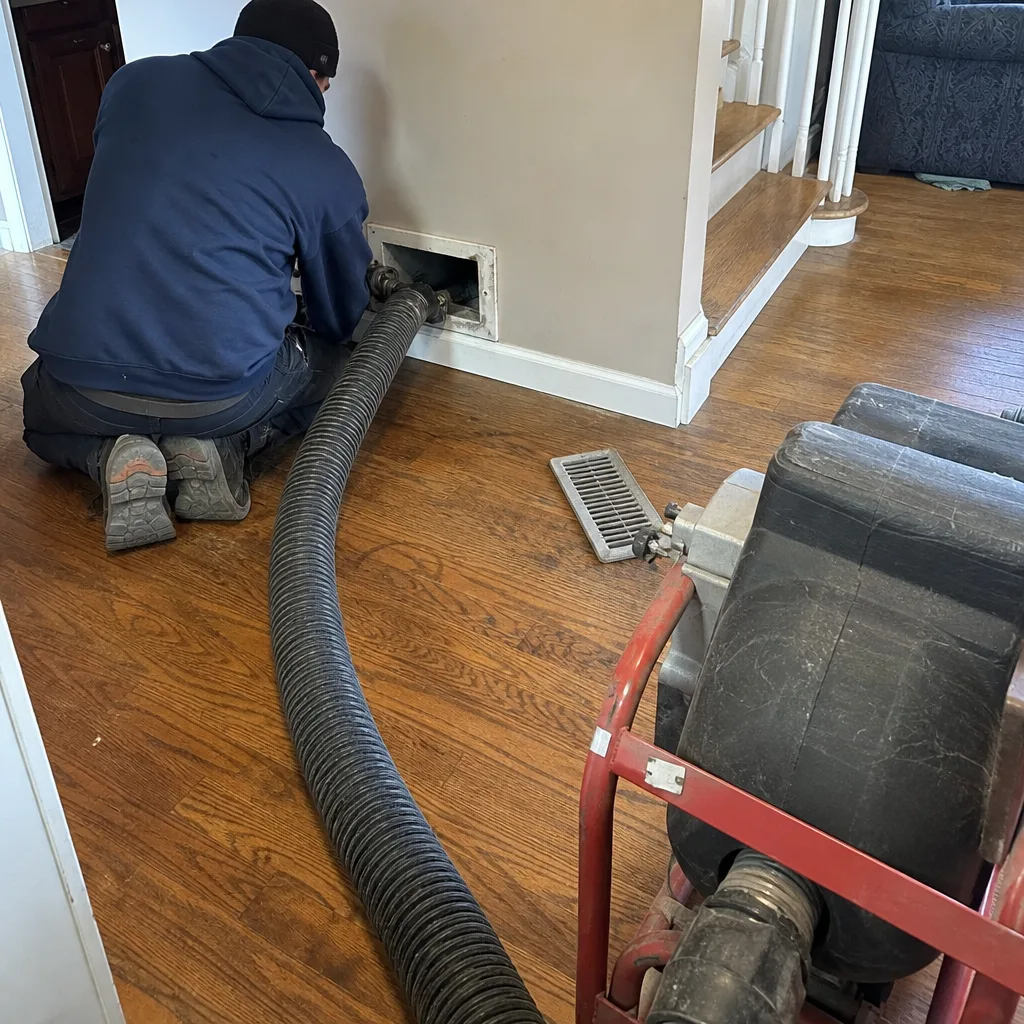 Before
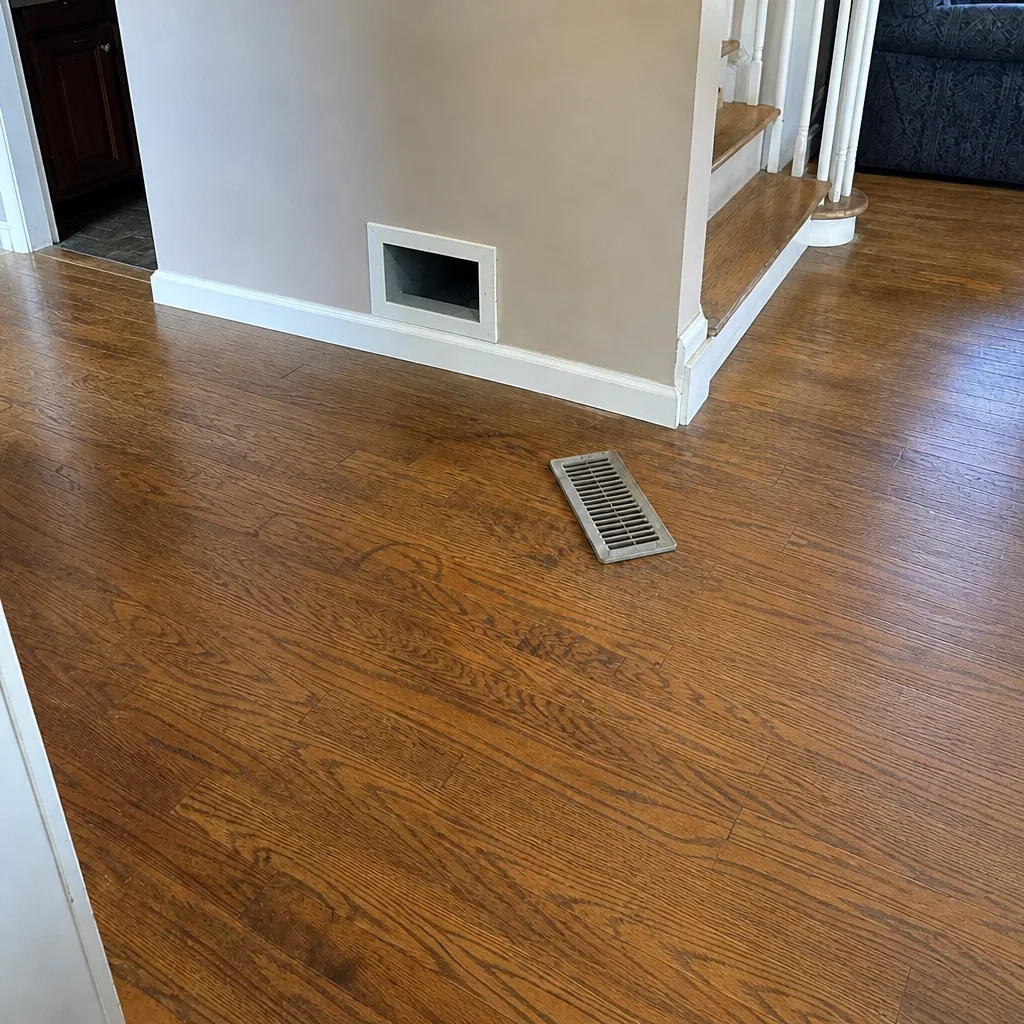 After
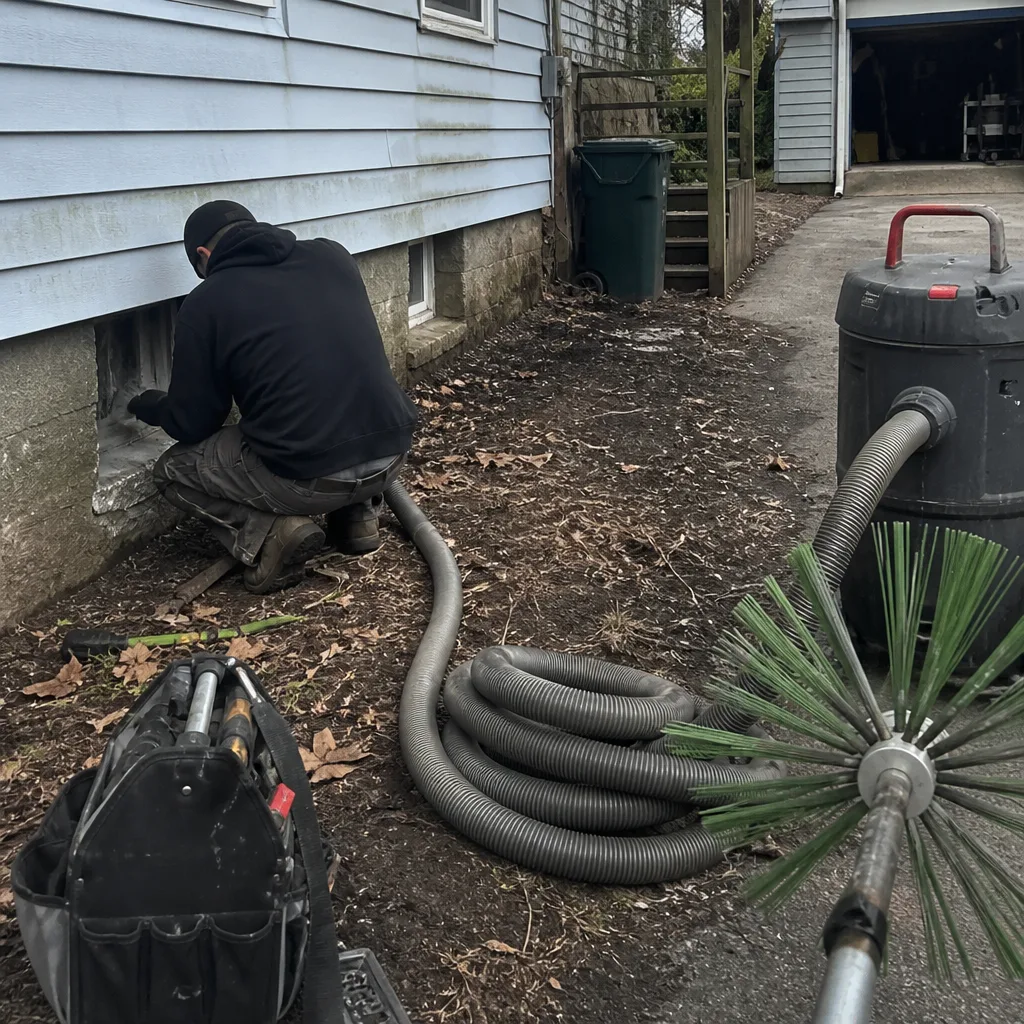 Before
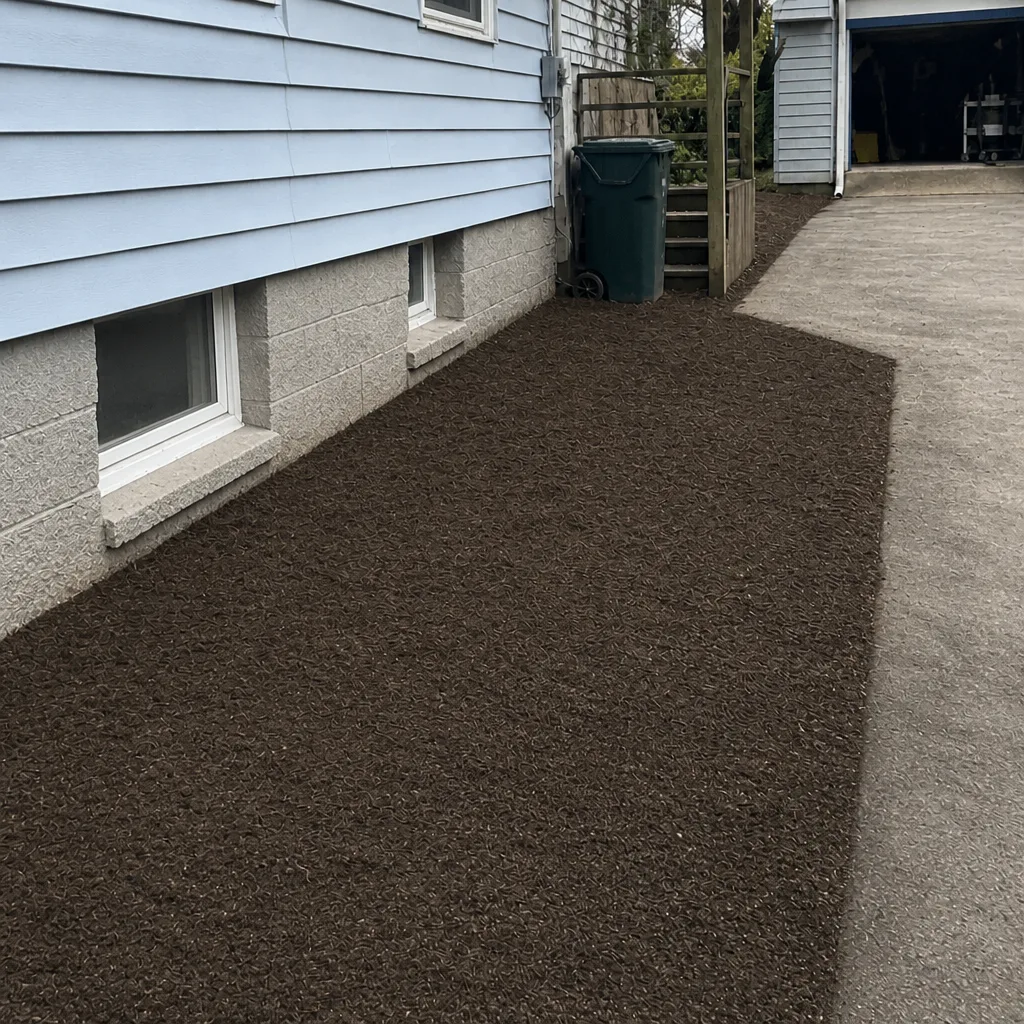 After
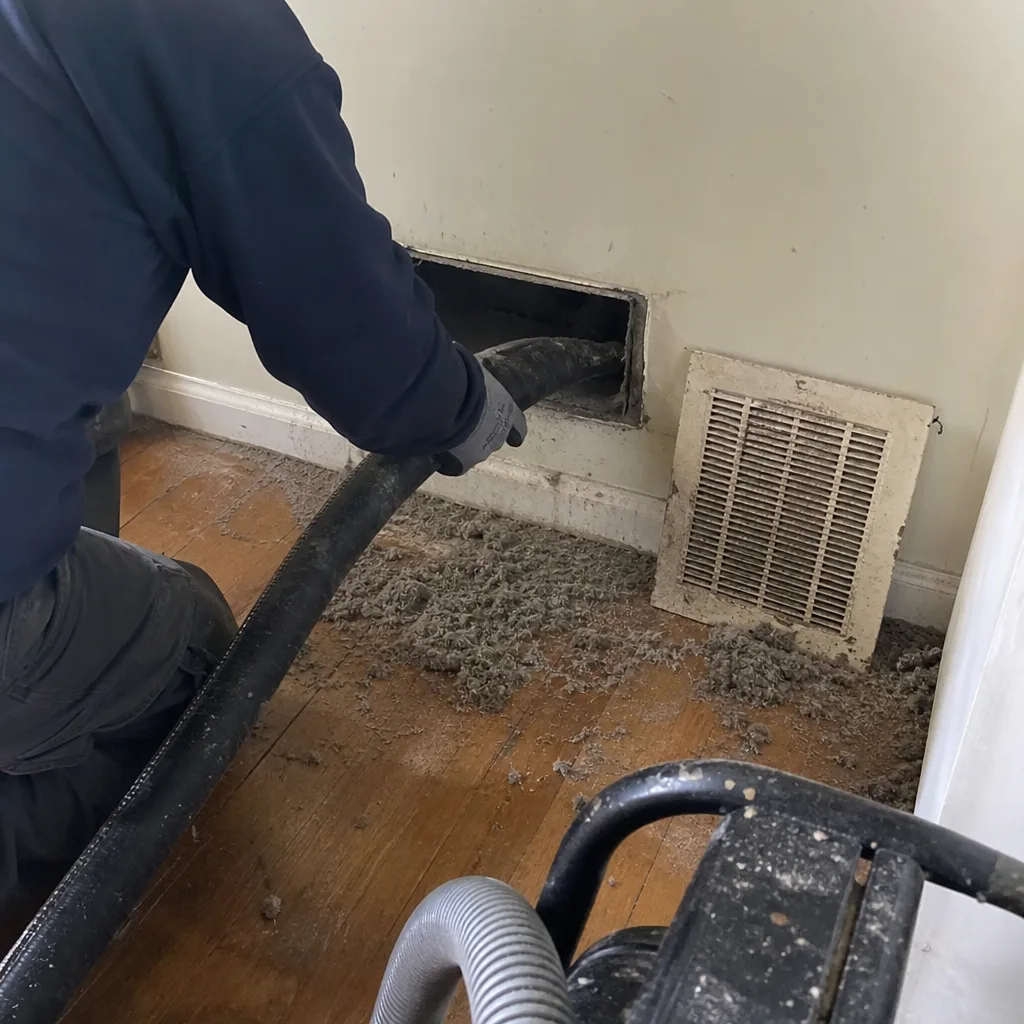 Before
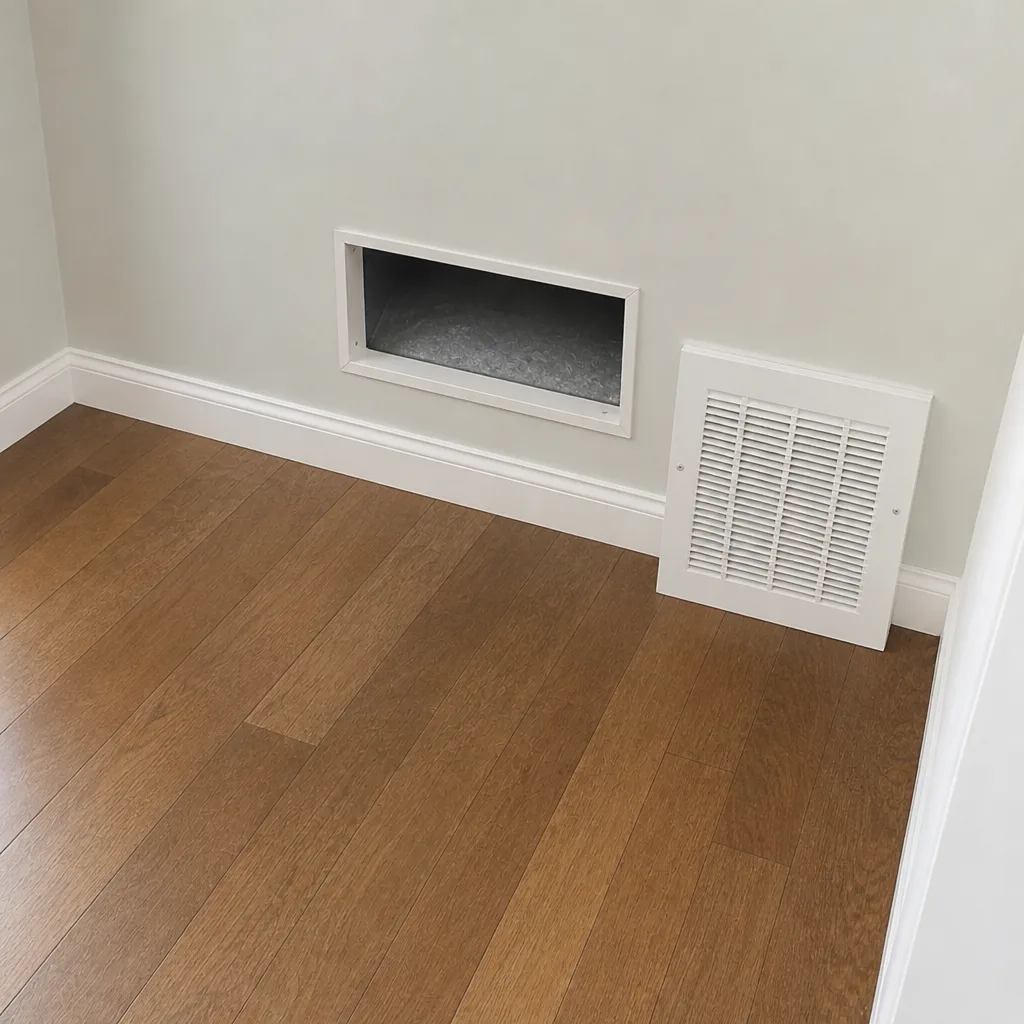 After
When to Call a Professional
Call when the dust in your home has become more than a regular cleaning chore, when allergy symptoms get worse when the system runs, when you notice a musty smell in a room that air blows into, or when a home inspector or HVAC contractor has flagged the duct system. Call if you’ve bought a Brockton home and don’t know whether the ducts have ever been cleaned. Call before you authorize any duct sealing or replacement, so the scope and permit question get answered by someone who works on duct systems daily rather than by whoever shows up. And call if a contractor has quoted remediation, because a second look at a remediation scope is worth the phone call.
Duct Cleaning Brockton offers free estimates in Brockton, with one flat price per system agreed before work starts and before-and-after photographs of your own system when the job is done. Call (844) 834-2553.
Frequently Asked Questions
No. Cleaning the inside of an existing duct system is maintenance, not construction, and it doesn’t require a permit in Brockton or anywhere in Massachusetts. A permit only enters the picture if the work turns into duct alteration, sealing, or replacement, or if mold remediation is involved. Call (844) 834-2553 for an exact quote on cleaning, and we’ll tell you plainly if what you’re describing needs more than that.
410 CMR is the Massachusetts regulation governing mold remediation, covering how remediation work is scoped, performed, and documented. It matters to you because if visible mold is found inside your ducts during a cleaning, the job has moved from cleaning into remediation, with its own rules and its own paperwork. Call (844) 834-2553 before authorizing any remediation on a cleaning invoice.
In most cases, yes. Sealing or altering a duct system is mechanical work governed by 780 CMR, and it typically requires a mechanical permit pulled from the local building department. Straightforward repairs to a disconnected or crushed run usually don’t. Call (844) 834-2553 and we’ll walk through what your scope actually involves.
Pricing is per system and quoted by a written estimate, not per vent and not by a coupon figure that changes once the technician is on site. That flat structure is the whole point: you know the number before work begins, and that number is the one on the invoice. Call (844) 834-2553 for a free estimate.
Because they’re often quoting less work, less equipment, or both. A low quote attached to a shop vacuum and a few hours isn’t the same service as rotary-brush agitation paired with HEPA-rated vacuum capture and negative-air containment of the dislodged debris. Ask what equipment is being used before comparing prices. Call (844) 834-2553 for an estimate that’s based on what your system actually needs.
Ask for before-and-after photographs of your own system, and keep them. Photographs of some other house prove nothing. You should also have a written scope describing what was cleaned, and a final invoice that matches the price you agreed to. Call (844) 834-2553 to book a cleaning with documentation included.
It’s worth doing, and it’s a separate job from duct cleaning with its own benefit. Dryer vent lint accumulation is a documented fire hazard, and it also slows drying times. Keep the dated record of the vent clearing with your other home paperwork, since it comes up during home inspections. Call (844) 834-2553 to add it to a visit.
Document first, then escalate through the Brockton Health Department. Photographs with dates, any contractor reports, and a written timeline are what make a complaint actionable. Keep every piece of it, because the same package supports a claim or a code complaint. Call (844) 834-2553 if you want a written assessment to include in your documentation.
The Bottom Line
Cleaning ducts in Brockton doesn’t need a permit. Duct sealing, duct replacement, and mold remediation do carry code and licensing requirements, and that’s the line most homeowners don’t find out about until it’s expensive. The rule to carry away from this guide: whenever a cleaning visit turns into recommended additional work, slow down. Ask for a separate written scope. Ask which permit or credential applies to that specific work. Ask for the before-and-after photographs. A company that does this properly won’t hesitate on any of those questions, and a company that does should raise your eyebrows. Keep the paperwork. It’s worth more than the space it takes up.
If your ducts need attention, or you want an honest read on whether the work you’ve been quoted is cleaning, repair, or something that needs a separate scope, Duct Cleaning Brockton offers free estimates. Call (844) 834-2553. We answer 24/7. Fast dispatch from 7am to 7pm, Sunday through Friday.
Learn more about duct cleaning in Brockton and how our approach to Brockton homes is built around professional-grade equipment and documentation you can keep.
Written by the team at Duct Cleaning Brockton.