
Last updated November 16, 2026
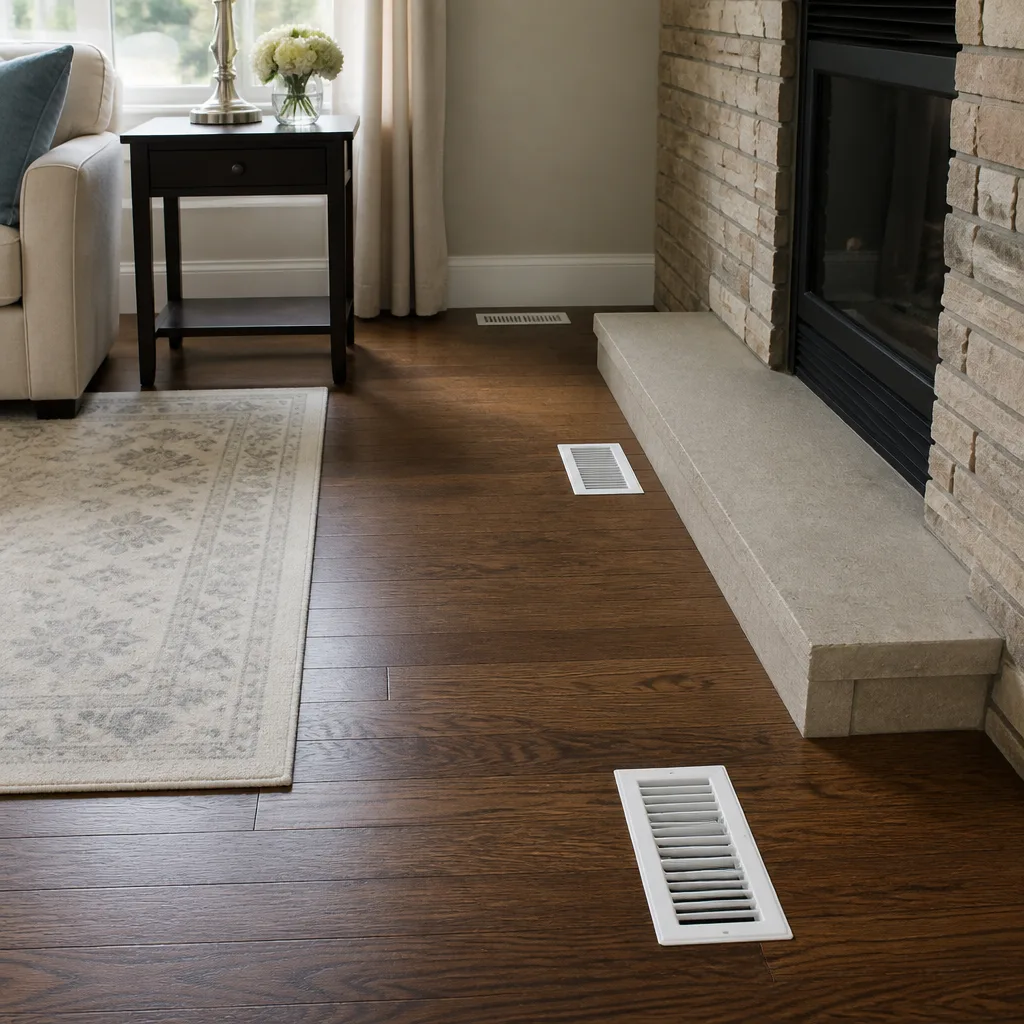 Whole-home duct cleaning
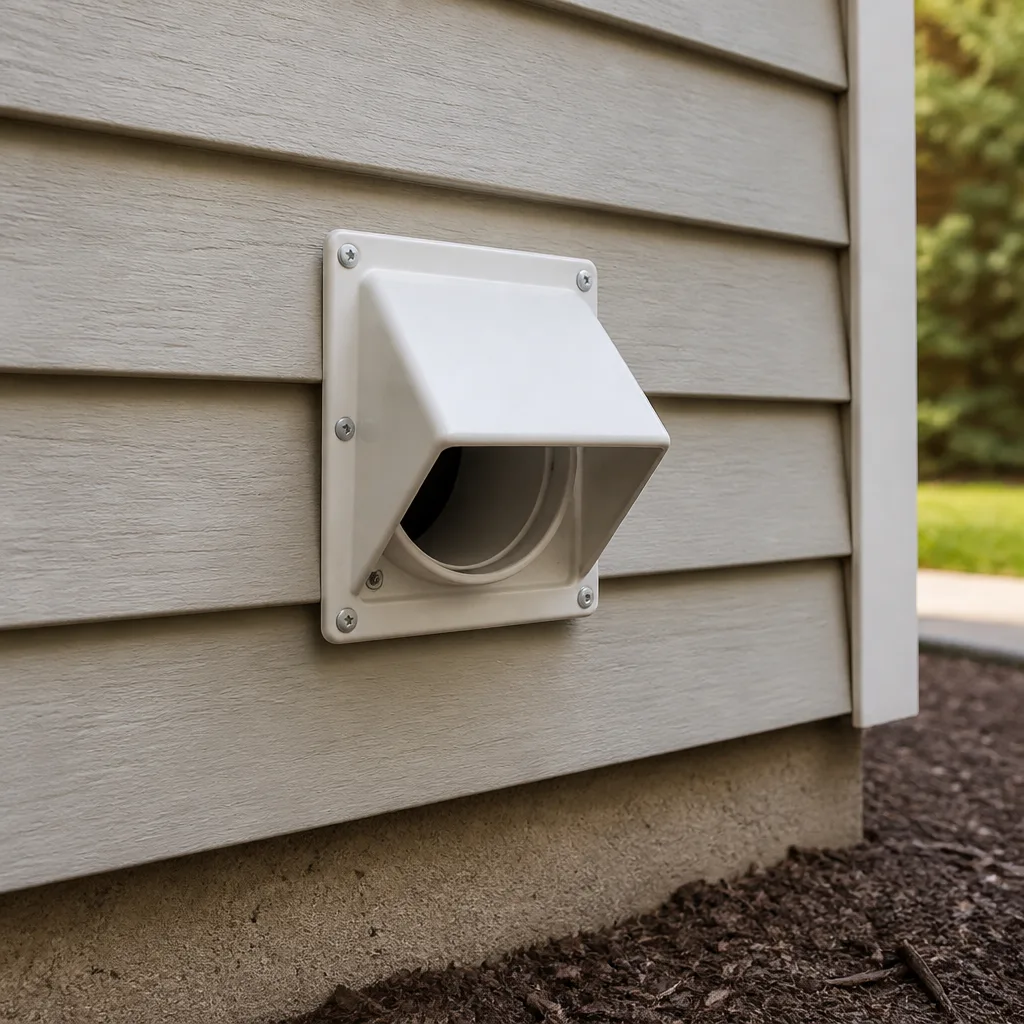 Dryer vent cleaning
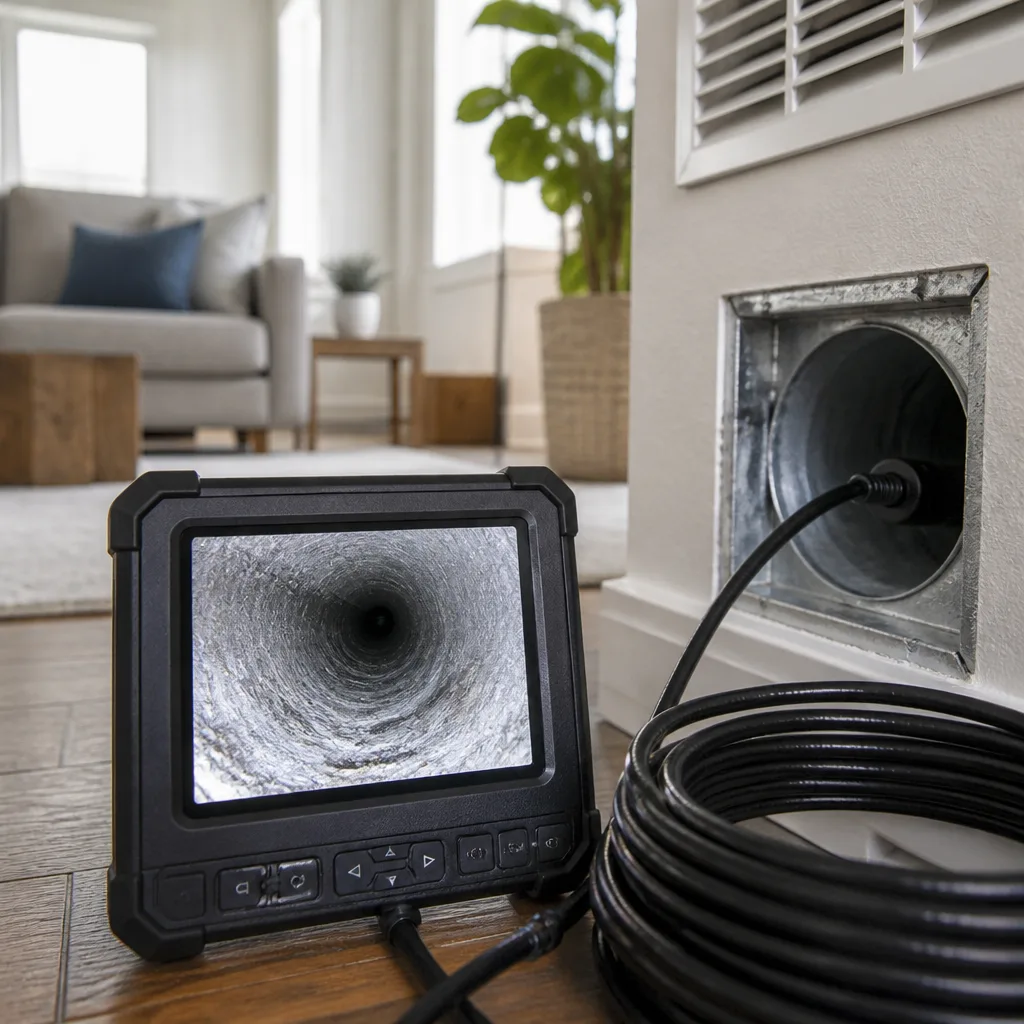 Camera inspection
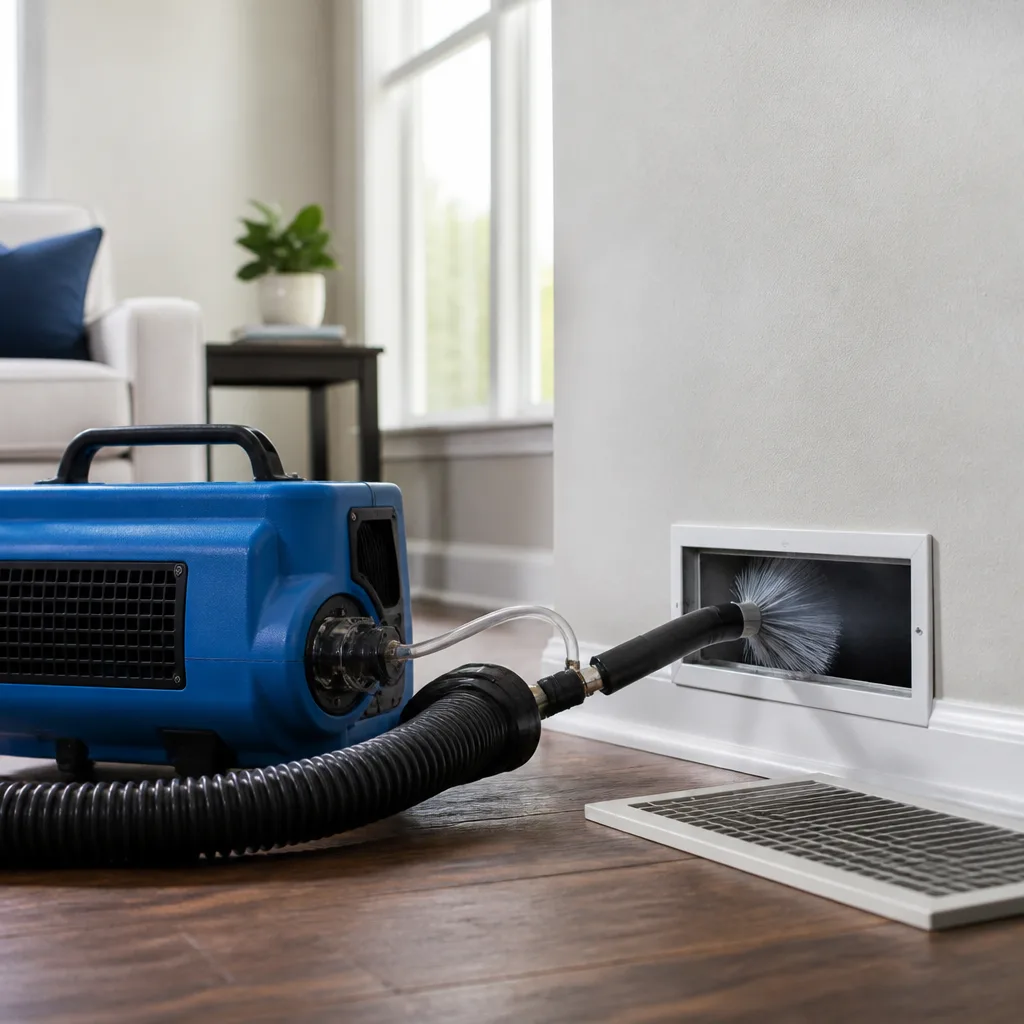 Sanitizing & deodorizing
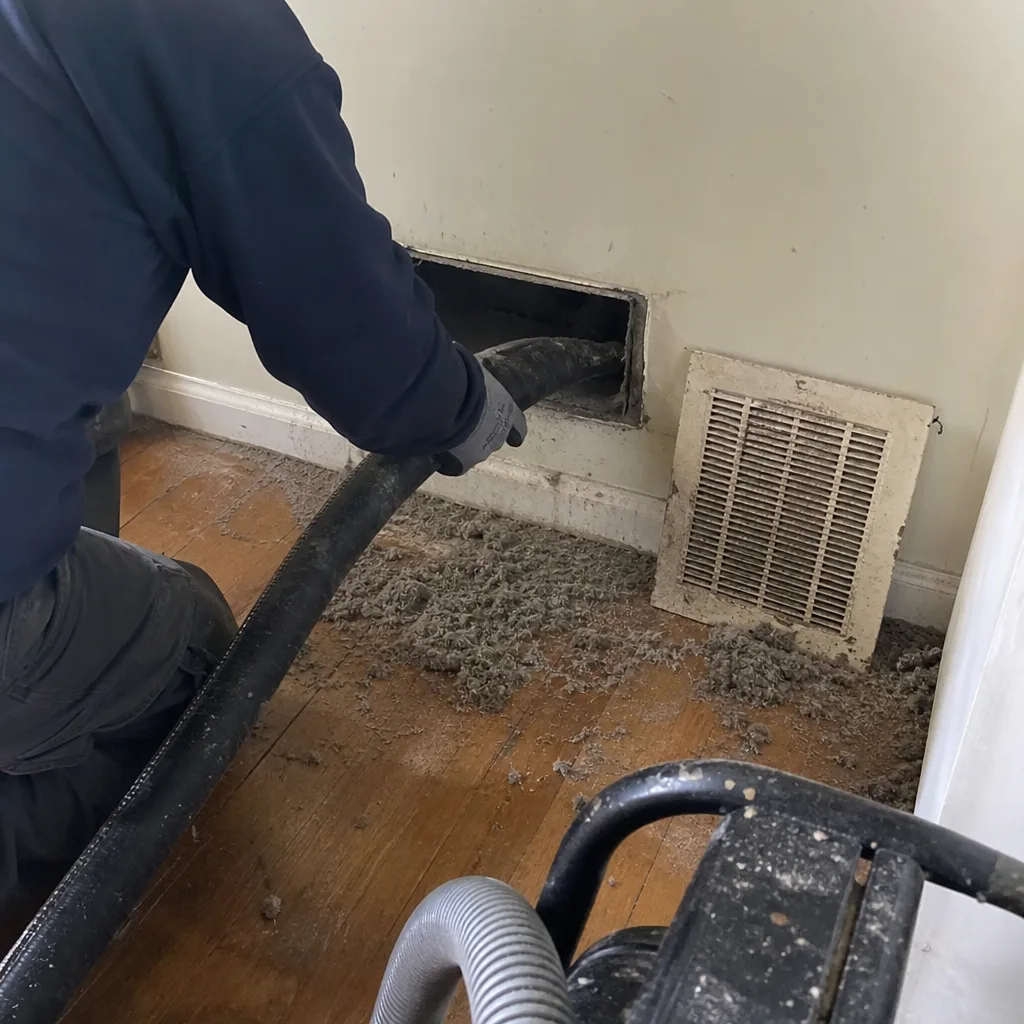
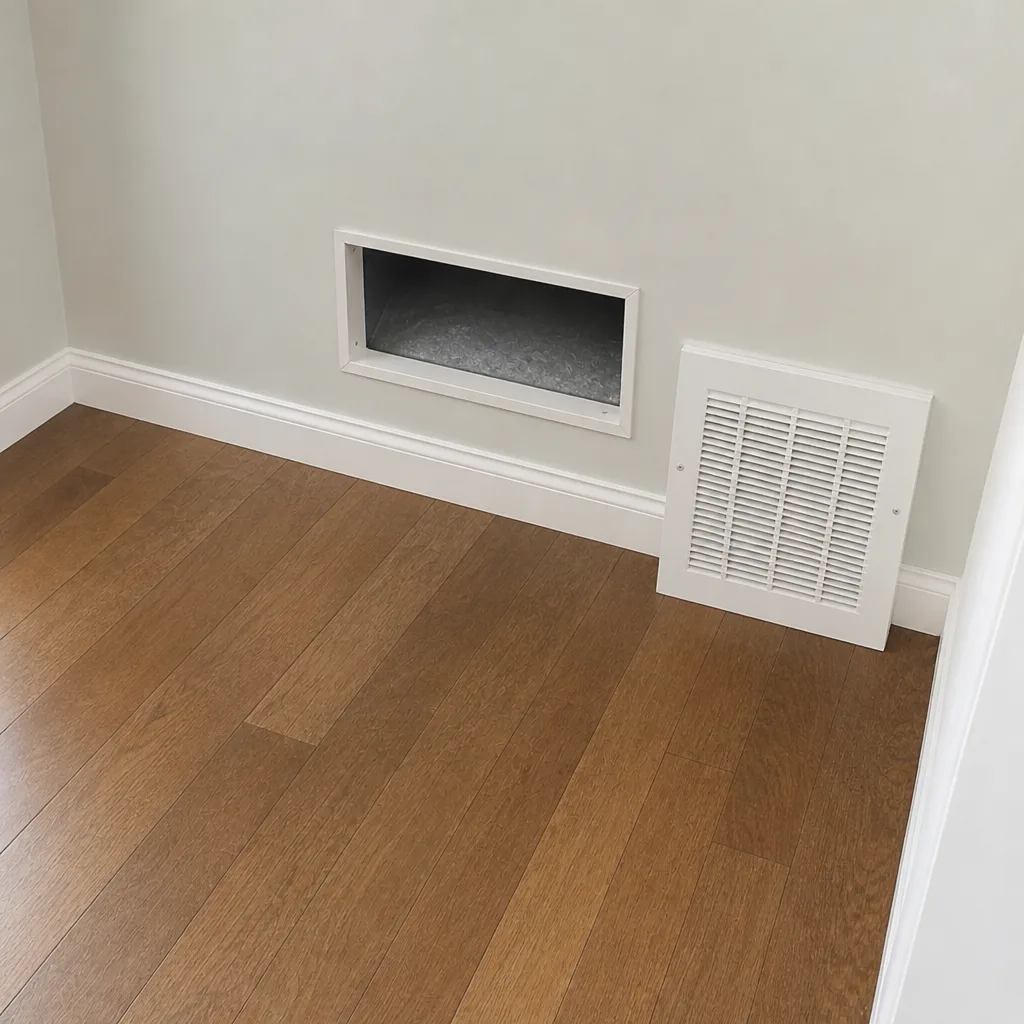
Whole-system duct and dryer vent check with before-and-after photos - you see exactly what came out of your vents
That "$99 whole-house special" is a bait ad - the real number appears once they are in your hallway, or the "clean" is a shop-vac at the register. We photograph the inside of your ducts before and after instead.
How to Hire an Air Duct Cleaning Contractor in Brockton: A Step-by-Step Guide
The Brockton area has seen a surge in $99 duct cleaning offers since 2022, and the FTC has documented this exact pricing pattern as a bait-and-switch tactic used across HVAC-adjacent services nationwide. The low teaser price is real. What it buys rarely is. Most homeowners assume the hard part is finding the cheapest quote, when the hard part is actually figuring out whether the company on the other end of the phone owns professional remediation-grade equipment or bought a truck attachment last spring. This guide gives you the exact vetting process to tell the difference, from reading a Massachusetts HIC registration to asking five questions a low-bid operator simply cannot answer. By the end you’ll know how to hire an air duct cleaning contractor in Brockton with confidence.
Quick Answer
To hire an air duct cleaning contractor in Brockton, verify the company’s Massachusetts Home Improvement Contractor (HIC) registration, confirm it uses professional rotary-brush and HEPA vacuum equipment (Rotobrush, Nikro, or equivalent) with a containment method, ask for a whole-system flat price rather than a per-vent figure, and require post-job verification such as before-and-after photos of your own ducts. A legitimate proposal will always specify equipment, containment, and verification. A low-bid quote will not.
Styles & brands we work with
- Whole-home duct cleaning
- Dryer vent cleaning
- Camera inspection
- Sanitizing & deodorizing
Table of Contents
- Why the Brockton Market Needs Extra Scrutiny
- Reading a Massachusetts HIC Registration
- Five Questions to Ask Before Booking
- Why NADCA Membership Isn’t Enough on Its Own
- Reading an Equipment Manifest and Technician Certifications
- Red Flags Specific to the Brockton Market
- What a Legitimate Proposal Includes vs. a Low-Bid Quote
- Post-Job Verification: How You Know the Work Was Done
Why the Brockton Market Needs Extra Scrutiny
Brockton’s housing stock is one of the reasons duct cleaning questions come up here so often. A large share of the city’s homes were built before 1980, and older duct systems in that age range frequently have flex-duct transitions, taped joints that have dried and separated, and return runs that were never sealed properly to begin with. That matters for hiring, because a duct system with existing leaks needs a contractor who can identify and repair them, not just one who runs a vacuum through it and leaves the leaks in place.
The regional climate adds another wrinkle. Massachusetts swings from humid summers to deep cold winters, and a heating season that runs for months straight means dust, pet hair, and debris settle into the system and then get pushed back through the house every time the heat comes on. Homeowners in Brockton tend to notice the problem in the fall when the system fires up for the first time and the whole house smells musty. On top of that, the busy Route 24 and Route 27 corridors and the older density around downtown mean exterior dust loads are higher than in a lot of quieter suburbs.
None of that changes the basic rule, but it does raise the stakes. In Brockton, a contractor who cleans without inspecting for leaks is only solving half the problem. That’s why we emphasize both cleaning and repair: a duct specialist who can find and seal a separated joint is worth more than a generalist who cleans around it. If you’re weighing a cleaning against a repair, the air duct cleaning page explains what a full-system job involves.
Reading a Massachusetts HIC Registration
Massachusetts requires home improvement contractors to hold a Home Improvement Contractor (HIC) registration through the Office of Consumer Affairs and Business Regulation. It is a real layer of protection and you should ask for the number on every quote. What it does not do is certify duct-cleaning competence. The HIC registration confirms the contractor is registered to do home improvement work and gives you a formal channel for a complaint. It says nothing about equipment, technique, or whether the technician has ever cleaned a duct system before.
Think of it as the floor, not the ceiling. A registration number proves the company exists on paper and is accountable to a state agency. It does not prove the work will be done well. In our experience working alongside contractors across the region, the HIC check is where a lot of homeowners stop, and that’s exactly where underqualified operators get through the door.
Here’s how to use it properly:
- Ask for the HIC registration number in writing, on the proposal itself, not just verbally over the phone.
- Confirm the name on the registration matches the name on the proposal and the invoice.
- Ask whether the technicians who will actually perform the work are employees or subcontractors. If subcontractors, ask who they are and whether they carry their own coverage.
- Ask for a certificate of insurance and check that it covers the work being proposed.
- Treat the HIC number as one line item in a larger vetting checklist, not the whole checklist.
Massachusetts also sets rules on written contracts for home improvement work above a certain threshold, so a contractor who hands you a one-line quote with no scope of work is already signaling how they operate. For a fuller picture of what we do in the city, see our Brockton page.
Five Questions to Ask Before Booking
These five questions are the fastest filter we know. A legitimate specialist answers all five without hesitation. A low-bid operator deflects, gets vague, or doesn’t understand the question. Ask them before you book, and listen carefully to how the answers come back.
- “What’s the CFM rating on your vacuum, and what equipment are you bringing?” CFM, or cubic feet per minute, is the measure of how much air the vacuum moves. A purpose-built duct cleaning vacuum moves a high volume of air and holds it against the duct while the brush works. A shop vac does not, regardless of what the operator calls it. Ask for the brand. Rotobrush rotary-brush systems, Nikro HEPA vacuums, and Abatement Technologies negative-air machines are the names you actually want to hear.
- “How do you contain the debris while you clean?” The right answer involves negative air pressure. An Abatement Technologies negative-air machine or a comparable HEPA containment setup keeps the loosened debris from drifting into your living space while the work is happening. If the answer is “we just clean carefully,” that’s not a containment method.
- “What does post-job verification look like?” A professional job ends with proof. That means before-and-after photos of your own ducts, not stock images, and a walkthrough of what was found and what was done. If the company can’t tell you how it verifies the work, don’t book.
- “Is this a flat price for the whole system or a per-vent charge?” One flat price per system, agreed before work begins, is the honest structure. Per-vent pricing invites the bait-and-switch pattern, because the vent count suddenly grows once the technician is on site.
- “Do you do duct repair, or only cleaning?” This one separates the specialists from the cleaners. If the company can’t repair a separated joint or a crushed flex run, you may end up paying for a second professional later to fix what the first one cleaned around.
Write the answers down. If a company quotes you without ever asking the square footage of your home or the type of duct system you have, you’ve learned something useful before you’ve committed to anything.
Why NADCA Membership Isn’t Enough on Its Own
The National Air Duct Cleaners Association (NADCA) sets technical standards for the industry, and membership is a genuine positive signal that a company takes the trade seriously. It means the contractor has chosen to align with an organization that publishes real standards for duct cleaning. But it is not, by itself, proof that the technician who arrives at your door owns the right equipment or knows how to use it.
Membership is an organizational affiliation. It says the company joined. It doesn’t say the crew running the job has been trained on rotary-brush cleaning, knows how to set up HEPA containment, or has ever inspected a duct system for structural integrity. In our region, we’ve seen companies display a membership badge while sending out a single technician with a shop vac and a hose. The badge is fine. The job is what matters.
So how do you use NADCA membership correctly? Treat it as a positive filter, then go one level deeper:
- Ask for the actual equipment list for the job, not a general company description.
- Ask what specific training and certification the technician performing your job has completed.
- Ask for the containment setup that will be used in your home and how it connects to the duct system.
- Ask whether the technician has cleaned a system with your specific configuration before.
Membership gets the company through the first round. The equipment manifest and the technician’s own knowledge get them through the second. A company that passes both is the one you want. For the full range of what we provide, see our Brockton duct cleaning service.
Reading an Equipment Manifest and Technician Certifications
An equipment manifest is simply the list of what will physically arrive at your home. Ask for it. A legitimate duct specialist can state it precisely, because the equipment is the whole reason they’re in business. Here’s what a serious manifest looks like for a residential duct cleaning in Brockton.
| Equipment | What It Does | Why It Matters |
|---|---|---|
| Rotobrush rotary-brush system | Mechanically agitates and lifts debris from duct walls | Purpose-built for ducts, unlike shop vacuums or repurposed HVAC tools |
| Nikro HEPA vacuum | Captures the dislodged debris and traps fine particles | Rated for indoor air quality and remediation work |
| Abatement Technologies negative-air machine | Creates negative pressure so debris stays contained | Keeps loosened material out of the living space |
Community nameplate aside, the equipment is what actually does the work, and the list above is a good benchmark to hold any contractor to. If a company describes its “advanced cleaning system” without naming a brand, ask again, specifically. The names matter because they’re verifiable. A contractor can’t back out of a claim about a Rotobrush or a Nikro machine the way they can back out of “professional-grade technology.”
On certifications: a legitimate technician can tell you what training they’ve had, and it should relate directly to duct cleaning and indoor air quality work. Some contractors also work with IAQ brands like Honeywell and Aprilaire on filtration and humidity upgrades after the cleaning. We mention those because a specialist who can take you from a clean duct system to a better filter is solving a problem beyond the cleaning itself. Our technicians have up to 8 years of experience, and we can state that plainly because we know who we work with. Ask any contractor you’re considering to do the same.
Red Flags Specific to the Brockton Market
Brockton has a set of warning signs that come up more here than in quieter markets. The city’s size, its dense older neighborhoods, and the number of operators who market into the area from outside all play into it. Here’s what to watch for.
- Vague service area with no address. A contractor who canvasses Brockton but won’t give a real business address is often a lead-generation outfit routing your call to whoever picks it up. Ask where the company is actually located and who employs the technician.
- Quotes delivered without any questions about your home. A duct specialist needs to know your square footage, duct system type, and number of returns before quoting honestly. A price given in thirty seconds over the phone with no questions is a guess designed to get a foot in the door.
- $99 and similar teaser pricing. The FTC has documented this exact pattern as bait-and-switch. The low price gets the technician inside, then the story changes once they’re on site. Ask for a whole-system flat price in writing before work starts.
- Per-vent pricing. A per-vent structure rewards the technician for finding more vents once they’re in your home. It’s the wrong pricing model for a job this size.
- No containment method described. If the answer to “how do you contain the debris” is vague, the debris goes into your air.
- No repair capability. In a market of 1970s-era and older homes, a cleaner who can’t fix a leak is a cleaner who leaves half the problem behind.
- No before-and-after photos. If the company doesn’t document its work, you have no way to confirm it happened.
None of these signs is conclusive on its own. But if you see two or three of them in a single conversation, you already have your answer. Our dryer vent cleaning page shows how we structure a whole-system job with documentation at every step.
What a Legitimate Proposal Includes vs. a Low-Bid Quote
The cleanest way to compare contractors is to lay two proposals side by side. In our experience, the difference between a specialist and a low-bid operator shows up in exactly the same places every time: what’s in writing, what’s verified, and what’s left for you to discover later.
| Proposal Element | Legitimate Proposal | Low-Bid Quote |
|---|---|---|
| Pricing structure | One flat price per system, agreed before work | Per-vent or hourly, growing once on site |
| Equipment specified | Named brands: Rotobrush, Nikro, Abatement Technologies | “Professional equipment” or nothing |
| Containment method | Negative-air or HEPA containment described | Omitted entirely |
| Pre-job assessment | Square footage, duct type, and returns identified first | Quote given with no questions |
| Repair capability | Leaks and damage identified and priced separately if found | Cleaning only |
| Verification | Before-and-after photos of your own ducts | None |
| Registration and insurance | HIC number and certificate of insurance attached | “We’re fully licensed” with no number |
| Written scope | Detail on what will be cleaned and how | A price and a signature line |
Run both proposals through this table and the choice becomes obvious. A legitimate proposal answers every row. A low-bid quote answers maybe two. The price difference gets absorbed by what you don’t get: containment, verification, and a system that’s actually clean at the end. Keep this list and compare line by line before you sign anything.
Post-Job Verification: How You Know the Work Was Done
The single most important thing a contractor can give you after a duct cleaning job is evidence. In a market full of teaser offers, the ability to verify the work is what separates a real job from a visit that might have been a sweep of a couple of visible vents and a vacuum of the air just inside the register. Ask up front what proof of work you’ll receive, and hold the contractor to it.
Here’s what post-job verification should look like:
- Before-and-after photos of your own ducts. Not stock images, not a sample portfolio. Photos of your system, taken during the job. A contractor who documents their work is telling you they expect to be held to it.
- A walkthrough of findings. The technician should be able to tell you what they found: debris type, any leaks, any crushed or separated runs, and whether repair is recommended.
- A written summary. A one-page record of what was cleaned, what equipment was used, and what if anything was repaired. Keep it.
- Clear next steps. If the system needs repair or an IAQ upgrade such as a Honeywell or Aprilaire filter, the technician should say so in plain language, with pricing, not a vague suggestion to “look into it.”
Verification is the last check and arguably the most important. A contractor who expects to be shown the evidence is a contractor who knows the job will stand up to it. That’s the standard we hold ourselves to, and it’s the standard we’d encourage every Brockton homeowner to hold any duct cleaner to.
Common Mistakes to Avoid
- Booking on price alone. A $99 quote and a $450 quote for the same home are answering different questions. The first is “what’s the smallest amount you’ll charge to get in the door.” The second is “what does a proper whole-system cleaning cost.” Compare on scope, not on number.
- Skipping the HIC number. It takes two minutes to ask, and it’s the fastest way to find out whether a contractor is accountable to the state. A company that can’t produce it in writing is telling you something.
- Accepting a quote that was never grounded in your home. If no one asked about your square footage or duct system, the number is meaningless. Any honest quote starts with questions about the house.
- Assuming a membership badge means the job will be done right. NADCA membership is worth having, but the equipment list and the technician’s training are what get the ducts clean. Check both.
- Not asking about repair. In Brockton’s older homes, cleaning without checking for leaks can leave you with the same dust problem months later. Ask whether the company can find and fix a separated joint, not just clean around it.
- Skipping the verification step. If you don’t ask for before-and-after photos of your own ducts, you have no way to confirm the work was done. Ask up front, and expect it.
- Letting a per-vent price stand. Per-vent pricing rewards the technician for finding more vents once they’re inside. One flat price per system agreed before work starts is the only structure that keeps the incentive on your side.
See the difference
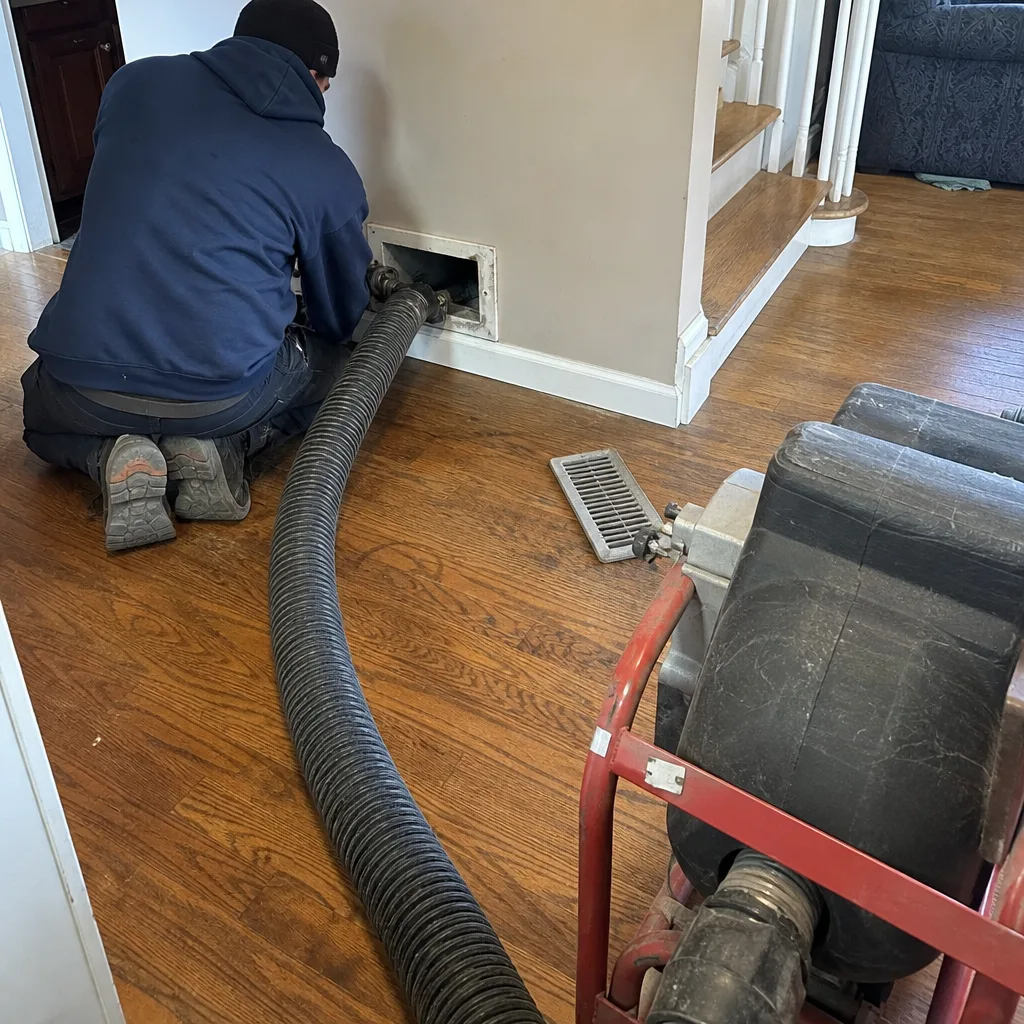 Before
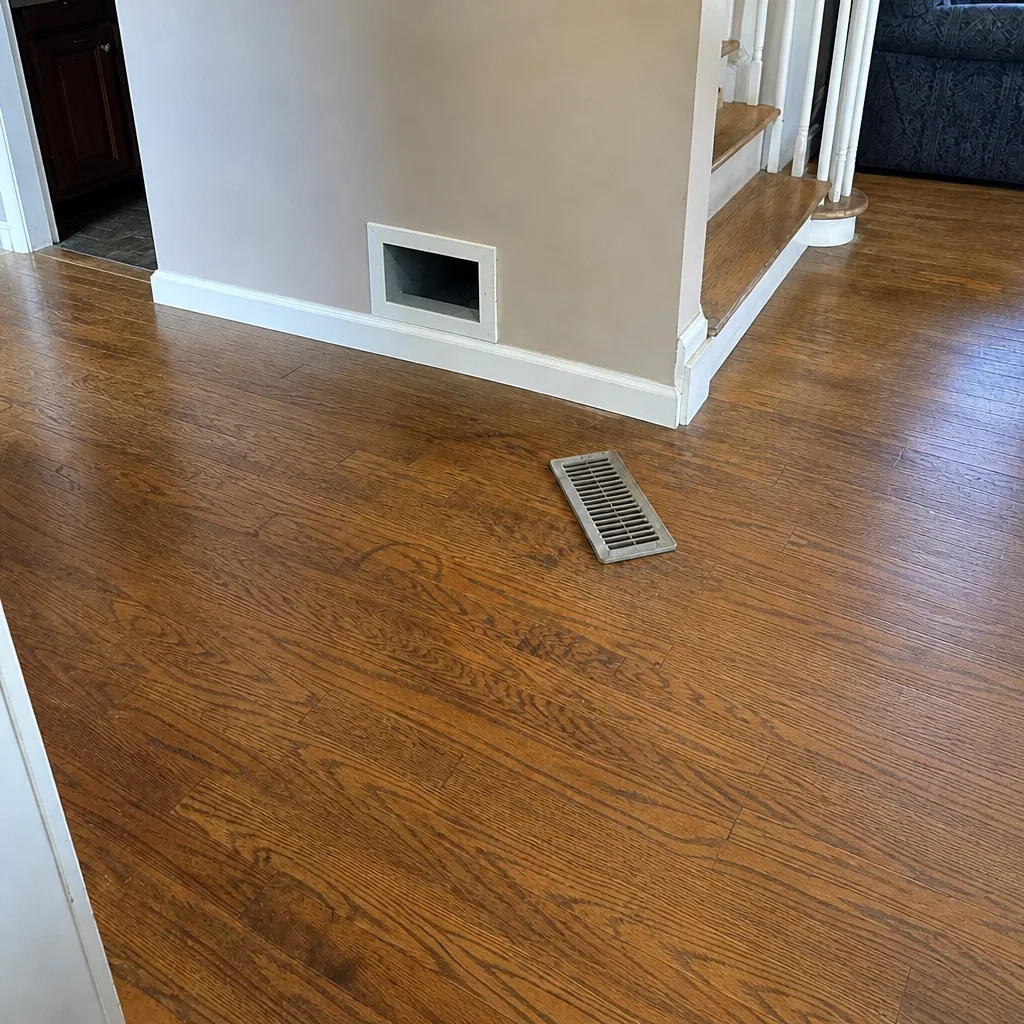 After
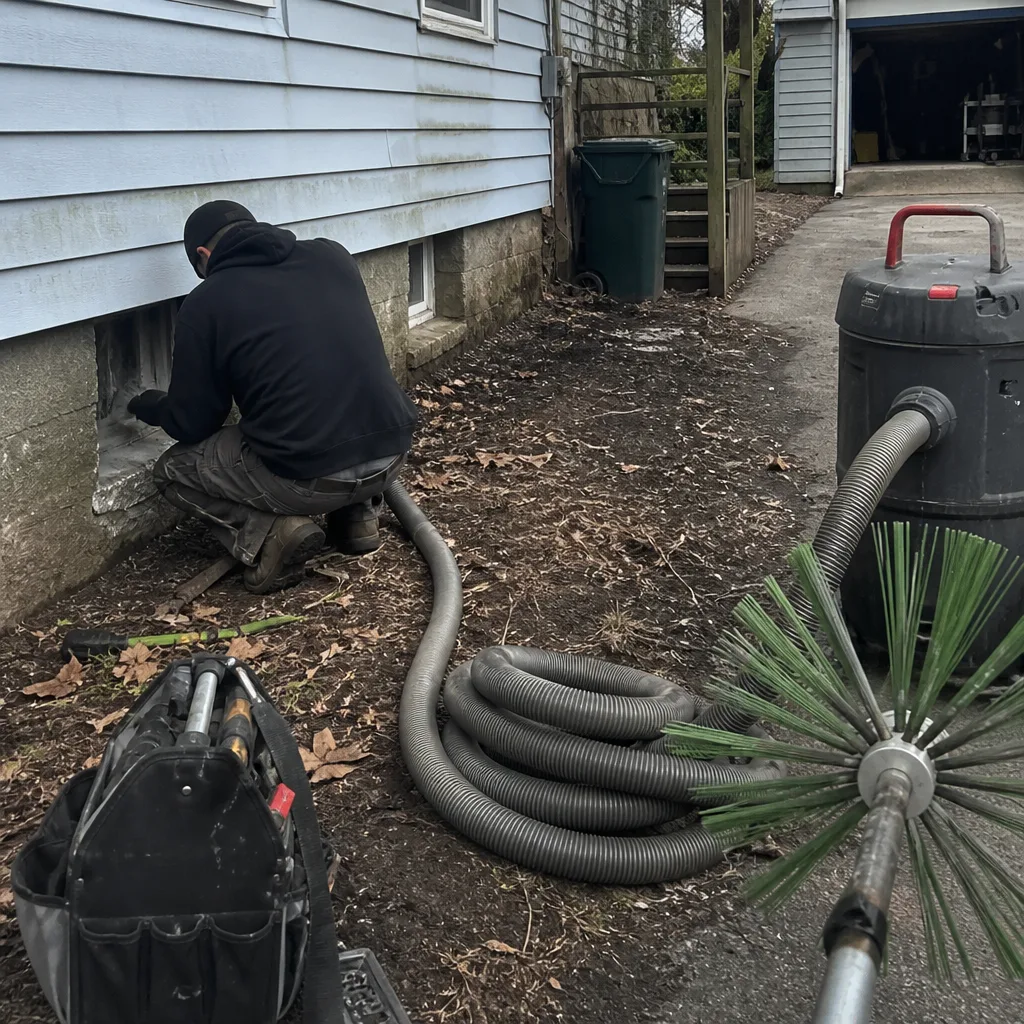 Before
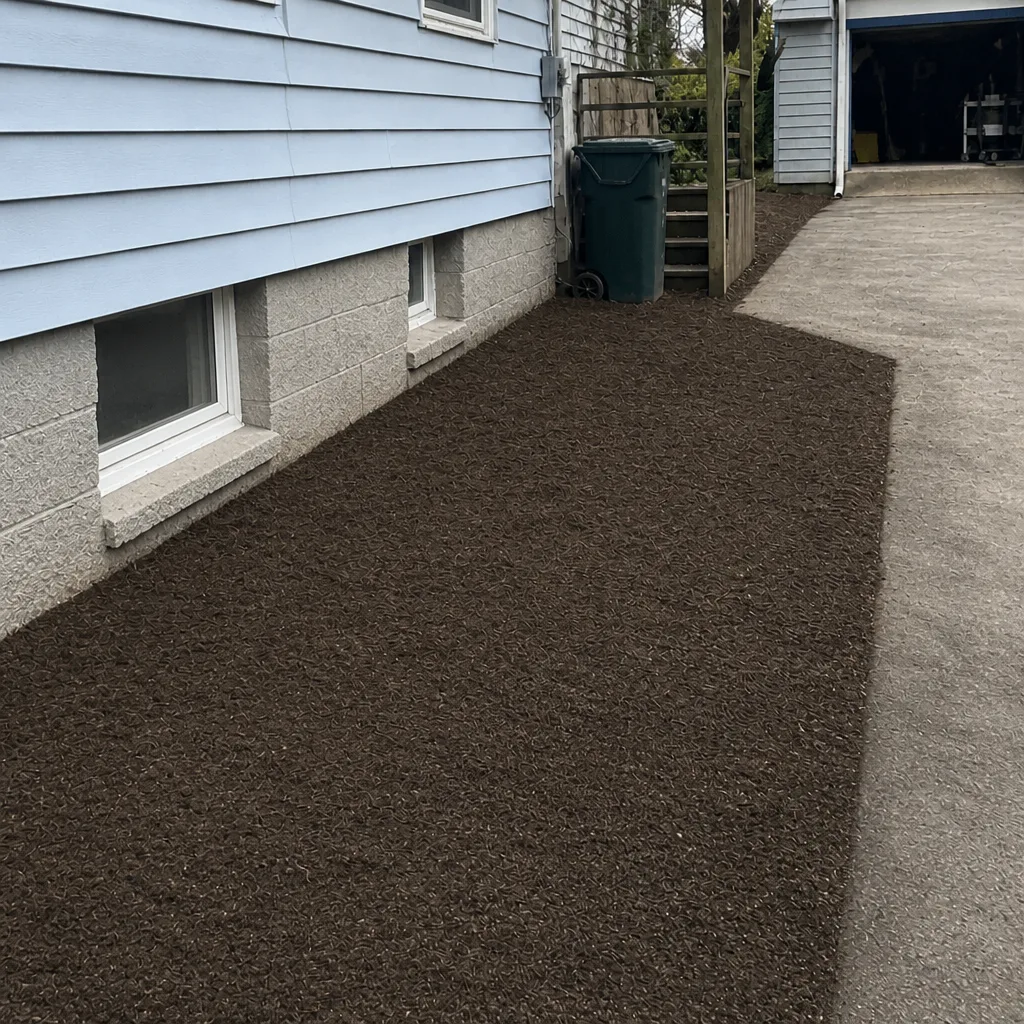 After
 Before
 After
When to Call a Professional
Some duct symptoms are obvious, and some hide. Call a professional if dust reappears on the same surfaces days after you clean, if allergy-like symptoms flare up when the heat or air comes on, if you notice a musty smell at first start-up in fall, or if your energy bills climb with no change in how the house is run. In Brockton’s older housing stock, those signals often point to a leak or a crushed run, not just surface dust, which is why a specialist who can diagnose and repair matters. If the problem is a dryer taking longer and longer to dry a load, the vent is often the culprit, and that’s a fire-safety issue worth a direct look. Duct Cleaning Brockton offers free estimates in Brockton. Call (844) 834-2553. We answer 24/7. Fast dispatch from 7am to 7pm, Sunday through Friday.
Frequently Asked Questions
Whole-system air duct cleaning in Brockton is priced as one flat rate per system by the written estimate, not as a per-vent charge. Legitimate proposals tie the price to the size of the system and the work actually required. Call (844) 834-2553 for an exact quote. Estimates are free.
Because they’re usually quoting a smaller job than the one your home needs. A $99 teaser typically covers a sweep of a few visible vents, not a whole-system cleaning with professional containment and verification, which is the bait-and-switch pattern the FTC has documented in HVAC-adjacent services. The small price is real. The full cleaning usually isn’t included.
Ask for before-and-after photos of your own ducts and a walkthrough of what the technician found. A contractor who documents the work is a contractor who expects to be held to it. If the company can’t show proof, don’t book. Call (844) 834-2553 to see how we document a job.
There’s no single answer, but the practical signals are consistent: pets, recent renovation, smokers in the home, and visible dust at the registers all shorten the interval. In this region, homeowners often notice the problem in the fall when the heating system first comes on. If dust returns to the same surfaces weeks after cleaning, a leak is a likelier cause than surface dust. Call (844) 834-2553 for an assessment.
No. The HIC registration confirms the contractor is registered to do home improvement work and gives you a formal complaint channel, but it does not certify duct-cleaning competence or verify equipment. Treat it as the floor, then verify the equipment list, containment method, and technician training separately.
Yes, in most cases, and especially in Brockton’s older housing stock where separated joints and crushed runs are common. A cleaner who can only clean will leave a leak in place, and you’ll likely notice the dust problem again within months. A specialist who can find and seal the leak is solving the underlying issue, not just the symptoms. Call (844) 834-2553 for a free estimate.
The Bottom Line
Hiring a duct cleaning contractor in Brockton comes down to verifiable facts, not good marketing. Check the Massachusetts HIC registration because it’s the baseline. Ask for the equipment manifest and listen for the actual names: Rotobrush, Nikro, Abatement Technologies. Confirm the containment method and the post-job verification because those are what prove the work was done. Ask about repair capability, since older Brockton homes often need it. Treat NADCA membership as a filter, not a finish line. And whenever a quote is significantly cheaper than the rest, ask exactly what’s missing from it. A company that answers all of this without flinching is the one you want.
Call (844) 834-2553 for a free estimate. We answer 24/7. Fast dispatch from 7am to 7pm, Sunday through Friday.
Written by the team at Duct Cleaning Brockton.