
Last updated November 16, 2026
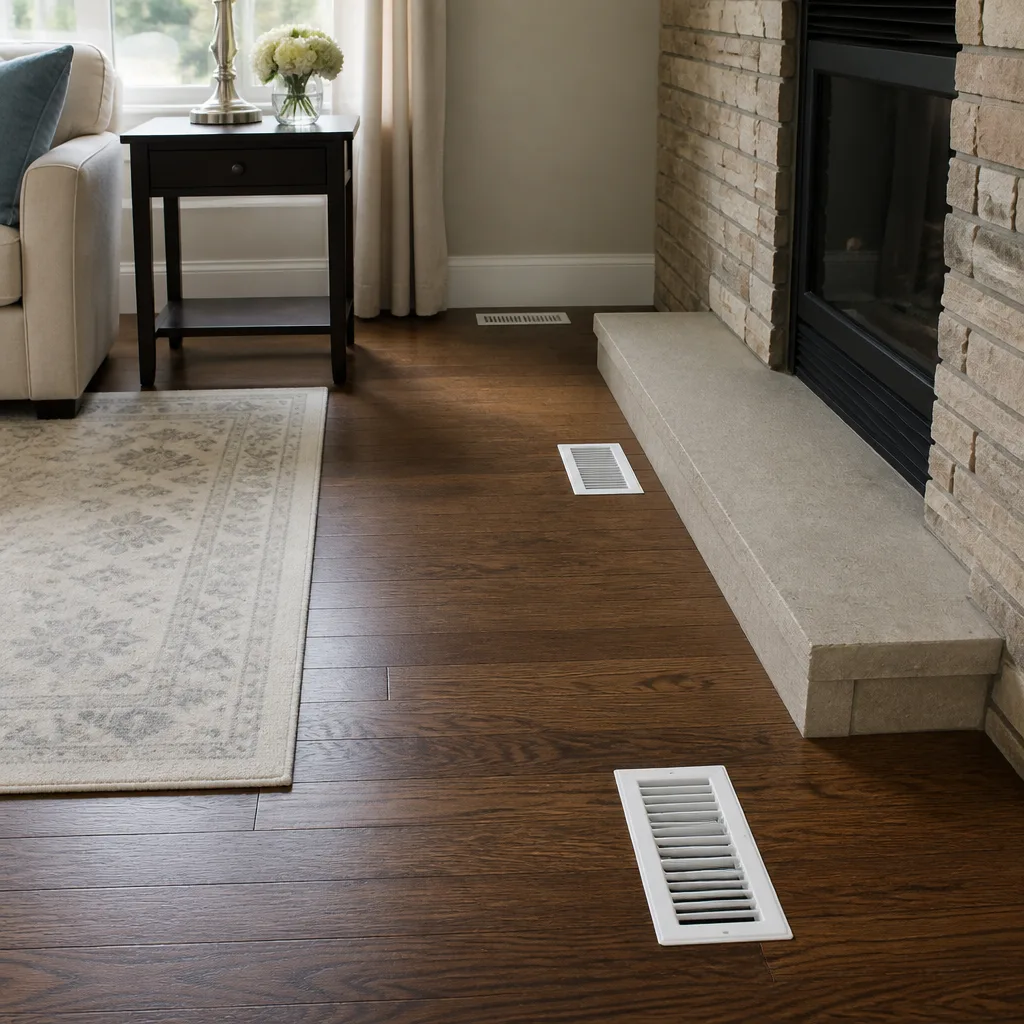 Whole-home duct cleaning
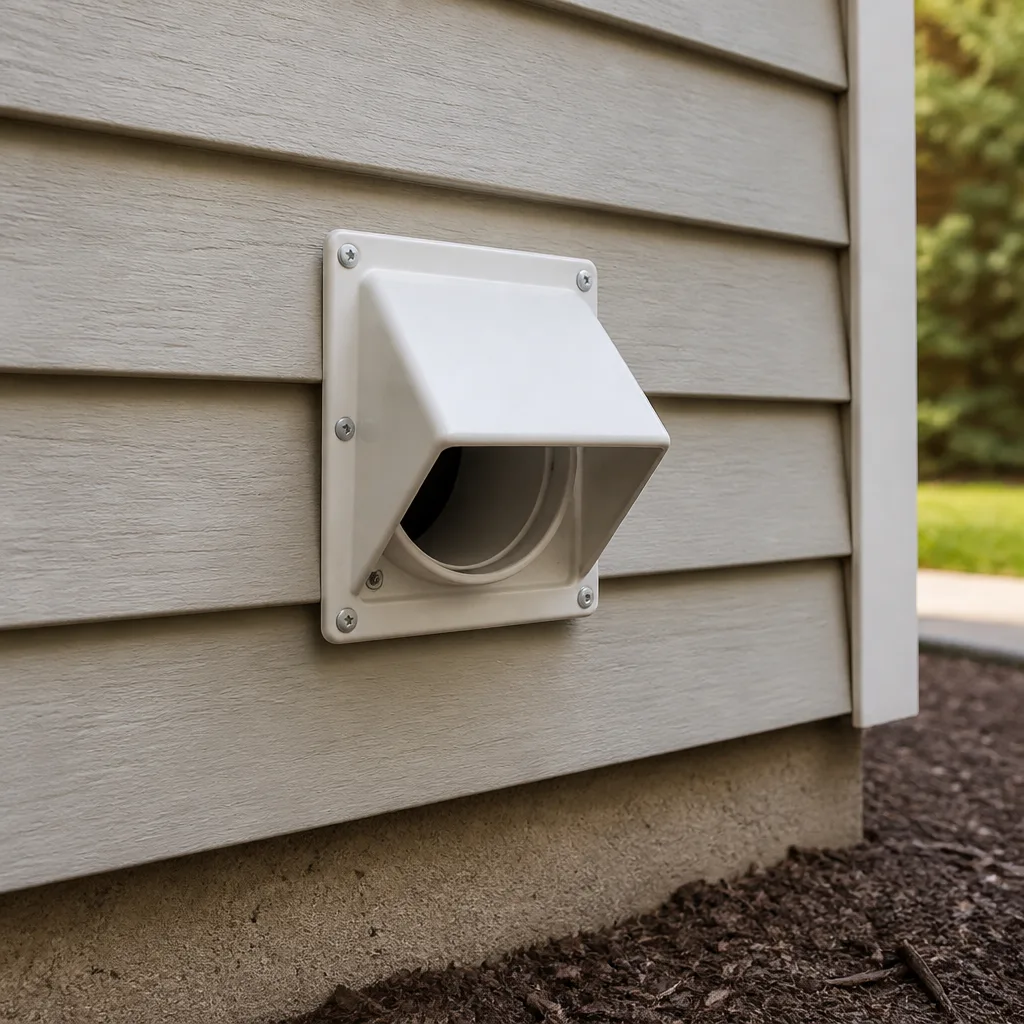 Dryer vent cleaning
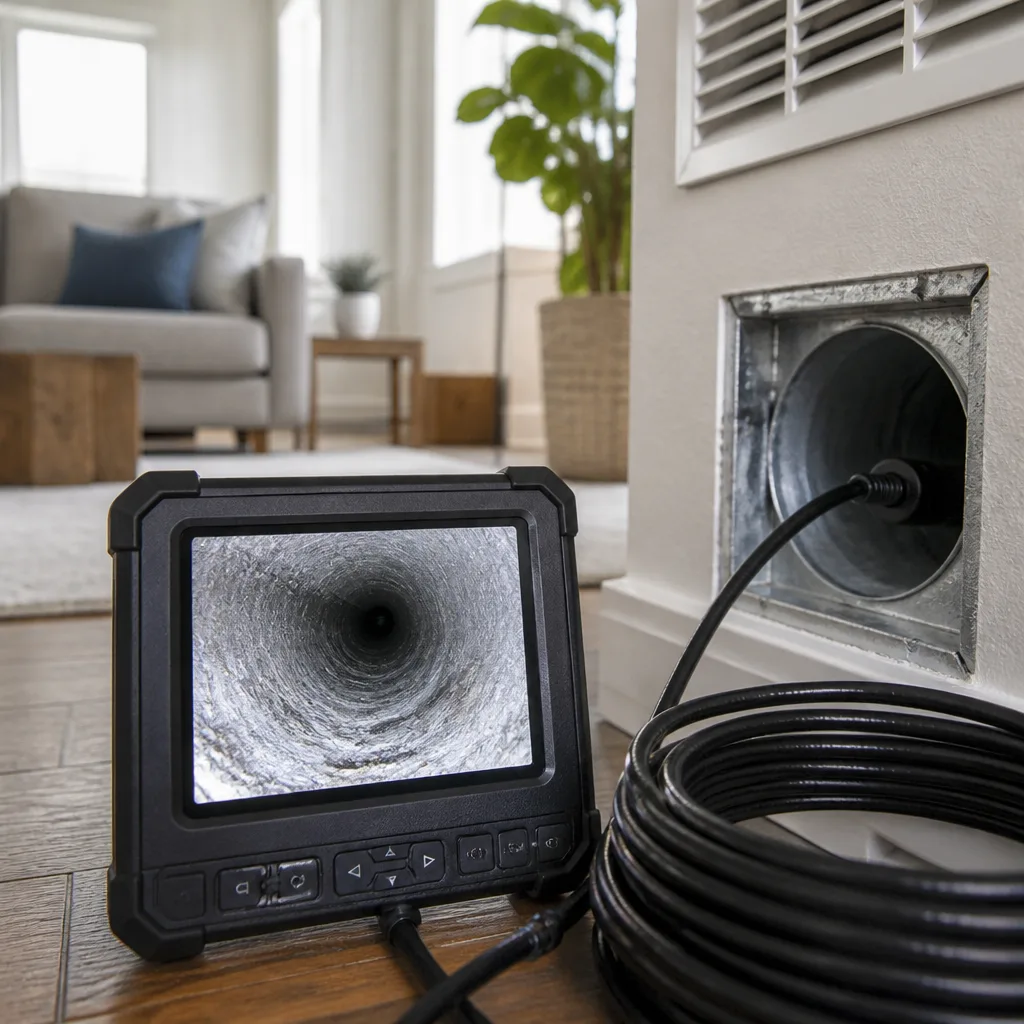 Camera inspection
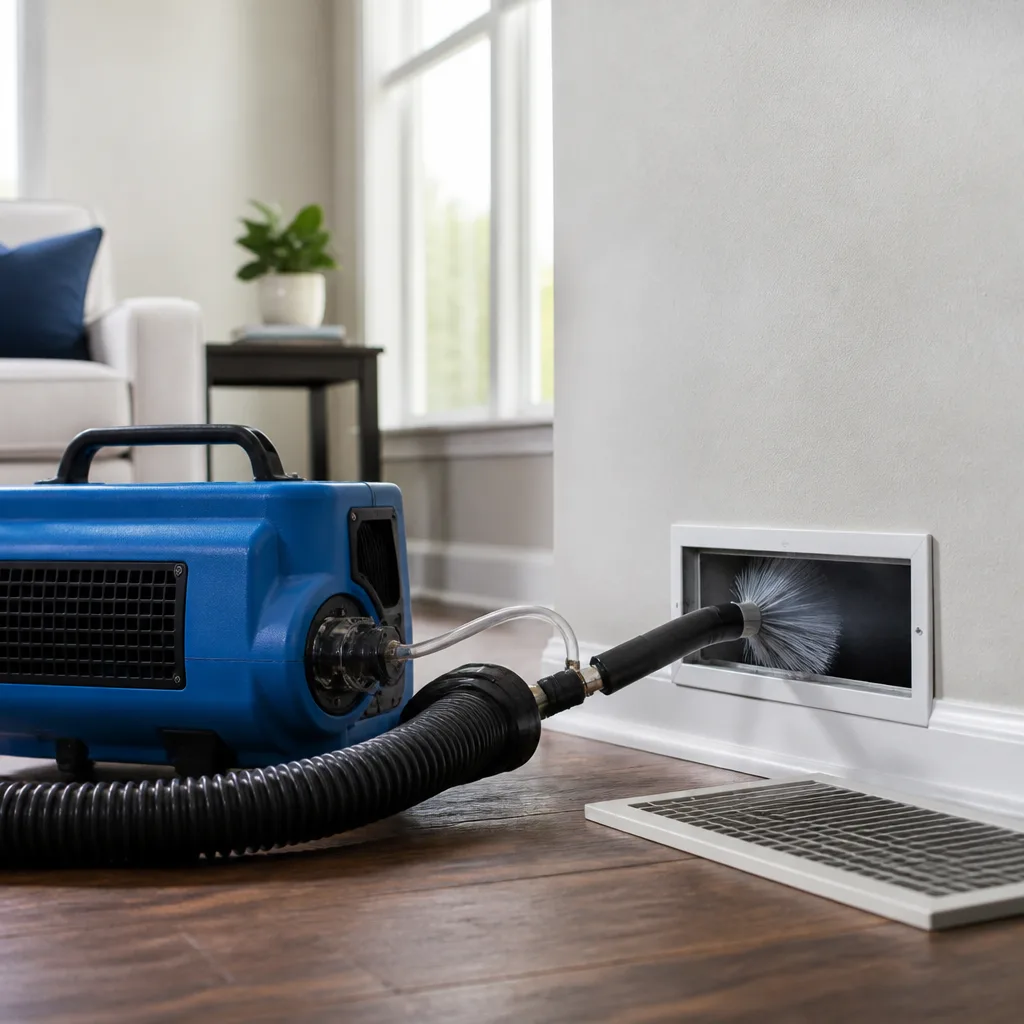 Sanitizing & deodorizing
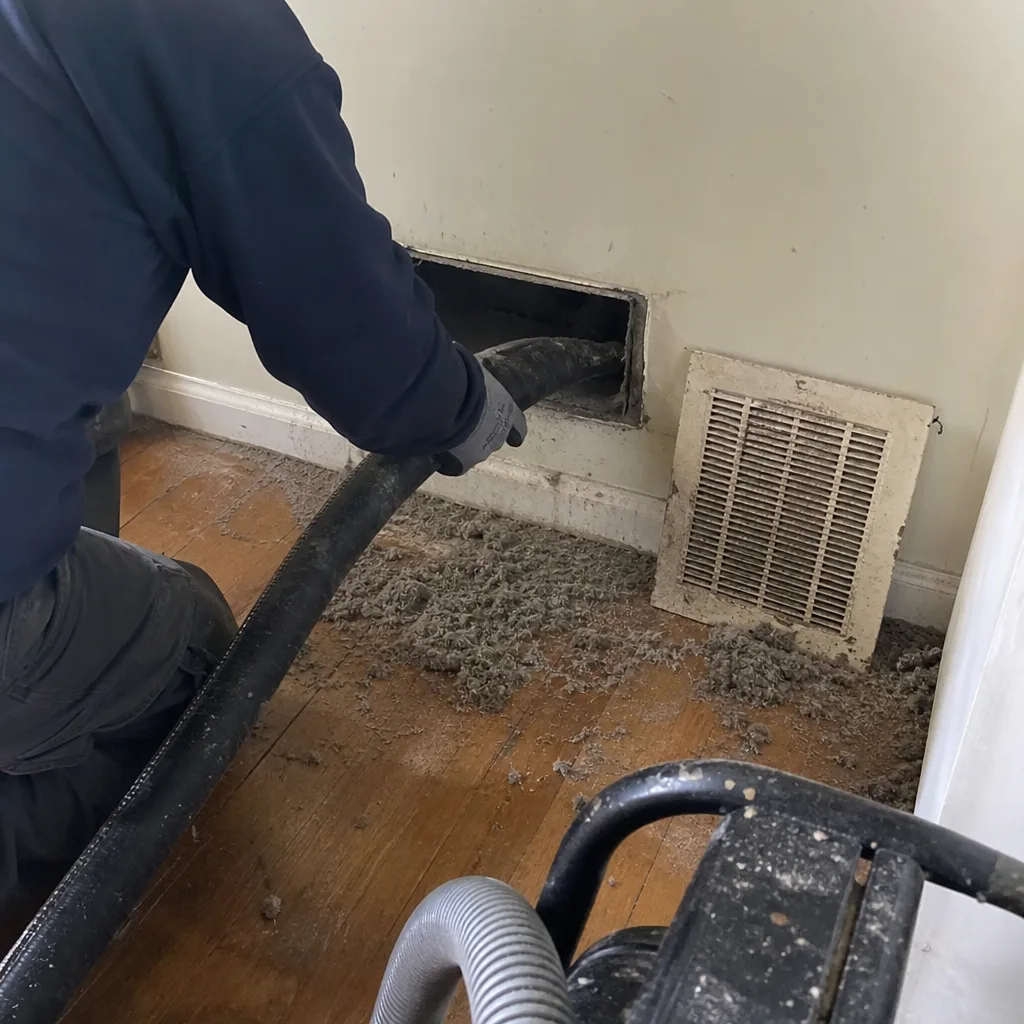
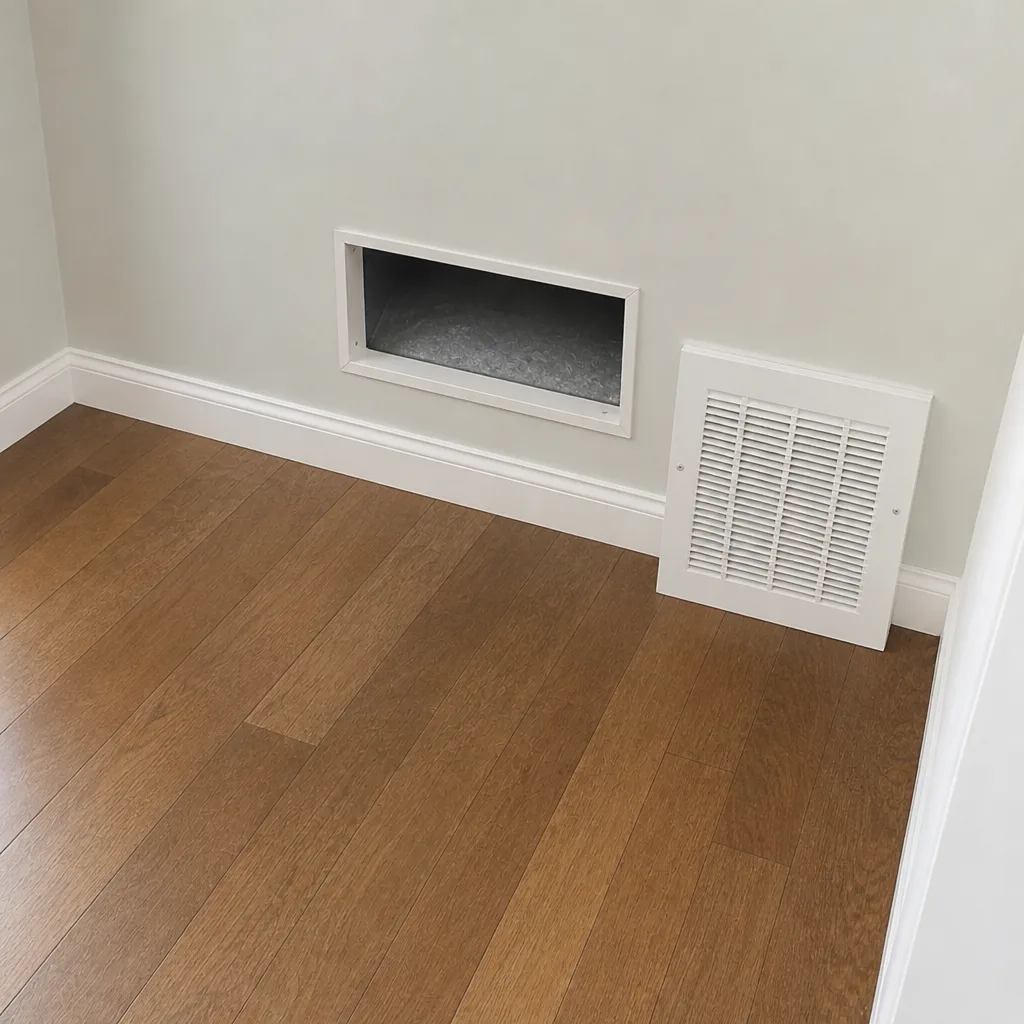
Whole-system duct and dryer vent check with before-and-after photos - you see exactly what came out of your vents
That "$99 whole-house special" is a bait ad - the real number appears once they are in your hallway, or the "clean" is a shop-vac at the register. We photograph the inside of your ducts before and after instead.
Seasonal Air Duct Cleaning Care for Brockton: Year-Round Homeowner’s Guide
Spring in Brockton means open windows, pollen drifting off the oaks, and the first AC run of the year pushing whatever settled in your ducts over winter straight into living space. Most homeowners treat duct cleaning as one annual checkbox, and that’s the misconception this guide corrects. Brockton’s four distinct seasons don’t just change your HVAC’s workload; each one creates a different contamination event inside the same duct system. Winter deposits combustion byproducts and heating dust, spring loads up pollen and moisture-fed mold spores, summer humidity grows biofilm in flex runs, and fall drags leaf mold and pest debris into returns. Treat those as one cycle and you’re always a season behind. What follows is the year-round schedule we’d put on any Brockton home.
Styles & brands we work with
- Whole-home duct cleaning
- Dryer vent cleaning
- Camera inspection
- Sanitizing & deodorizing
Quick Answer
Air ducts in Brockton should be inspected before each major season change – roughly late September before first heat and late April before first cool – and professionally cleaned when the inspection shows real buildup, which for most homes works out to every one to three years depending on pets, occupants and nearby trees. The single most important window is late spring, before the AC starts pulling settled winter dust and pollen into living space. Between cleanings, filter changes and humidity control do the heavy lifting.
Table of Contents
- Why Brockton’s Seasons Create Four Separate Contamination Events
- Winter: Combustion Byproducts and Heating Dust
- Spring: Pollen, Moisture, and the First AC Run
- Summer: Humidity-Driven Biofilm in Flex Duct
- Fall: Leaf Mold, Mature Tree Canopy, and Pest Ingress
- The Right Pre-Season Inspection Windows for Brockton
- Managing Duct Hygiene Between Professional Cleanings
- A Seasonal Filter Upgrade Schedule for Brockton Homes
- Common Mistakes to Avoid
- When to Call a Professional
- Frequently Asked Questions
- The Bottom Line
Why Brockton’s Seasons Create Four Separate Contamination Events
Think of your duct system as a lung that inhales whatever the season throws at it. In a climate with sharp seasonal swings like Brockton’s, the same duct run accumulates four genuinely different kinds of debris over twelve months. Heating season pushes fine combustion particulate and dust through the supply side. Pollen season floods the returns. The humid stretch breeds biological growth where condensation sits. Leaf fall brings organic debris and the pests that follow it. Each has a different removal method and a different ideal timing.
That’s why a single annual cleaning date misses the point. If you clean in, say, early winter, you remove the fall load but leave the system to collect all of spring’s pollen and summer’s humidity growth before you address it again. If you clean in midsummer, you’ve skipped both the pollen peak and the heating-season dust entirely. Matching the cleaning to the season you just finished is what keeps the system genuinely clean rather than occasionally clean.
There’s a housing angle here too. Brockton’s mix of older triple-deckers, mid-century ranches and newer subdivisions each handle seasonal loading differently. Older homes with mature ductwork and attic bypasses leak more, so they accumulate faster. Tight newer construction holds humidity longer in summer, which matters for the biofilm problem below. We account for both when we schedule.
The practical takeaway: stop thinking in cleanings per year and start thinking in inspections per season. Most homes won’t need four cleanings a year – almost none do – but four quick inspections tell you exactly when the real one is due. That’s the shift this guide is built around, and it’s why seasonal air duct cleaning in Brockton is a schedule, not a single appointment.
Winter: Combustion Byproducts and Heating Dust
Heating season is the dustiest stretch of the year for most Brockton homes, and the reason is simple: the furnace or boiler runs for months, circulating air through ducts that spent the warm months relatively idle. Every heating cycle lifts settled dust off duct walls and pushes it through the supply registers. Add the fine particulate from any combustion appliance – a gas furnace, a boiler, a wood stove in an older home – and winter leaves a characteristic gray film that you’ll notice on return grilles and nearby furniture first.
What actually accumulates over a Brockton winter:
- Fine heating dust compacted against supply duct walls by months of warm airflow
- Combustion byproducts from gas-fired heating equipment, which settle in the ducts nearest the air handler
- Pet dander and skin cells, which cling harder in dry heated air
- Return-side debris pulled in every time the blower cycles
The winter inspection we recommend happens late in the season, right before you shut the heat off for good. Look at the return grilles, the supply registers, and the filter housing. If the grilles have visible matting and the filter is loading faster than it used to, the ducts have likely hit their threshold. This is also the moment to confirm that a combustion appliance’s flue and the duct system aren’t cross-contaminating – a return that’s pulling air from near a gas appliance is worth flagging to a professional, because that’s a safety issue, not just a dust one.
Don’t wait until the first warm day to think about it. By then the heating dust is already sitting in the ducts waiting for that first AC cycle to launch it into the rooms. The spring section covers exactly that risk.
Spring: Pollen, Moisture, and the First AC Run
Spring is the highest-stakes season for duct hygiene in Brockton, and most homeowners miss it entirely. Here’s the chain of events. Windows come open. Pollen from the region’s oaks, maples and pines drifts into the house and settles on every surface, including the return grilles. Then the first genuinely warm day arrives, the AC kicks on for the first time in months, and the blower pulls that settled pollen – plus the winter dust underneath it – through the returns and distributes it across the living space. That first-week AC dust you notice every year isn’t a coincidence. It’s a contamination event with a schedule.
Spring also brings moisture. Brockton’s spring rain and the humidity that comes with it feed mold spores on any duct surface where condensation forms, particularly in basements and crawlspaces where duct runs sit in damp air. A musty smell the first time the AC runs is the tell.
The spring actions that matter:
- Inspect return grilles and the filter housing before the first AC run, ideally in late April.
- Change the filter at the season change, not on a fixed monthly calendar that ignores what the system just went through.
- Check basement and crawlspace duct runs for condensation or damp insulation.
- Note any musty odor at first AC start – that’s a signal, not a quirk.
- Book a professional inspection if grilles show matting or the filter loads unusually fast.
If spring inspections consistently show heavy pollen loading, that’s the argument for scheduling the professional cleaning in late spring rather than fall. You clear the winter dust and the pollen together, right before the cooling season pushes air through the system for months.
Summer: Humidity-Driven Biofilm in Flex Duct
July and August are when condensation becomes the main duct problem in Brockton, and flex duct is where it shows up first. Cool air moving through a flex run in a warm, humid attic or unconditioned basement drops below the dew point, moisture forms on the duct’s interior and exterior surfaces, and that persistent dampness feeds the growth of biofilm – a slick biological film that coats the duct wall and releases musty odor into the supply air. Once biofilm establishes, ordinary dusting and filter changes won’t touch it. It needs mechanical cleaning.
Signs that summer humidity has gotten into your ducts:
- A musty or “dirty sock” smell that’s strongest when the AC runs
- Visible condensation or damp insulation on flex runs in the attic or basement
- Higher indoor humidity than the system should be holding
- Allergy-type symptoms that flare in midsummer and ease in fall
The prevention side is mostly about the building, not the ducts. Sealing attic bypasses and insulating duct runs in unconditioned space keeps the dew point from forming on the duct surface in the first place. That’s a case where duct repair and duct cleaning overlap – sealing a leaking, poorly insulated run solves the humidity problem that cleaning alone can only treat. It’s why our duct cleaning in Brockton work often pairs a cleaning with a repair assessment on any flex run showing condensation.
If you clean in early summer, before the July-August humidity peak, you remove the food source (dust and organic debris) before the moisture arrives to feed it. That sequencing is deliberate.
Fall: Leaf Mold, Mature Tree Canopy, and Pest Ingress
Fall is the season Brockton’s older neighborhoods feel most in the ducts. Streets lined with mature oaks and maples shed enormous volumes of leaf debris, and that debris breaks down into leaf mold – a fine, spore-laden organic dust that finds its way into return air through attic bypasses, poorly sealed returns, and any gap in the building envelope. Homes under heavy canopy load their returns faster than homes on open lots, and it’s not subtle once you know what to look for.
Fall also brings pests. As temperatures drop, mice and insects look for warmth, and duct systems – especially attic runs and crawlspace runs with gaps at joints – offer it. Droppings and nesting material in a duct are a genuine contamination problem and a reason to call a professional rather than vacuum at the register.
Fall-specific actions for Brockton homes near mature trees:
- Walk the attic and check for gaps where return ducts meet the ceiling or floor – leaf debris enters there.
- Inspect return grilles for fine brown or black organic dust, the signature of leaf mold.
- Look for pest evidence: droppings, nesting material, chewed insulation near duct joints.
- Seal obvious attic bypasses before heating season, when the stack effect pulls attic air down into the house.
- Schedule an inspection before first heat if any of the above turns up.
The timing matters because heating season is when a leaky return pulls the most attic and crawlspace air into living space. Seal and clean before the furnace starts running, not after.
The Right Pre-Season Inspection Windows for Brockton
Generic duct-cleaning advice says “clean every year” or “clean every three to five years” without ever telling you when. The useful version ties inspection to Brockton’s actual season transitions rather than the calendar. Two windows carry most of the weight, and two secondary checkpoints catch the rest.
The two primary windows:
- Late April, before first cool. This is the higher-priority inspection. It catches the winter dust load and the early pollen before the first AC run distributes both through the house. If a cleaning is due, this is the best time to do it.
- Late September, before first heat. This one catches the summer humidity growth and the fall leaf debris before heating season pulls attic and crawlspace air into the living space. It’s also the right moment to seal attic bypasses.
The two secondary checkpoints:
- Mid-winter (January): a quick glance at return grilles and filter loading tells you whether winter is accumulating faster than expected, which matters in homes with pets or combustion appliances.
- Mid-summer (July): check flex runs in attic and basement for condensation before the August humidity peak. This is a five-minute look, not a cleaning.
The logic behind the late-April and late-September windows is that they sit right before the two moments the system shifts from one mode to another, when accumulated debris is about to be redistributed. Inspecting just before those shifts means you catch the problem before it reaches the rooms, not after. That’s the difference between a schedule that works and one that just generates appointments.
For a city with Brockton’s seasonal spread, these two windows cover the two highest-risk transitions. The secondary checkpoints are cheap insurance on the in-between months.
Managing Duct Hygiene Between Professional Cleanings
A professional cleaning resets the system. Keeping it clean in the months between is mostly about three things: filtration, humidity control, and not undoing the work. Here’s what actually moves the needle.
Filtration. The filter is the duct system’s first line of defense, and it’s the piece most homeowners under-manage. A filter that’s too restrictive chokes airflow; one that’s too loose lets everything through. Match the filter’s rating to what the system’s blower can handle, and change it on a schedule tied to the season rather than a fixed 90-day rule that ignores the pollen peak. The filter schedule section below lays this out.
Humidity control. Keeping indoor humidity in a reasonable range during Brockton’s humid stretch is the single best defense against summer biofilm. That means running the AC consistently rather than cycling it off and on, using exhaust fans in kitchens and baths, and addressing any duct run in unconditioned space that’s sweating. If a flex run in the attic is wet to the touch in July, that’s a call-a-professional problem, not a wait-and-see one.
Don’t undo the cleaning. Renovation dust is the biggest culprit here. Any drywall, sanding or demolition work in the house pulls fine dust into the returns within minutes. Seal the returns during renovation, and if you’re doing major work, schedule the professional cleaning after, not before. The same goes for a new pet – dander loads the system fast, and a home that was clean a year ago may need attention sooner.
None of this replaces professional cleaning. What it does is stretch the interval between cleanings and make each one last longer, which is the whole point of a year-round approach rather than a once-a-year reset.
A Seasonal Filter Upgrade Schedule for Brockton Homes
Filter changes are the cheapest duct-hygiene tool you have, and a fixed monthly calendar wastes them. Brockton’s seasonal loading is uneven, so the filter schedule should be too. Here’s the version we recommend, mapped to the seasons.
Spring (late April): Change the filter right before the first AC run. This is the highest-value change of the year because it sits between the winter dust load and the pollen peak. A filter changed in late April catches both the first cooling cycle and the early pollen before either reaches the ducts. If you change the filter only once a year, make it this one.
Early summer (June): A second change going into the humid stretch keeps a clean filter in place while the system works hardest and indoor humidity is highest.
Fall (late September): Change before first heat. This one clears the summer’s biological growth and preps the system for heating season, when combustion byproducts and heating dust start loading the filter quickly.
Mid-winter (January): A check-and-change if the filter is visibly loaded. Homes with pets, combustion appliances, or occupants with allergies may need it; homes without may not.
On rating: a higher MERV rating catches more, but a filter the blower can’t push air through causes its own problems – restricted airflow, higher energy use, and a system that runs longer than it should. Match the rating to what the equipment can handle, and if a higher-efficiency filter is tempting, ask before installing it. We work with air duct cleaning customers on this constantly, and the right answer is usually a mid-range filter changed more often rather than a high-MERV filter left in too long.
The upgrade path, if you want more than filtration, is a whole-home air cleaner or a humidity control system. Those are the kind of upgrades Honeywell and Aprilaire build, and they’re worth discussing after a cleaning rather than instead of one.
Common Mistakes to Avoid
- Treating duct cleaning as a once-a-year checkbox. Brockton’s four seasons each deposit a different kind of debris, so a single annual cleaning always leaves one season’s load unaddressed. Inspect at each transition instead.
- Skipping the spring inspection. The late-April window is the one most homeowners miss, and it’s the one that matters most, because it sits right before the first AC run distributes the winter dust and pollen load.
- Ignoring summer condensation in flex duct. A damp flex run in a Brockton attic in July is a biofilm problem waiting to happen. Treat condensation as a signal to call, not a quirk to live with.
- Cleaning before a renovation instead of after. Drywall dust finds the returns within minutes. Cleaning first means recontaminating the system the day the work starts.
- Assuming a leaky return is a dust problem only. In fall, a leaky return near a maturing tree canopy pulls leaf mold and attic debris into living space. That’s a seal-it problem, not a clean-it problem, and cleaning alone won’t solve it.
- Buying a filter by rating alone. The most restrictive filter isn’t the best filter if it chokes airflow. Match it to the equipment.
- Vacuuming pest debris at the register instead of calling. Droppings and nesting material in a duct are a contamination issue that surface cleaning won’t resolve, and disturbing them at the register spreads them.
When to Call a Professional
Some duct problems are a filter change and a wait. Others need the equipment a professional brings. Call when you see visible matting on return grilles that returns after cleaning, a musty odor that’s strongest when the AC runs, condensation or damp insulation on any flex run, pest droppings or nesting material in a duct, or a return that’s pulling attic or crawlspace air into living space. Call too if allergy-type symptoms flare indoors in a pattern that tracks the seasons. Those signals point to contamination that surface cleaning can’t reach. When we clean, we use Rotobrush rotary-brush systems and Nikro HEPA-rated vacuums with Abatement Technologies negative-air containment, so dislodged debris is captured rather than pushed back into the rooms. Duct Cleaning Brockton offers free estimates in Brockton – call (844) 834-2553.
Frequently Asked Questions
Most Brockton homes need a professional cleaning every one to three years, with the exact interval set by pets, occupants, nearby tree canopy and combustion appliances. The more useful habit is inspecting at each season change and cleaning when the inspection shows buildup. Homes under heavy oak or maple canopy and homes with pets tend toward the shorter end of that range.
Late spring, right before the first AC run, is the highest-value window in Brockton because it removes both the winter dust load and the early pollen before the cooling season distributes them. Late September, before first heat, is the second-best window and the right moment to catch summer humidity growth and fall leaf debris. Either window works; late spring is the one to prioritize if you only clean once.
A musty smell in summer usually means condensation has formed on a duct surface and biofilm has started to grow, most often in flex runs in attics or unconditioned basements. Cleaning removes the established growth; sealing and insulating the sweating run prevents it from coming back. If the smell is strongest when the AC runs, that’s the pattern to look for.
Regular filter changes stretch the interval between cleanings but don’t replace them. Filters catch what passes through the return, and a lot of debris settles on duct walls before it ever reaches the filter, especially in heating season and under heavy tree canopy. Filter changes are a between-cleanings tool, not a substitute for cleaning.
Cleaning removes accumulated debris from the duct system; repair fixes leaks, disconnected joints and damaged runs that let debris and air in. They solve different problems, and a system with leaking or damaged runs won’t stay clean until the repair is done. That’s why we assess both on the same visit rather than treating them as separate jobs.
Yes. Leaking or poorly insulated duct runs in unconditioned space lose conditioned air and pull in outside air, which makes the system work harder through both heating and cooling season. Sealing and insulating those runs is often the fix, and it’s one of the reasons a fall inspection is worth doing before heating season starts.
Call (844) 834-2553 for an exact quote – estimates are free. We answer 24/7. Fast dispatch from 7am to 7pm, Sunday through Friday. We’re closed Saturday; a call outside dispatch hours is booked into the next opening.
The Bottom Line
Brockton’s four seasons each deposit something different in your ducts, so the right approach is a schedule, not a single annual cleaning. Inspect in late April before the first AC run and in late September before first heat, and clean when the inspection shows real buildup – usually every one to three years. Between cleanings, match filter changes to the seasons, control summer humidity to prevent biofilm, and seal attic bypasses before leaf mold season. When the inspection turns up condensation, pest debris, or persistent musty odor, call a professional rather than vacuuming at the register.
Ready to build your year-round schedule? Call (844) 834-2553 for a free estimate. We answer 24/7. Fast dispatch from 7am to 7pm, Sunday through Friday. Closed Saturday.
For more on our services in Brockton and our dryer vent cleaning work, explore the site. Our technicians have up to 8 years of experience, and we work with Honeywell and Aprilaire IAQ systems when a cleaning should be paired with a filtration upgrade.
Written by the team at Duct Cleaning Brockton.
See the difference
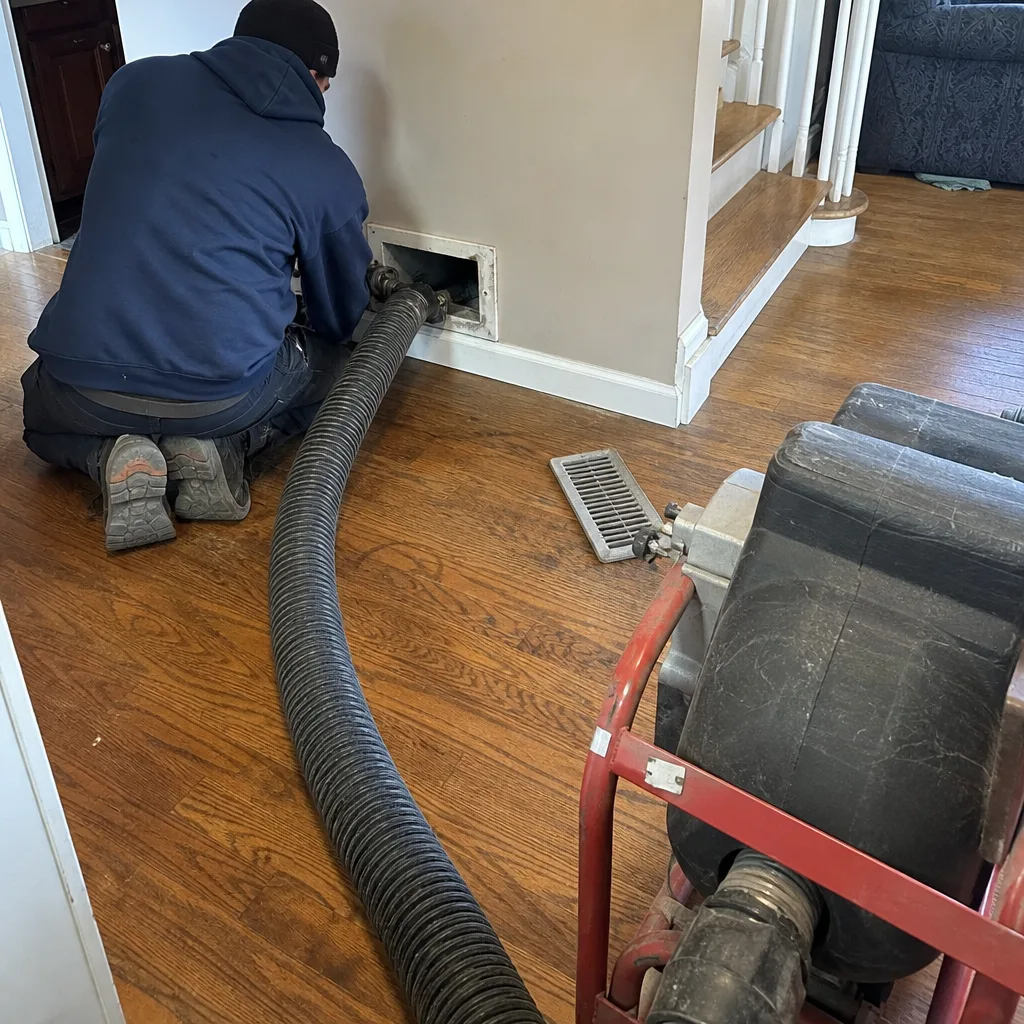 Before
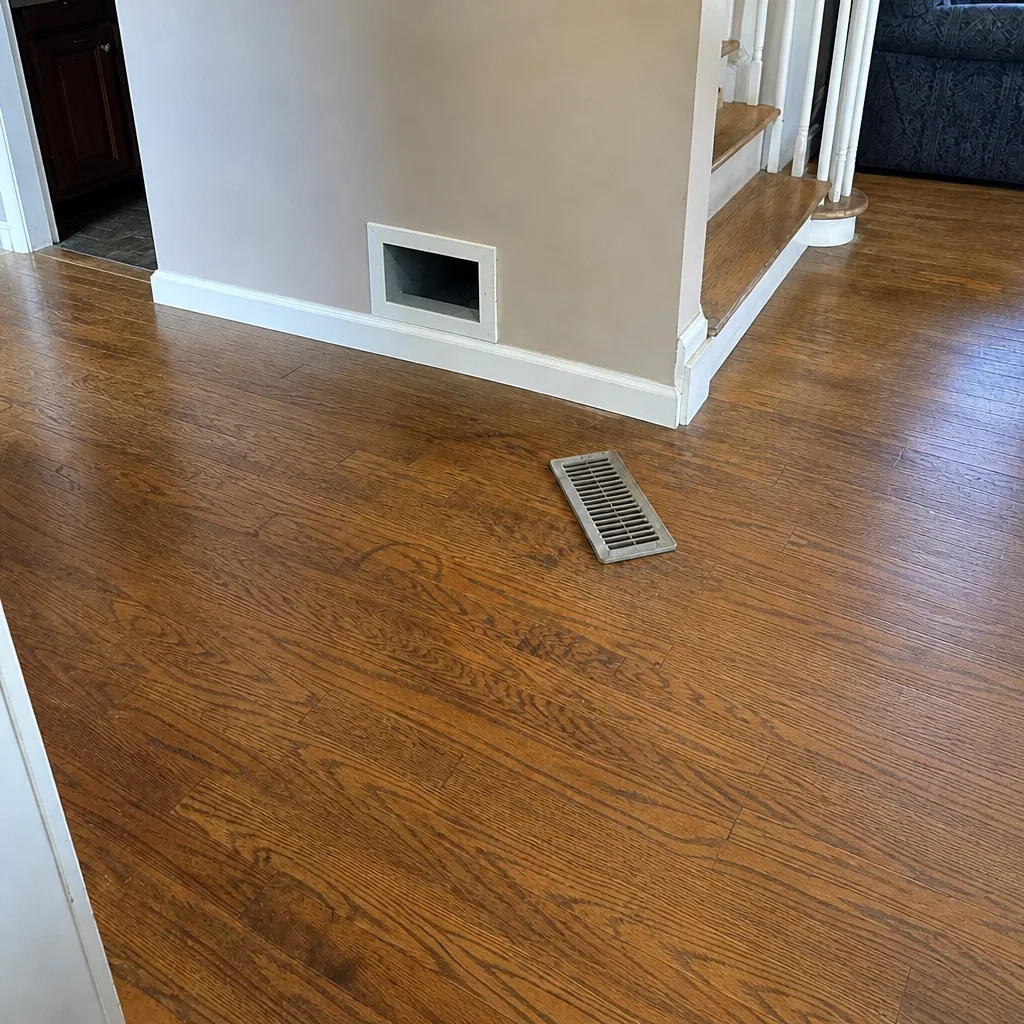 After
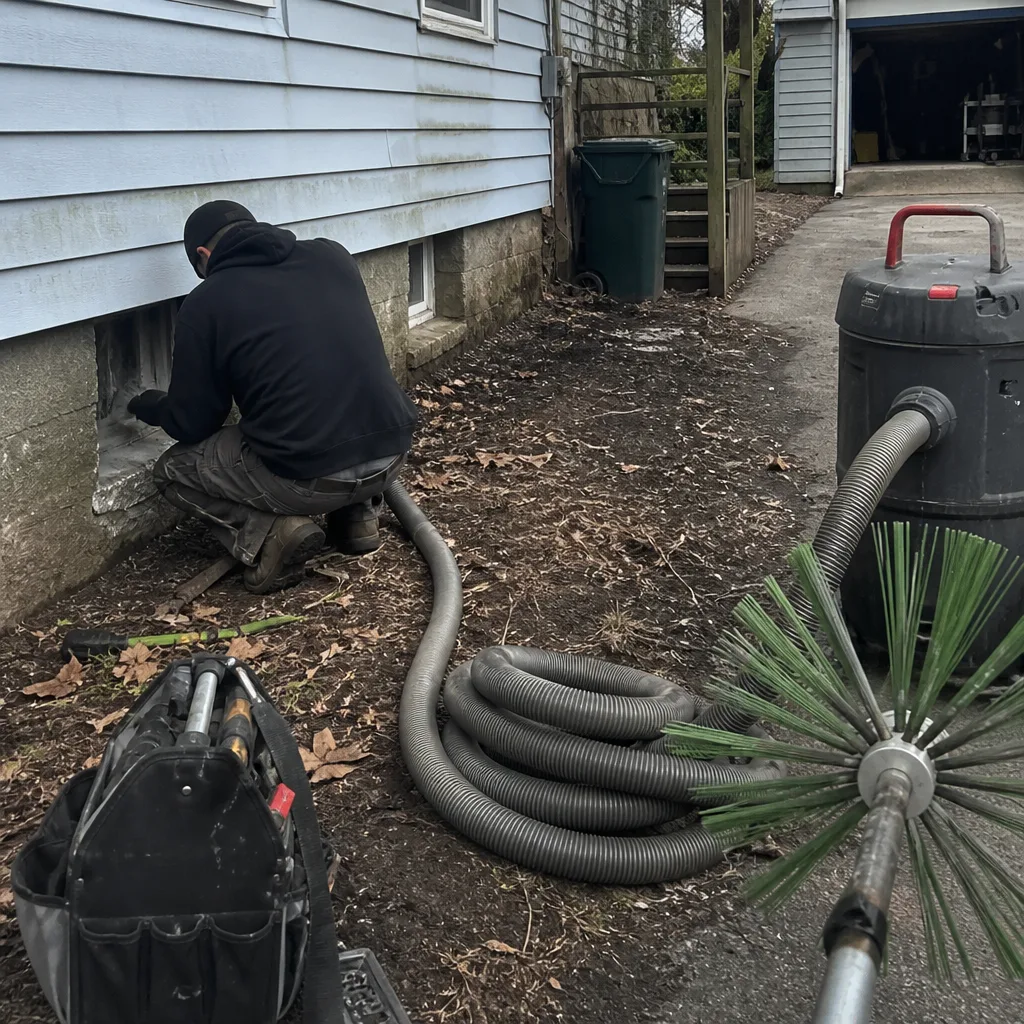 Before
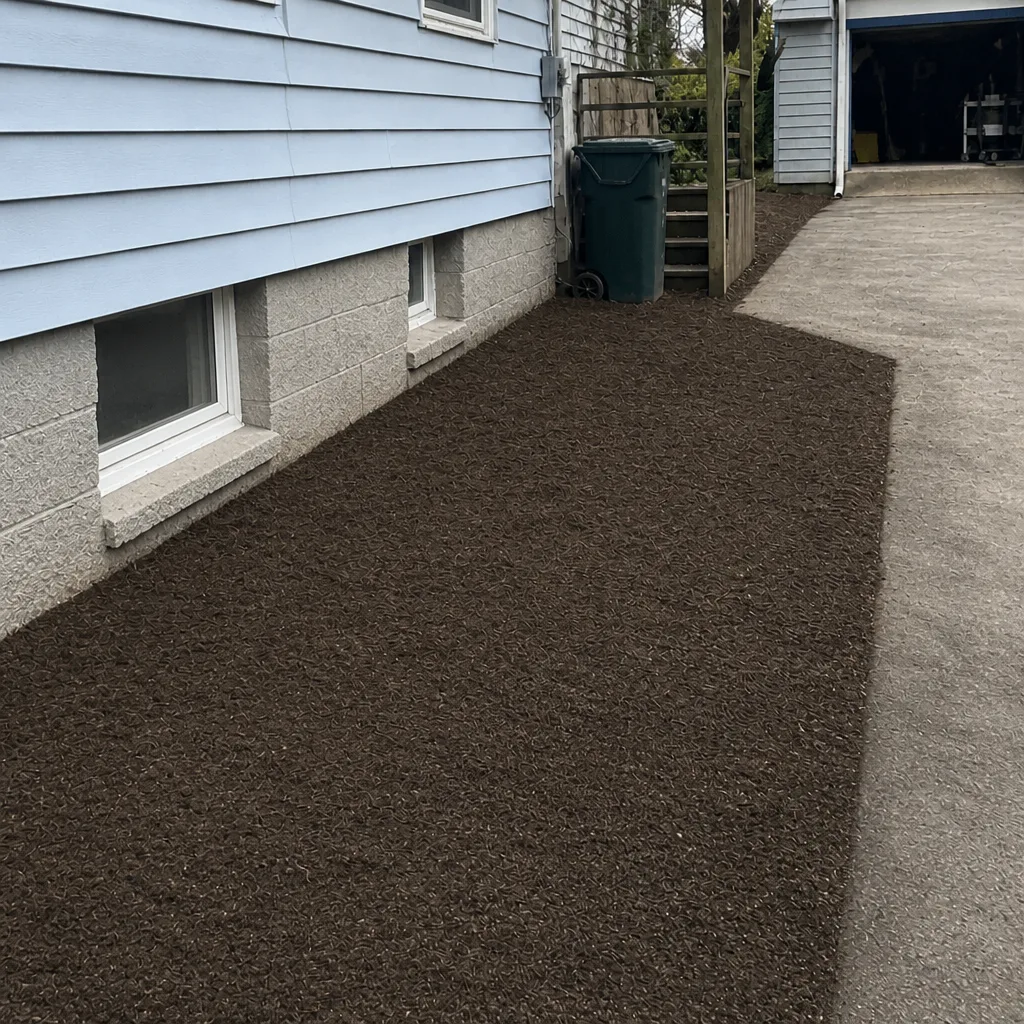 After
 Before
 After