
Last updated November 16, 2026
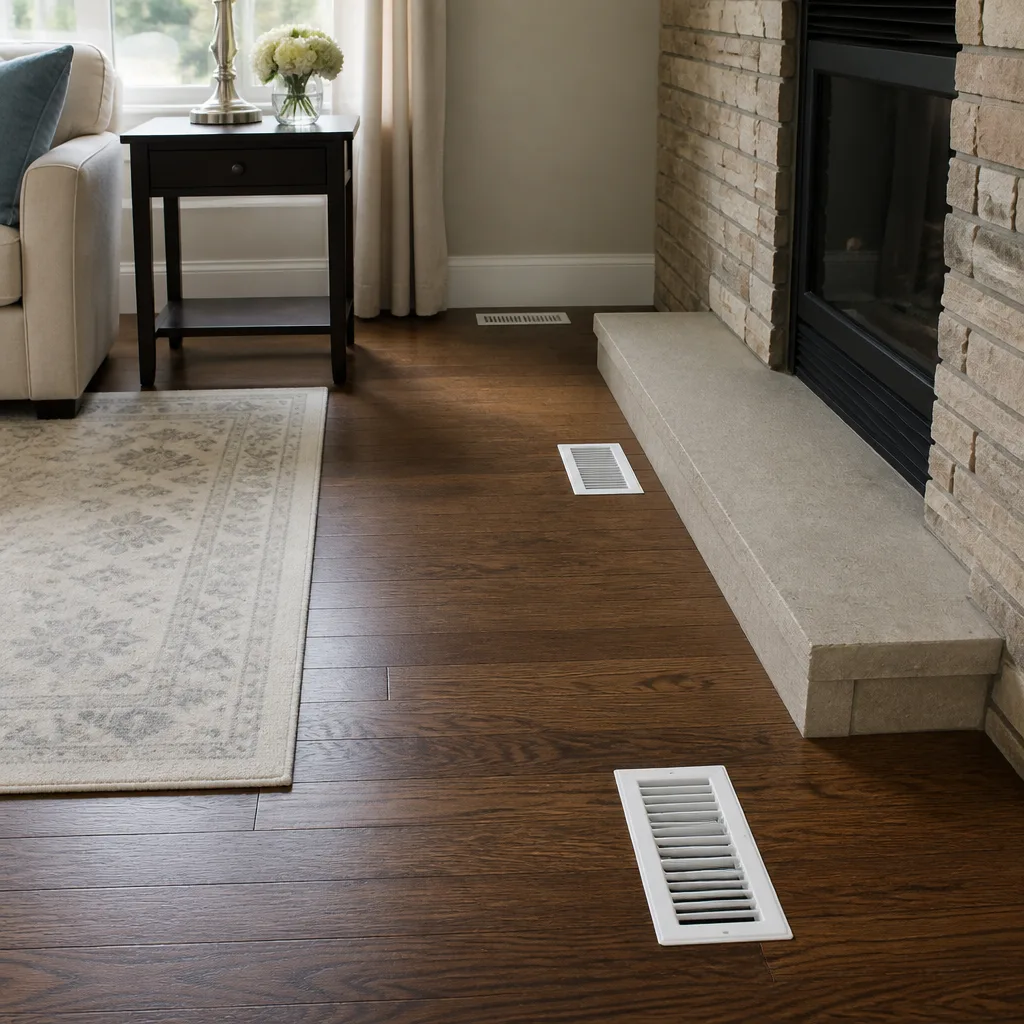 Whole-home duct cleaning
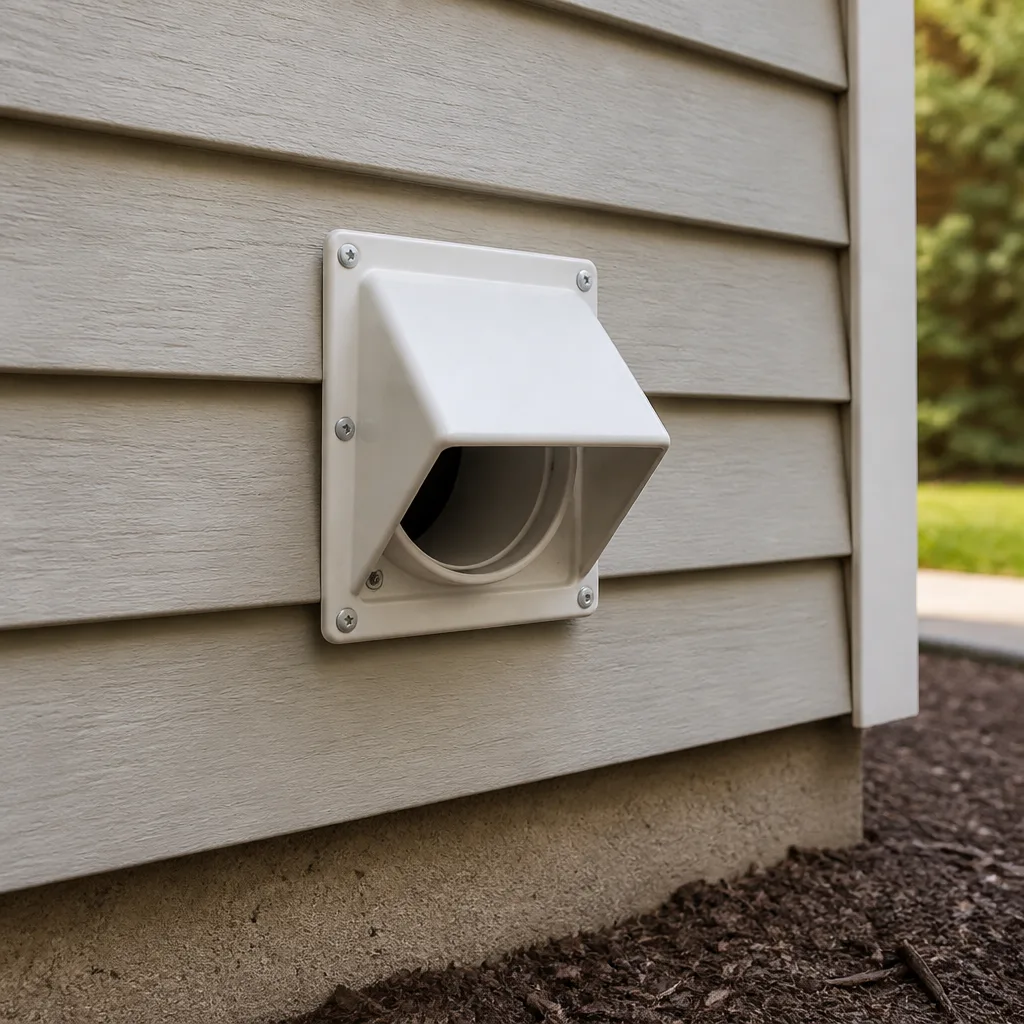 Dryer vent cleaning
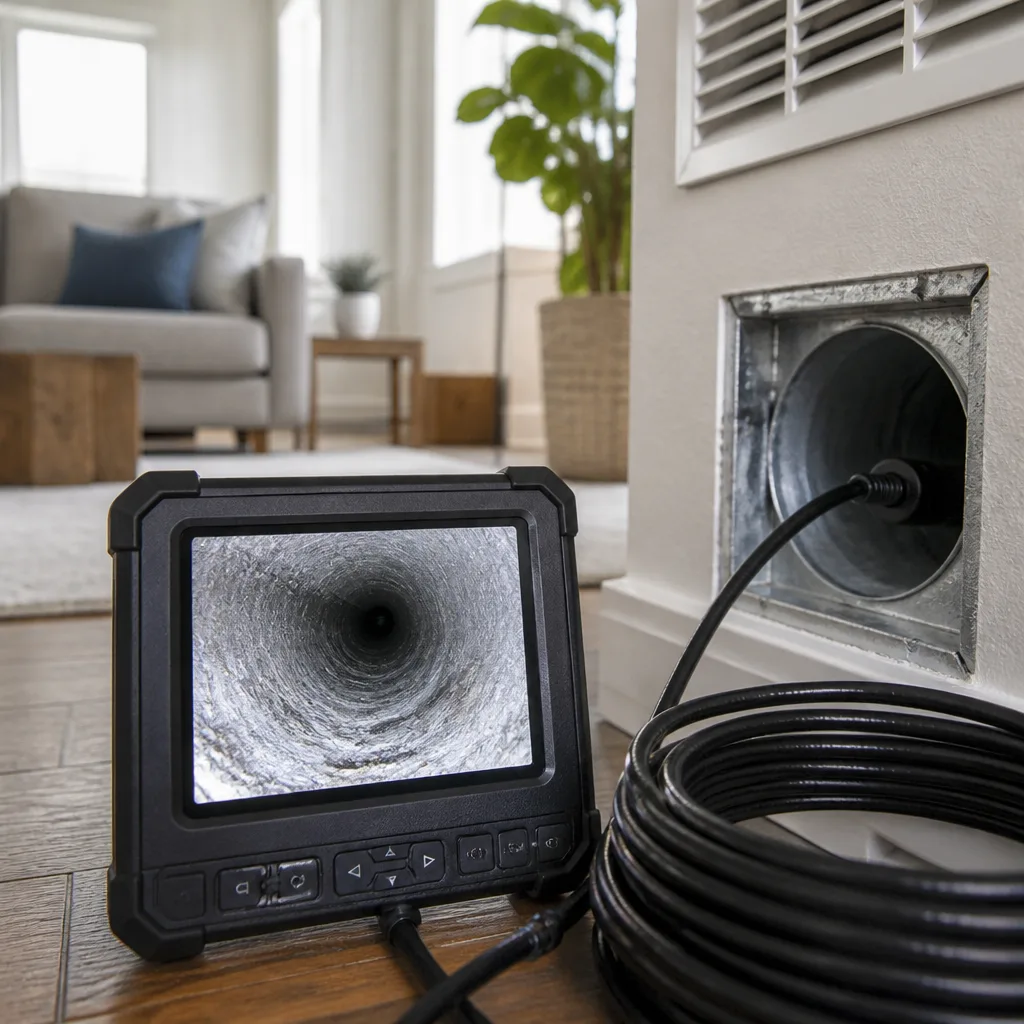 Camera inspection
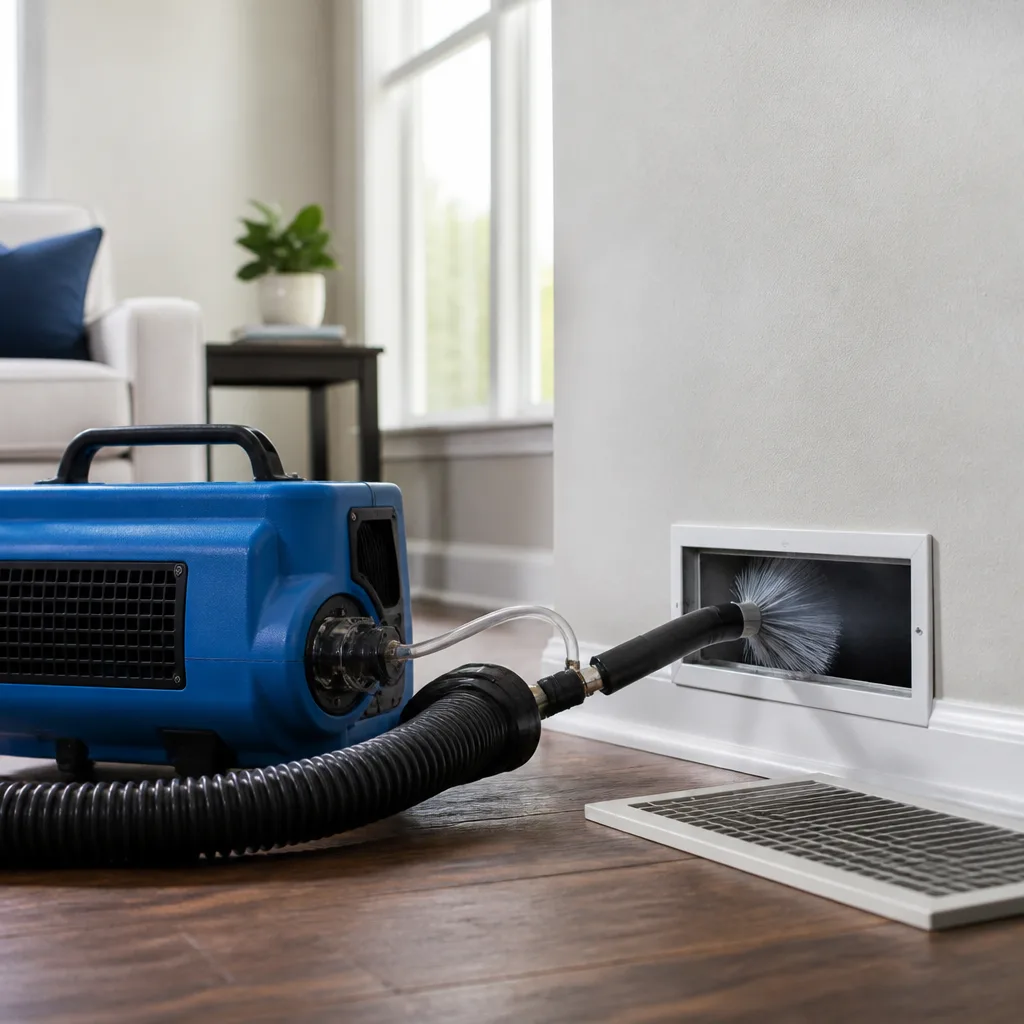 Sanitizing & deodorizing
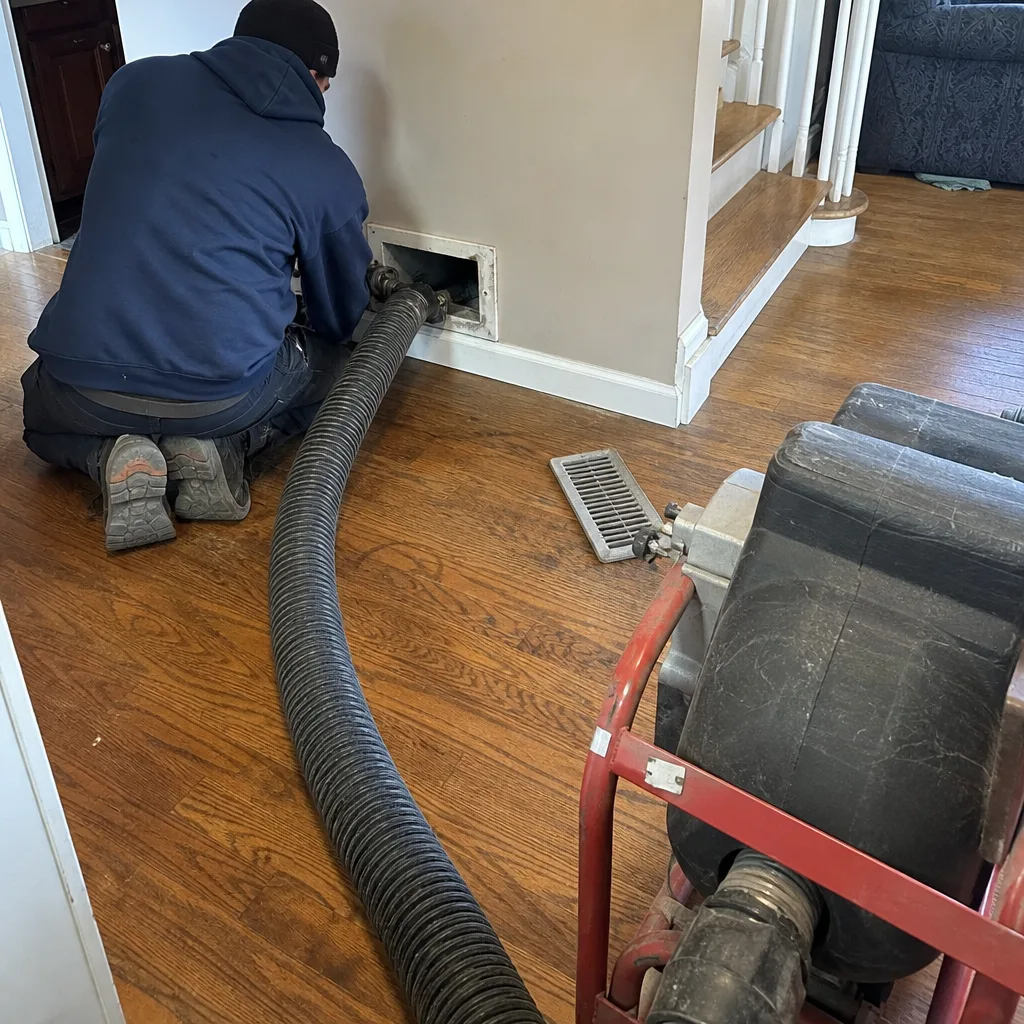
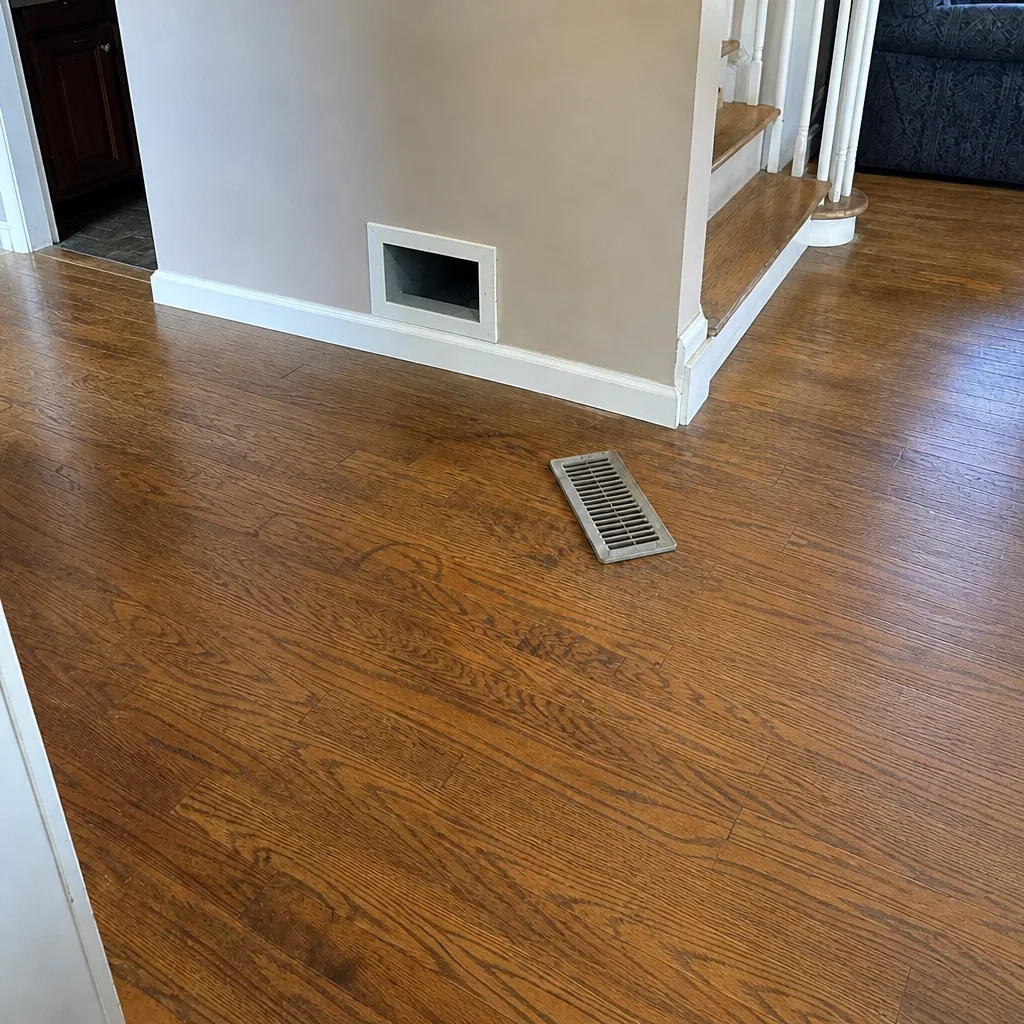
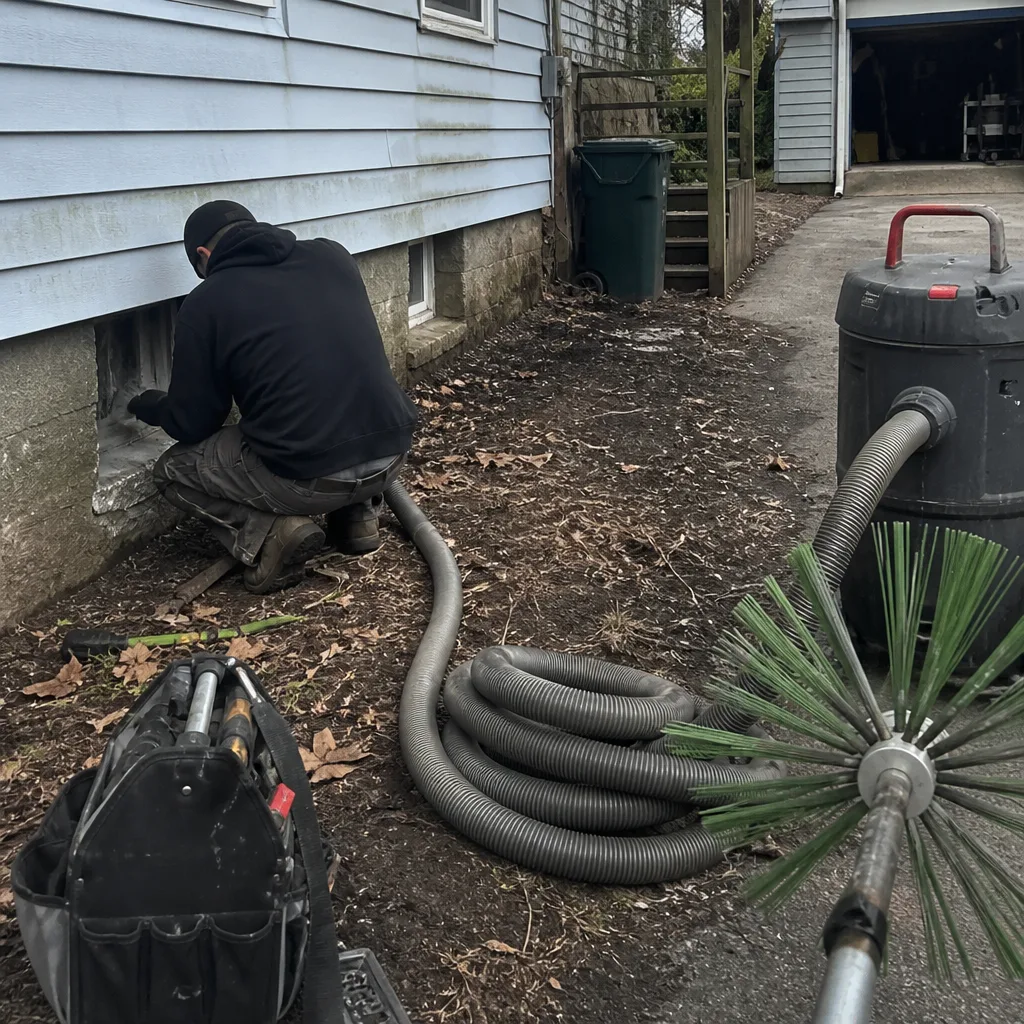
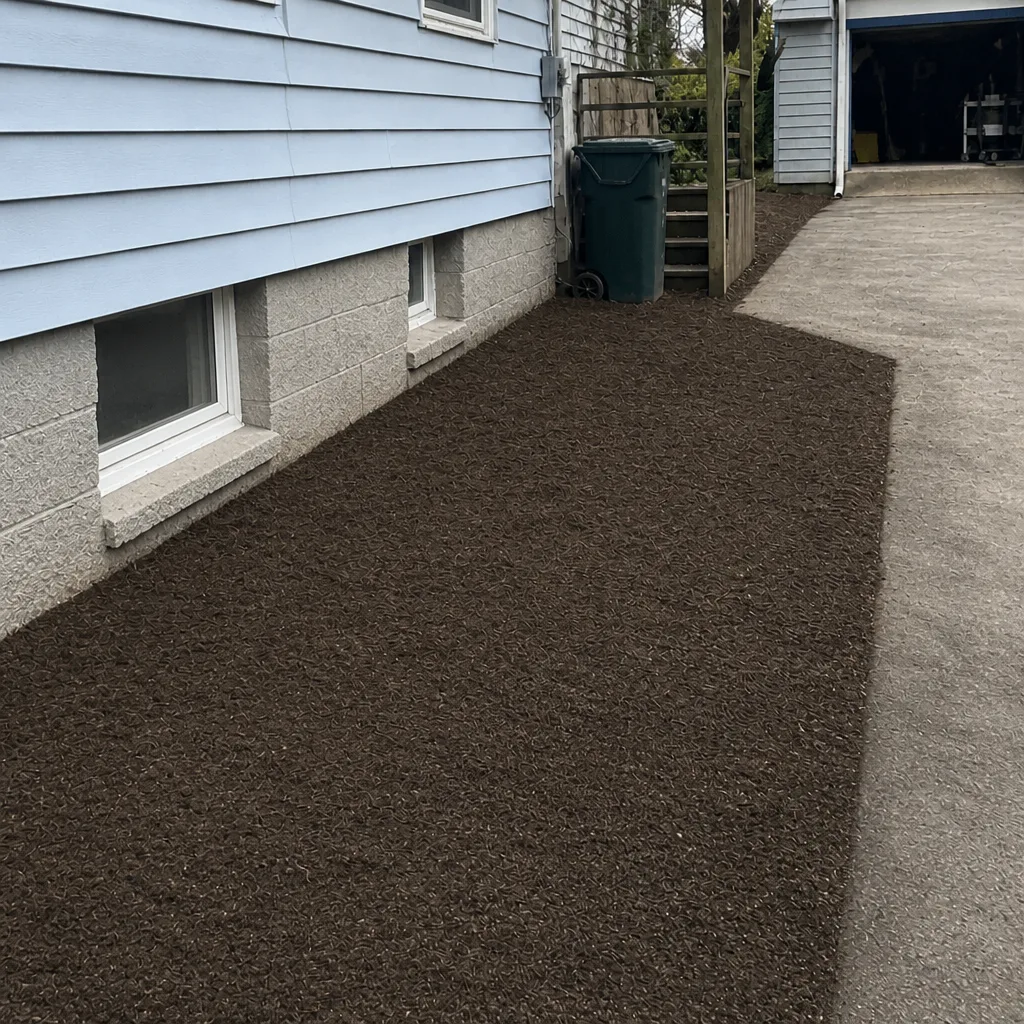
Whole-system duct and dryer vent check with before-and-after photos - you see exactly what came out of your vents
That "$99 whole-house special" is a bait ad - the real number appears once they are in your hallway, or the "clean" is a shop-vac at the register. We photograph the inside of your ducts before and after instead.
Air Duct Cleaning Maintenance Schedule: What to Do and When
Most homeowners treat duct cleaning like a car’s timing belt – a single job you do once and forget. The widely repeated “every 3 to 5 years” line gets quoted as if it were carved somewhere official, but it originated as a floor, not a standard, and it quietly assumes your ducts are sealed and modern. Thousands of Brockton homes don’t fit that assumption. They have fiberglass duct board from decades past, owners with two dogs and a cat, or a recent kitchen gut that pushed fine drywall dust into every branch line. This guide gives you a tiered schedule tied to your actual house instead of a calendar, covers what to do between professional cleanings, and shows you what to check at your registers without any tools.
A Note on the “3 to 5 Year” Rule
The 3-to-5-year interval you see on nearly every duct-cleaning site is a reasonable baseline for a well-sealed, newer home with no pets, no smoking, and no major renovation. It’s not wrong. It’s just incomplete. In our experience, that number gets repeated because it’s easy to repeat, not because it fits every house on the block. A 1950s Cape with original duct board and a long-haired dog needs a different rhythm than a 2010 build with sealed metal trunk lines and a HEPA filter on the return. Treat 3 to 5 years as your starting point if your house ticks all the “clean and sealed” boxes, then adjust upward or downward using the risk tiers below. The goal is a schedule you can actually follow, not a formula that ignores what’s inside your walls.
Styles & brands we work with
- Whole-home duct cleaning
- Dryer vent cleaning
- Camera inspection
- Sanitizing & deodorizing
Table of Contents
- Build Your Risk-Tier Schedule
- Duct Materials and Why They Matter
- Filter Maintenance Between Cleanings
- Seasonal Inspections at Registers and Returns
- Post-Renovation Cleaning: A Different Timeline
- Pairing Cleaning with HVAC Tune-Ups
- How to Choose a Duct Cleaning Company
- Add Dryer Vent Cleaning to the Schedule
Build Your Risk-Tier Schedule
The most useful thing you can do for your home is assign it a cleaning interval based on five factors. Do that once, write it down, and you’ll stop wondering whether this is the year. Here’s how the tiers work.
Factor 1: Duct Material and Age
Older fiberglass duct board – common in homes built from the 1970s through the 1990s – has an interior surface that traps dust more readily than bare sheet metal. As the board ages, its coating gets porous, and debris clings. Sheet-metal ductwork with well-sealed joints is more forgiving. If your home is older than about 30 years and hasn’t had a duct inspection, start with a professional assessment rather than a calendar guess.
Factor 2: Pets
One short-haired cat is a different story than three dogs that live indoors. Pet dander, fur, and the outdoor dirt pets bring in all enter the return air stream. Homes with multiple shedding pets typically need a shorter interval than the 3-to-5-year baseline.
Factor 3: Smoking Indoors
If anyone in the household smokes inside, the duct system carries tar-laden particles that settle on duct walls. A shorter cycle is sensible, and the cleaning itself becomes more involved because those deposits bond to surfaces.
Factor 4: Recent Renovation
Drywall dust, sawdust, and construction debris travel further than most people realize. If a renovation involved opening walls or ceilings near supply or return openings, plan a post-project cleaning regardless of when your last one was (more on that below).
Factor 5: Your Own Symptoms
Pay attention to your body. If allergy flare-ups, dust on surfaces, or musty odors come back faster than they used to, that’s a signal about air quality, not just housekeeping.
The Tiers
- Low risk: newer sealed metal ductwork, no pets, no indoor smoking, no recent renovation. Clean every 4 to 5 years. Inspect visually every year.
- Moderate risk: one or two of the factors above. Clean every 3 to 4 years.
- Higher risk: fiberglass duct board, multiple shedding pets, indoor smoking, or a recent renovation. Plan on a shorter cycle and a professional inspection sooner.
- Specific triggers: visible debris at registers, persistent musty smell, or a sudden uptick in dust means schedule a cleaning regardless of tier.
If you want a straight assessment rather than a formula, our team at Duct Cleaning Brockton will look at your setup and give you a realistic interval. The technicians here have up to 8 years of experience with exactly this kind of judgment call.
Duct Materials and Why They Matter
Not all duct systems age the same way, and the material inside your walls shapes both how often you should clean and how the cleaning is done. Brockton has a wide mix – older colonials with fiberglass board, mid-century homes with sheet-metal trunk and branch runs, and newer construction with sealed flex duct in the attic or crawlspace.
Fiberglass Duct Board
Common in homes built from the late 1970s onward, duct board is rigid insulation with a foil face on the outside and a coated interior. That interior coating is the vulnerable part. Over time it can flake, abrade, or develop minor damage, and dust catches on the rough spots. A rotary brush system has to be used with the right pressure – too aggressive and you damage the board. We use a Rotobrush rotary-brush system because it’s designed to work inside finished ductwork without tearing it up, and we inspect for board damage before running anything through.
Sheet-Metal Ductwork
Galvanized steel is durable and cleans well. The weak points are the joints and seams, where leaks allow unfiltered attic or basement air into the system. Cleaning is straightforward; sealing is often the bigger win.
Flex Duct
Flexible plastic-over-wire duct is common in short attic and crawlspace runs. It has ridges that catch dust, and sharp turns collect more. Aggressive brushing can tear the inner liner, so cleaning needs a careful approach. Flex runs also sag over time, which reduces airflow.
Duct Leaks and Repair
Whichever material you have, a duct system with loose joints or disconnected runs is pulling dust from the crawlspace or attic straight into your living space. Cleaning a leaky system is a temporary fix. That’s why a full-cycle service should include looking for leaks and offering repair, which is where a duct specialist steps apart from a general HVAC company that only cleans. If you’ve had a general HVAC outfit clean your ducts and skip the leaks, ask specifically about repair on the next visit. You can read more about what a thorough air duct cleaning involves before you book.
Filter Maintenance Between Cleanings
The single most effective thing you can do between professional cleanings costs a few dollars and takes five minutes. It’s filter maintenance. Your return-air filter is the gatekeeper, and when it’s clogged, the system pulls harder and lets more dust through anyway.
What MERV Rating Means
MERV stands for Minimum Efficiency Reporting Value. Higher numbers capture finer particles. But there’s a trade-off – a filter so dense it restricts airflow will make your blower work harder and can shorten equipment life. Match the filter to your system and your household, not to the highest number on the shelf.
- MERV 8: Good baseline for most homes. Catches larger dust and pollen. Fine for a home with no particular sensitivities.
- MERV 11: A reasonable step up for homes with pets or mild allergy concerns. Still easy on most blowers.
- MERV 13: Captures fine particles including many allergens. Best for homes with a sensitive occupant or high dust exposure, but check that your blower can handle the added resistance – some older systems can’t.
- MERV 16+: Hospital-grade. Not usually appropriate for a standard residential system unless it’s designed for it.
How Often to Change
Standard 1-inch filters: every 1 to 3 months. High-pet or high-dust homes: monthly. Thicker 4- or 5-inch media filters: every 6 to 12 months. Whatever the box says, check the filter monthly by eye. If it looks grey and fuzzy, swap it.
Brockton Considerations
If you live near the Route 24 construction corridor, outdoor dust loads can be higher than average for stretches of the year. That’s a reason to check your filter more often, not a reason to buy the most expensive filter on the shelf. Buy a three-pack of MERV 8 or MERV 11 and change on schedule.
IAQ Upgrades Worth Considering
If you find that even a good filter isn’t cutting the dust or allergies, the next step is filtration equipment inside the system. We’re authorized to work with Aprilaire and Honeywell indoor air quality components, including media cabinets and electronic air cleaners. These complement a clean duct system – they don’t replace cleaning, but they do change what goes back into the air afterward. If that’s a path you want to explore, ask about it during the estimate.
Seasonal Inspections at Registers and Returns
You don’t need tools, training, or a ladder to do a meaningful check of your duct system four times a year. Do these walkthroughs once per season and you’ll catch small problems before they turn into expensive ones. It takes about 15 minutes.
What to Look For at Supply Registers
- Shine a phone flashlight into the register opening. You should see clean duct surface, not a fuzzy grey lining.
- Look for dark streaks on the vanes or at the edges of the opening – a sign of airflow depositing dust.
- Run your finger along the inside edge. If it comes away coated, note it and add it to your inspection log.
- Feel the airflow with your hand. A noticeably weak register (compared to the others) means a leak, a damper issue, or a collapsing flex run.
- Check for musty smell at each register individually. Odor at one register points to something specific in that branch line.
What to Look For at Returns
- Pull the return grille if it’s a lift-out (no tools on many). Check for hair, dust bunnies, or pet fur sticking to the grille – clean the grille with a vacuum.
- Look at the filter housing. Any gap around the filter means unfiltered air is bypassing it.
- Notice whether the return opening is quiet or whistling. Whistling means restricted airflow – usually the filter is clogged.
- Look for water stains or rust near the return, especially in basements. That’s a moisture issue that needs attention.
Why Seasonality Matters in New England
In the Brockton climate, the annual cycle swings between heating season and cooling season. Late winter and early spring tend to bring more noticeable dust at registers because the heating system has been running for months and dry indoor air lifts dust more easily. Late summer into fall is when cooling-season condensate and humidity can leave damp spots in basement duct runs. Do your walkthrough at the start of each season and you’ll catch both patterns.
Keep a Simple Log
A note on your phone is enough. Date each inspection, note anything unusual, and write the date of your last filter change. When you call a professional later, this log tells them a lot about your system’s behavior over a year.
Post-Renovation Cleaning: A Different Timeline
A renovation cleaning isn’t a routine maintenance visit with a different label. It’s a specific job with a different scope, different equipment, and a different urgency. If you’ve just finished a kitchen remodel, an attic conversion, or any project involving drywall, sawing, or sanding, plan a cleaning regardless of when your last one was.
Why Renovation Dust Is Different
Drywall dust is fine enough to stay airborne for hours and fine enough to pass through many standard filters. It settles into duct branches and can linger there for months. Fine silica and gypsum particles in a duct system aren’t a cleaning issue you can leave for the next cycle – they’re a now issue.
What Post-Renovation Cleaning Actually Involves
- Full walkthrough and inspection – identifying which branches carried the most construction dust.
- Setting up Abatement Technologies negative-air machines to contain loose debris and prevent redistribution through the house.
- Rotary-brush cleaning of each branch line and the trunk with a Rotobrush system purpose-built for the job.
- HEPA-rated vacuum capture using Nikro equipment as we work – debris goes into the machine, not into your living room.
- Wipe-down of register and grille covers.
- Post-cleaning walkthrough with before-and-after photos so you can see what was captured.
Renovation Cleaning Intervals
Some rule of thumb: schedule the cleaning within a couple of weeks of the last construction dust event, not months later. If you’re still doing finishing work, wait until dust-producing activity is done. And if you’re close to your regular cycle anyway (within a year), the renovation cleaning replaces it rather than adding to it.
Older Homes Under Renovation
If your Brockton home is older and hasn’t had a duct system inspected, the renovation cleaning is a natural moment for a full assessment. Fiberglass board damage, sagging flex runs, and disconnected joints often reveal themselves when the system is opened up. Addressing repair at the same time saves a second visit. If you want to plan the repairs, see our Brockton page for what to expect for a local job.
Pairing Cleaning with HVAC Tune-Ups
Air duct cleaning and HVAC maintenance are separate services, but they affect each other, and knowing how to sequence them saves money and time. If you schedule them smartly, you avoid paying for a service call that only told you what you already knew.
What an HVAC Tune-Up Covers
A tune-up focuses on the mechanical equipment – furnace or heat pump components, blower, burners, refrigerant charge, safety checks. It does not typically include deep cleaning of the duct system. Many tune-up visits include a quick visual glance, but not cleaning.
Why Sequencing Matters
If you’re going to have both services in the same season, have the ducts cleaned first. A freshly cleaned duct system lets the HVAC tech see the equipment clearly, and any airflow problem that shows up after cleaning is easier to diagnose. Also, if the tune-up reveals a leak or a balance issue, you want that fixed before a cleaning so you’re not re-dirtying the system immediately after cleaning it.
Airflow Reading
A good HVAC tech measures static pressure and airflow at the air handler. If the numbers are off, they may suspect duct leaks or blockages. That’s your cue to schedule a duct inspection. Don’t let a general HVAC company sell you a cleaning on a tune-up visit as a routine add-on – ask for a diagnostic reason first, and ask what they’ll actually do inside the duct. That’s the difference between a spec-grade job and a quick swipe.
Avoiding Redundant Calls
- Keep a written service log of both types of visits – cleaning, tune-up, filter changes, repairs.
- When the HVAC tech finds something, ask whether it’s a duct issue. If yes, book a duct inspection separately.
- When a duct specialist finds something during a cleaning – a leak, a collapsed flex run, board damage – ask for it to be documented and repaired in the same cycle.
- Never let a tune-up be your only duct inspection. Equipment mechanics and duct condition are different skills.
Since this company does not do furnace repair or full HVAC installation, we focus strictly on duct cleaning, dryer vent cleaning, and duct repair. That means if a tune-up uncovers a mechanical problem, your HVAC contractor handles it, and we handle the duct side cleanly and separately. Two specialists, one clear handoff.
How to Choose a Duct Cleaning Company
This matters more than any schedule you set. A cheap coupon job can leave your ducts dustier than they were, and a “cleaning” done with a shop vac and a flexible wand won’t touch deposits on fiberglass board. Here’s what to look for and ask before booking.
Questions to Ask Before Booking
- What equipment do you use? Professional duct cleaning requires a rotary-brush system and a truck-mounted or portable vacuum rated for the work. Rotobrush is the industry standard for the brush side; Nikro HEPA-vacuum systems are the standard for capture on IAQ-sensitive jobs. If the answer is “a big vacuum,” that’s a warning.
- How do you contain debris? Ask specifically about negative air. Abatement Technologies negative-air machines keep dislodged dust from drifting through the house while the cleaning runs.
- Do you inspect the duct material first? A pro checks whether you have fiberglass board, sheet metal, or flex, and adjusts the approach accordingly.
- What about repair? A cleaning-only company will point at a leak and clean around it. A full-cycle duct specialist can repair the leak. Ask before you book.
- Do I get before-and-after photos? Ask directly. Photos of your own ducts are the single most useful proof the work was actually done.
- What about IAQ? If you’re considering air duct cleaning for health reasons, ask about post-cleaning filtration options. A specialist authorized to work with Honeywell and Aprilaire can offer real upgrades.
- What’s the scope of the estimate? Whole-system pricing set out in writing, or per-vent? Per-vent pricing invites an upsell once the tech is on site.
Red Flags
- Per-vent pricing with an “add-on” per extra register.
- No mention of equipment brands, or a shop vac in the truck.
- No photos, no inspection, no written scope.
- Quoting a cleaning without ever asking about your duct material or your home’s history.
Add Dryer Vent Cleaning to the Schedule
Duct cleaning is the headline, but the schedule should include your dryer vent. A clogged dryer vent is a leading cause of residential house fires, and it’s a completely preventable one. Lint accumulates in the flex run behind the dryer and in the exterior termination hood, restricting airflow and creating a fire risk. Some of the same equipment we use for air ducts gets repurposed for dryer vent cleaning – the same professional-grade vacuum capture and careful handling of the flex run.
Standard Dryer Vent Cleaning Interval
- Most households: once every 12 to 18 months.
- Larger households, frequent laundry, or long vent runs: every 6 to 12 months.
- What to look for between cleanings: clothes take longer to dry, the dryer feels hot to the touch on top, lint is visible around the lint trap housing beyond what the trap catches.
- Signs of a serious clog: the exterior vent flap doesn’t open well when the dryer runs, or you smell something warm near the vent. Stop using the dryer and get it cleaned.
Why This Belongs in Your Schedule
Homeowners tend to remember duct cleaning and forget the dryer vent entirely, or vice versa. Both run on a cycle and both matter. Put them on the same tracker – one line item for each, with the last-service date. When either comes due, call once and handle both in the same visit if scheduling allows.
Safety Note
If your dryer vent run is long, has multiple elbows, or terminates in an inaccessible location, leave the cleaning to a professional. Lint compaction in a run that’s too long to reach with consumer tools can turn a simple cleaning into a project. The professionals carry the brushes, the vacuum equipment, and the access tools.
Common Mistakes to Avoid
- Following the 3-to-5-year rule without checking your risk tier. A household with three dogs and fiberglass duct board is not the same as a well-sealed newer home. Apply the tier framework before setting your interval.
- Skipping the filter between cleanings. A clogged filter starves airflow and makes the system pull dust from wherever it can find it – including leaky joints. One clean filter a month is more valuable than one deep cleaning a decade.
- Cleaning before renovating instead of after. Post-renovation cleaning makes sense only when the dust-producing work is finished. Cleaning mid-project and then cutting more drywall is money down the drain.
- Booking a cleaning-only company that leaves the leaks alone. Cleaning a system with disconnected runs or damaged fiberglass board will make it cleaner for a while and then let the same problems right back in. Ask for repair capability.
- Trusting a per-vent or coupon figure on the phone. The low sticker price in the ad is rarely what you’ll be billed once the equipment is inside. Ask for a written whole-system estimate before work starts, and check whether photos of your own ducts are included.
- Forgetting the dryer vent. Because it’s a separate system, it slips off the maintenance radar. Lint buildup is a real fire risk, and the cleaning interval is shorter than the duct one.
- Never checking registers seasonally. A 15-minute walkthrough four times a year will catch leaks, musty odors, and weak airflow long before they show up on an energy bill. No tools required, and it tells you when to call a professional.
See the difference
 Before
 After
 Before
 After
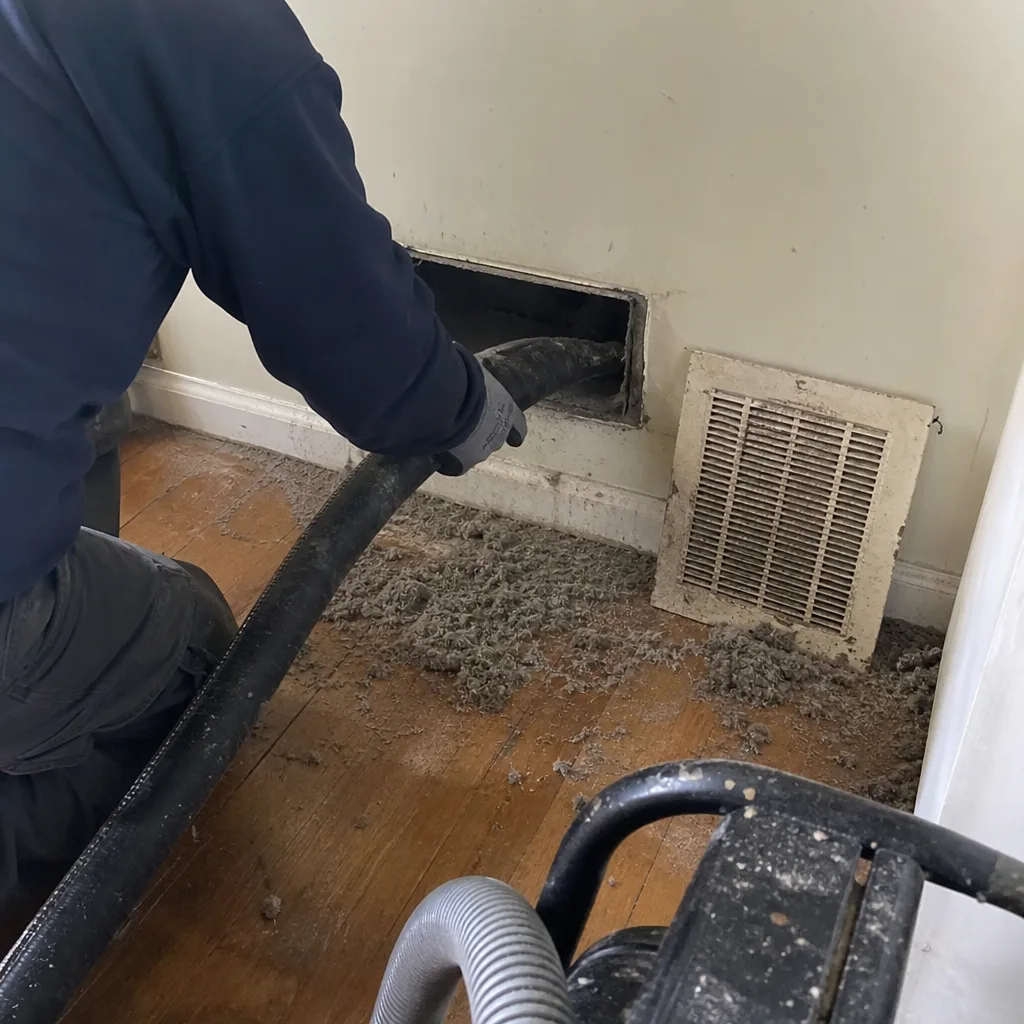 Before
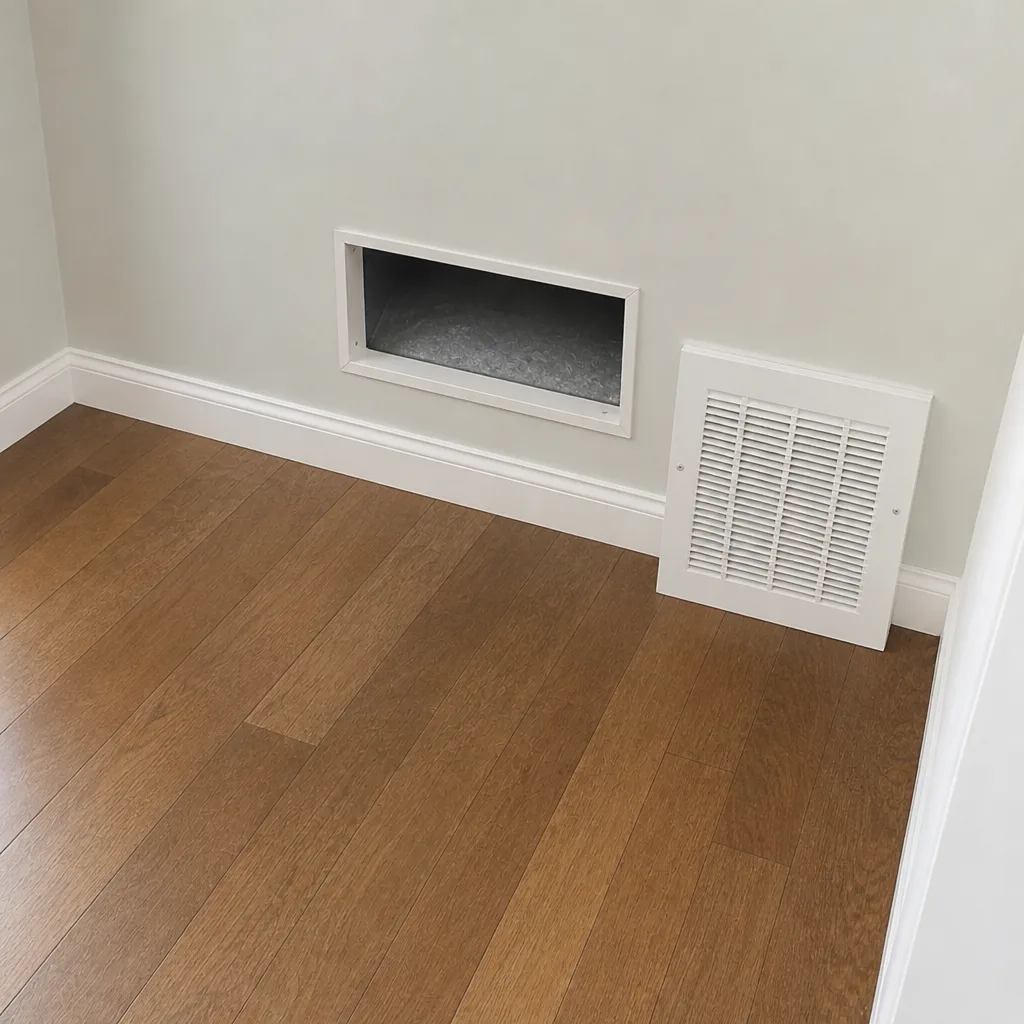 After
When to Call a Professional
Some maintenance is yours to do – filter changes, seasonal register inspections, and the log-keeping. Others call for a professional. The specific triggers:
- You’ve just finished a renovation involving drywall, sanding, or demolition near any register or return.
- You can see visible debris or dark buildup inside the supply registers, even after a thorough vacuum of the grilles.
- A persistent musty or stale smell comes from the registers, especially in one room.
- You have fiberglass duct board that hasn’t been inspected, or you suspect leaks at joints or disconnected flex runs.
- Your household has multiple pets, or anyone smokes indoors, and the last cleaning was more than 3 years ago.
- Your HVAC tech has flagged an airflow problem that could trace to the ducts.
- You haven’t had a dryer vent cleaned in over 18 months, or the dryer is taking noticeably longer to dry clothes.
Duct Cleaning Brockton offers free estimates in Brockton – call (844) 834-2553. Our team uses Rotobrush and Nikro equipment, contains debris with Abatement Technologies negative-air machines, and can look at duct repair at the same time. We answer 24/7. Fast dispatch from 7am to 7pm, Sunday through Friday.
Frequently Asked Questions
For most Brockton homes, a cleaning every 3 to 5 years is a reasonable starting point – but adjust it based on your duct material, pets, smoking, and renovation history. Homes with fiberglass duct board or multiple shedding pets typically need a shorter interval. Call (844) 834-2553 for a free estimate.
Look at your registers and returns. Visible debris or dark streaks inside the register openings, persistent musty odors, or a noticeable uptick in dust on surfaces are the three most reliable signs it’s time. A short professional inspection can confirm rather than guess. Estimates are free.
A post-renovation cleaning is a larger-scope job timed to construction dust and uses negative-air containment throughout – which is why it’s a different line item, not a routine visit relabeled. The sequencing is also different: it comes after dust-producing work is finished, not before. Call (844) 834-2553 to talk through your project timeline.
Because the scope is smaller and the equipment is different. A shop vac and a flexible wand will not capture deposits on fiberglass duct board, and it won’t contain dislodged dust. A professional-grade job uses a rotary-brush system (like Rotobrush) and HEPA-rated vacuum capture (like Nikro). The estimate should be a written whole-system price, not per-vent. Call (844) 834-2553 for a quote you can compare.
Before-and-after photos of your own ducts are the simplest proof, and a professional job should include them as part of the service. Ask before booking. Our team provides photos as part of every cleaning. Call (844) 834-2553 for a free estimate.
Repair first, then clean, is the right order when you can – otherwise the cleaning is undone by the same leaks letting in the same dust. A duct specialist can assess both in the same visit, which is why “cleaning plus repair” is the smarter one-stop than booking two separate companies. Call (844) 834-2553 to schedule a both-in-one assessment.
Clean the ducts first when both are due in the same season. The HVAC tech can then read airflow clearly on a clean system, and any duct leak that the cleaning uncovers can be addressed before the tune-up results get muddled. Call (844) 834-2553 to book the duct side first.
Yes, in a practical sense. A rental with a high turnover rate and a short-term guest cycle concentrates dust differently than an owner-occupied home, and the maintenance calendar usually needs a moderate tier. Our team can walk through the property with you. Call (844) 834-2553 for a free estimate.
The Bottom Line
A duct cleaning schedule built on a single number will either over-service some homes or under-service others. Build it from your actual risk factors – duct material, age, pets, smoking, renovation history – and the answer becomes clearer. Between professional cleanings, change filters on schedule, do a 15-minute register walkthrough each season, and keep a simple log. Pair the cleaning with an HVAC tune-up in the same season with the ducts done first, and add dryer vent cleaning to the same tracker as a fire-safety measure. When you’re ready for a professional assessment, call (844) 834-2553. We answer 24/7. Fast dispatch from 7am to 7pm, Sunday through Friday.
Written by the team at Duct Cleaning Brockton.