
Last updated November 16, 2026
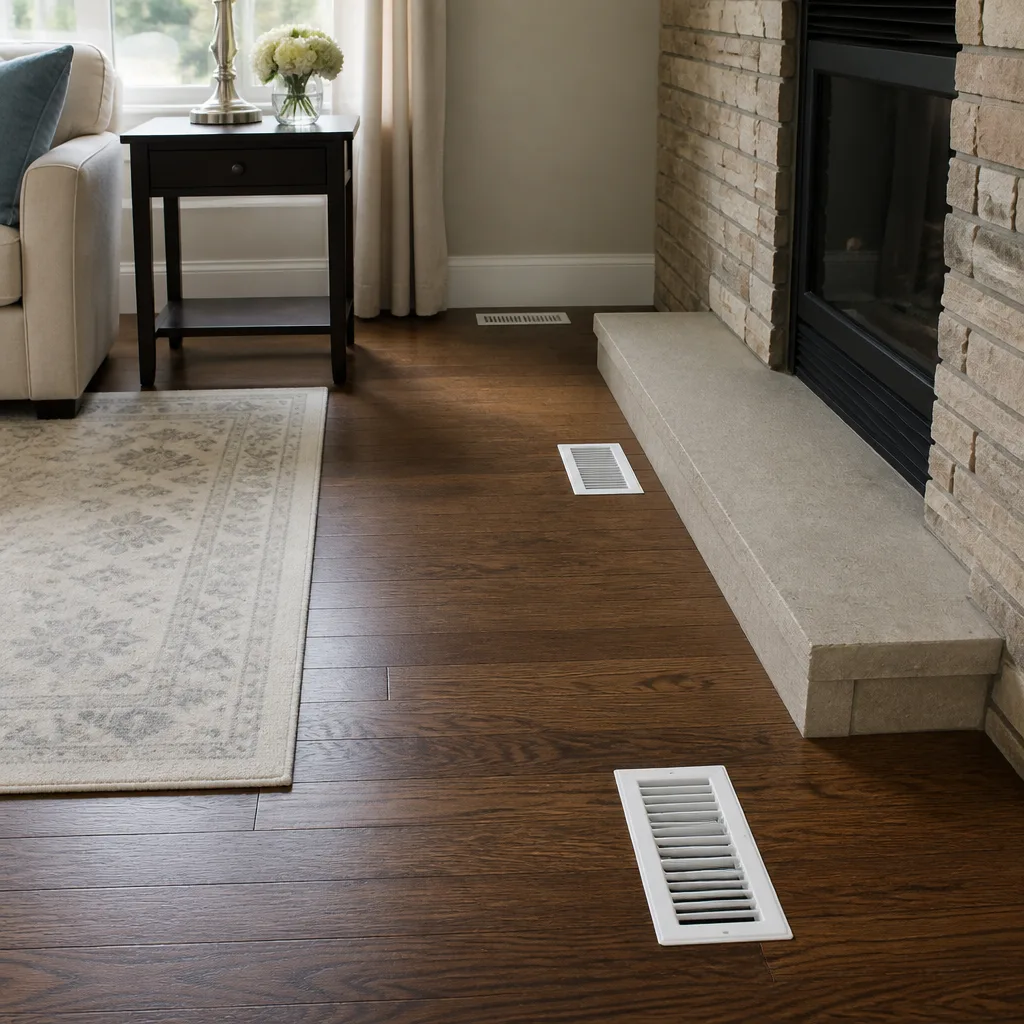 Whole-home duct cleaning
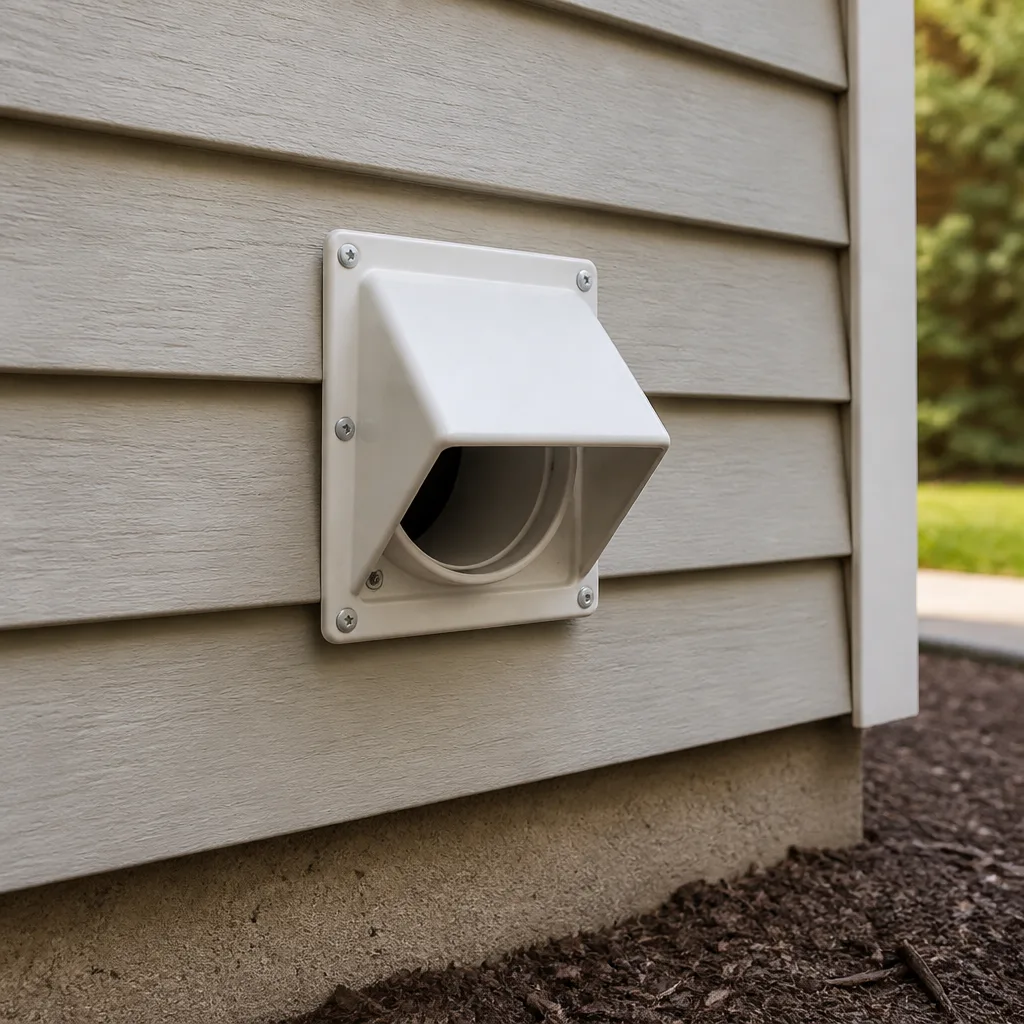 Dryer vent cleaning
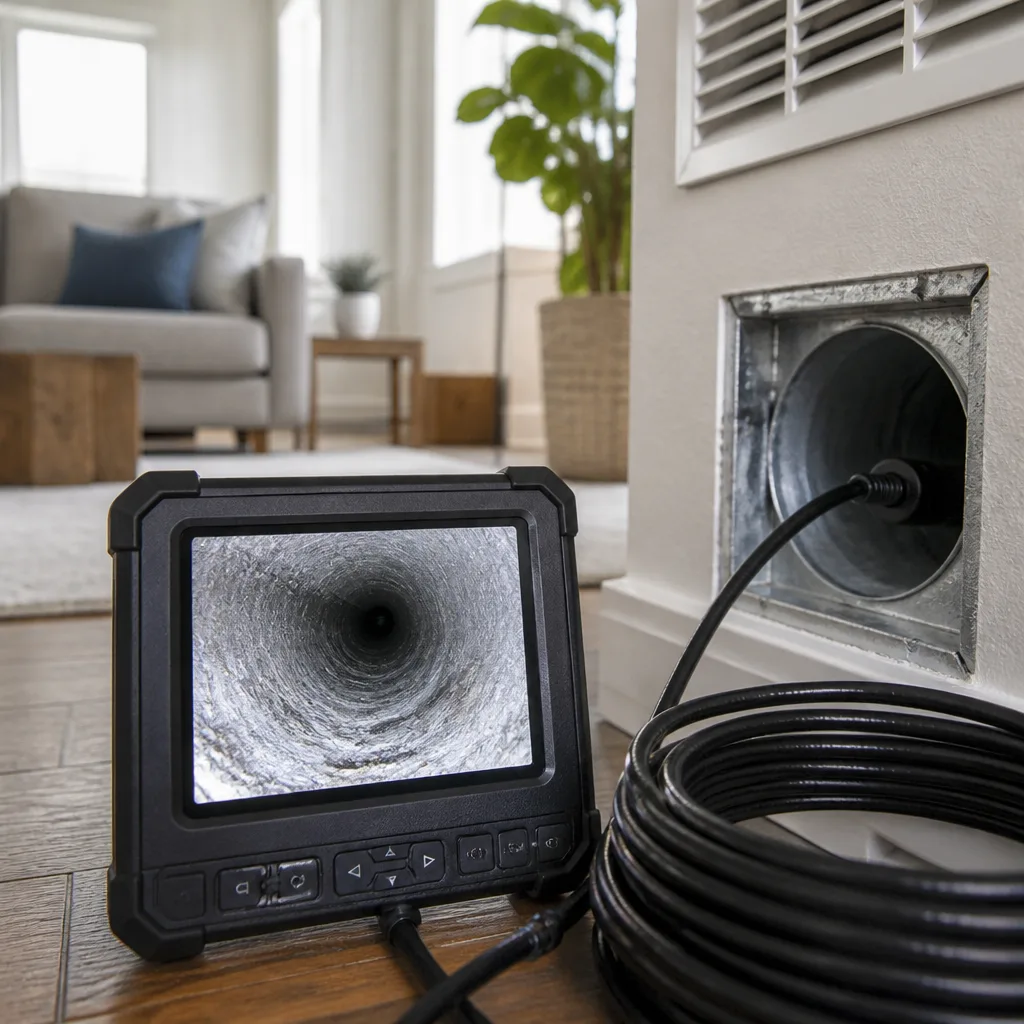 Camera inspection
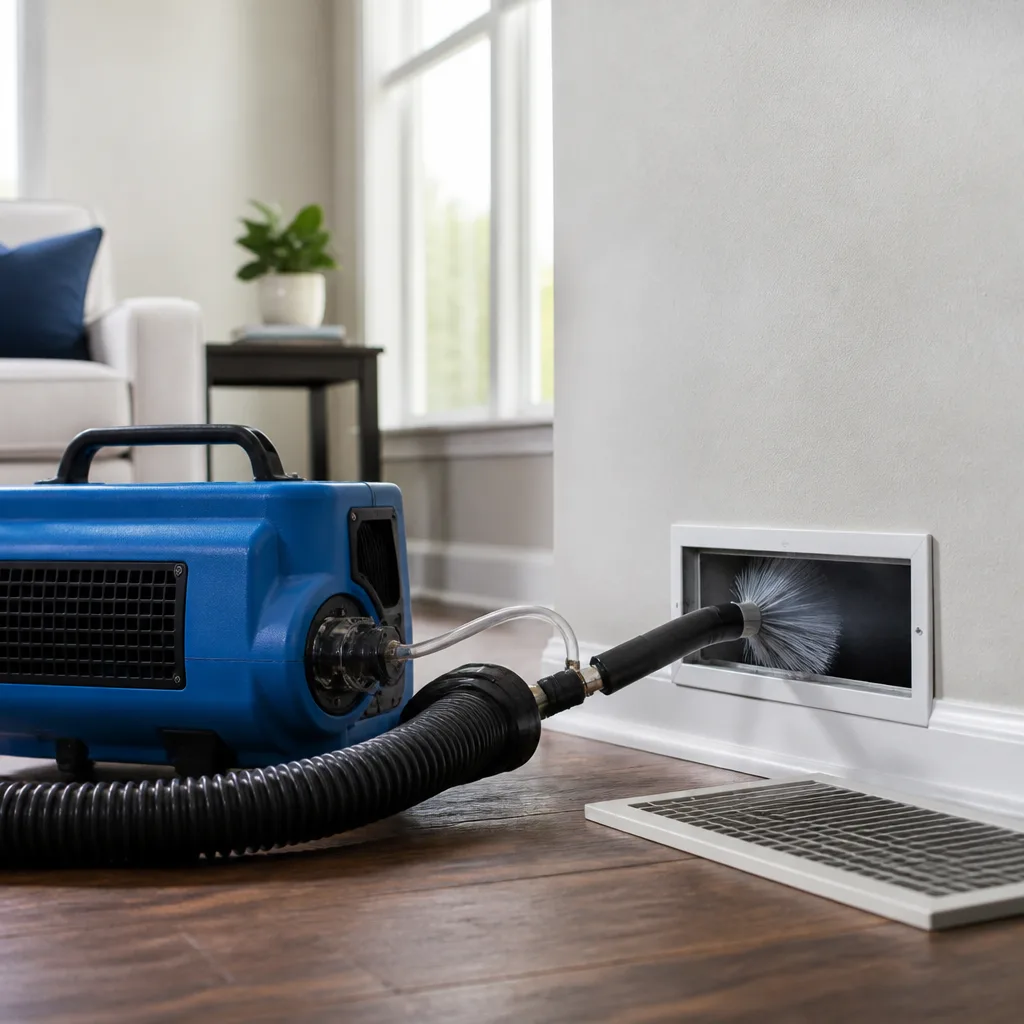 Sanitizing & deodorizing
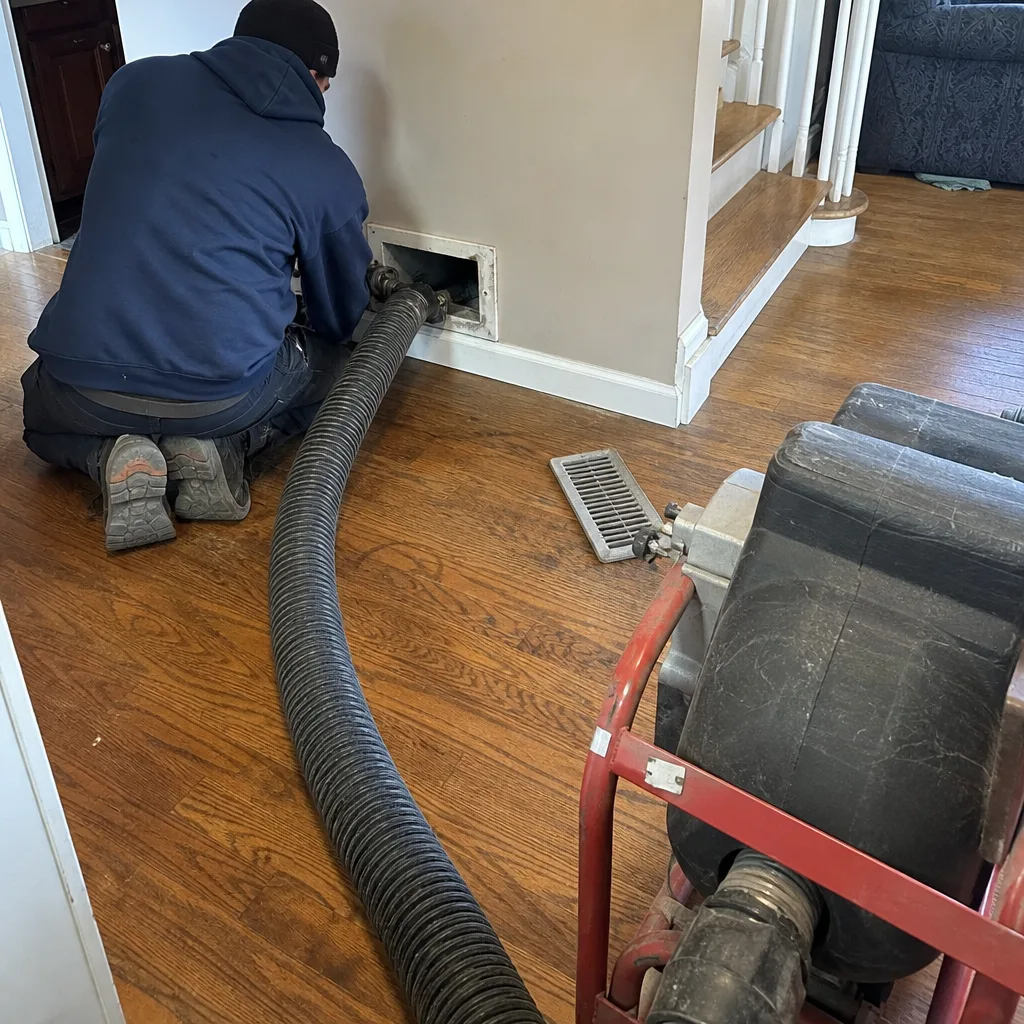
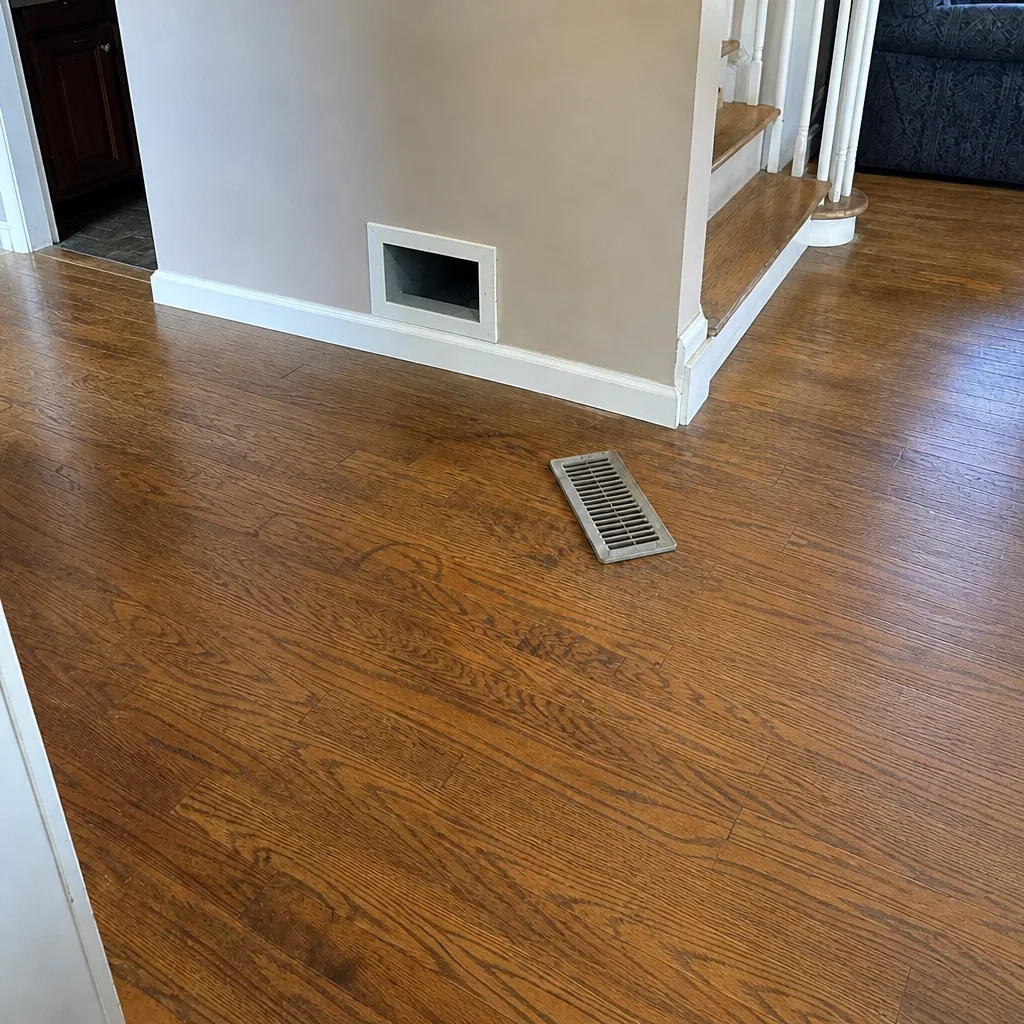
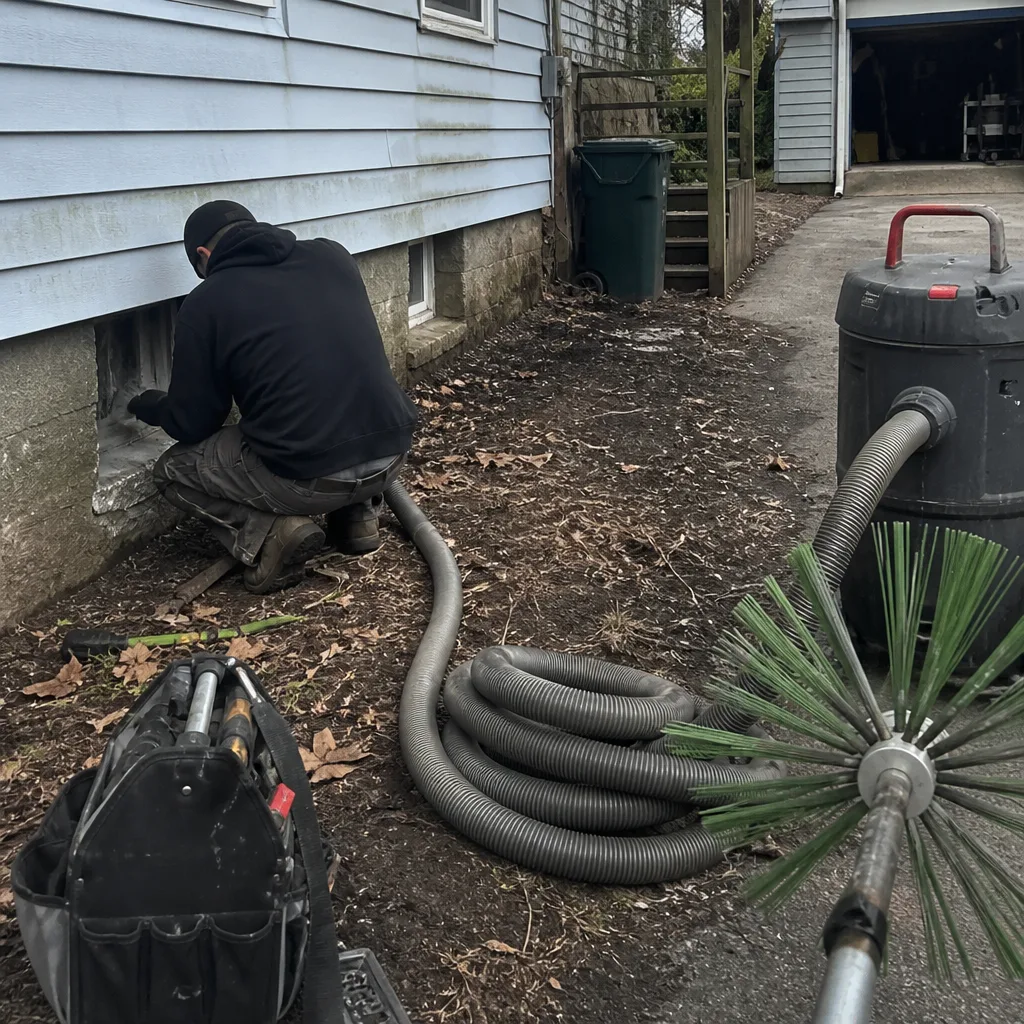
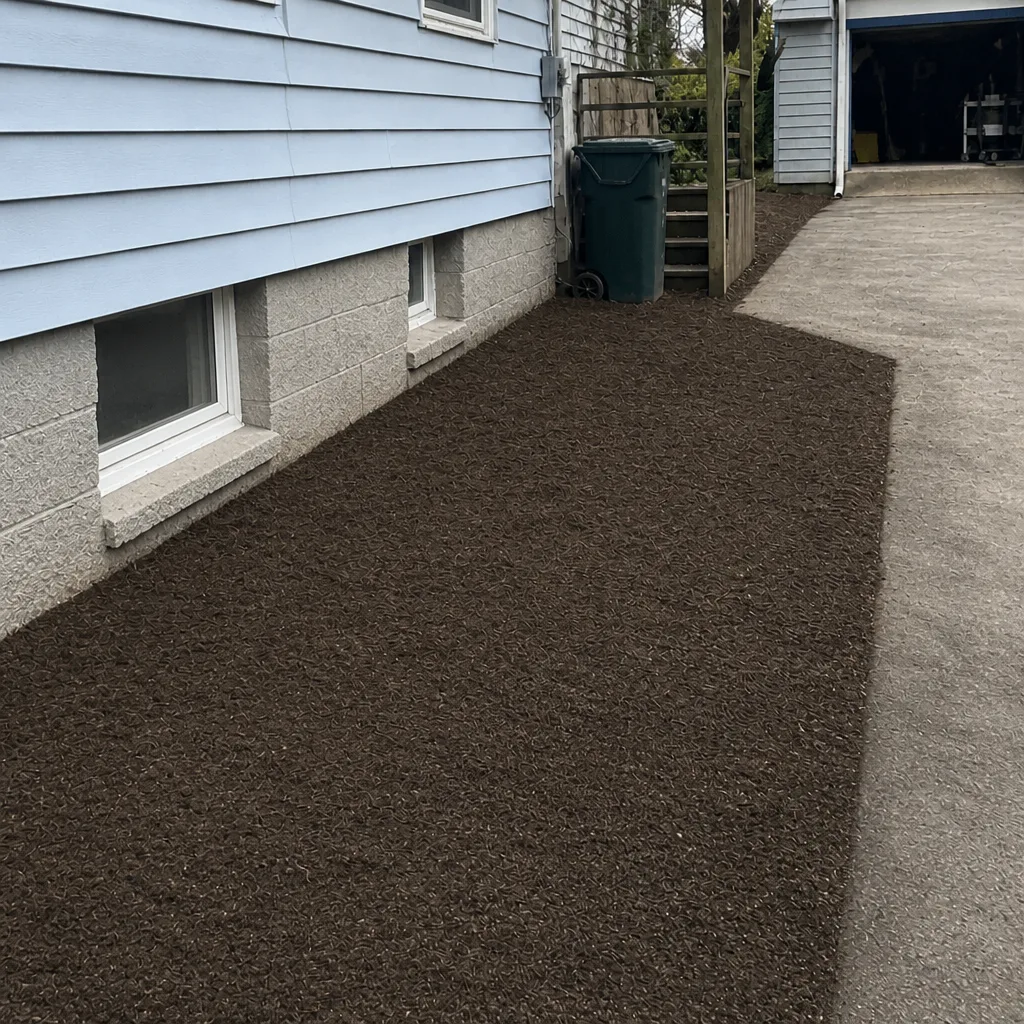
Whole-system duct and dryer vent check with before-and-after photos - you see exactly what came out of your vents
That "$99 whole-house special" is a bait ad - the real number appears once they are in your hallway, or the "clean" is a shop-vac at the register. We photograph the inside of your ducts before and after instead.
DIY vs Professional Air Duct Cleaning: The Brockton Homeowner’s Decision Guide
Every hardware store sells a dryer vent brush kit marketed for duct cleaning. What the packaging doesn’t mention is that agitating debris without simultaneous high-CFM extraction sends it into your living space. This isn’t a skill problem. It’s a physics problem. Consumer vacuums and brush kits simply cannot move the volume of air required to pull debris out of a long duct run, so the work often displaces contamination instead of removing it. In this guide, we’ll show you exactly where that gap lives, what a Brockton homeowner can legitimately handle alone, and which parts of the job need professional equipment. You’ll finish knowing when DIY is sensible and when it quietly makes things worse.
Quick Answer
A professional air duct cleaning in Brockton uses high-CFM vacuum systems and rotary brushes that physically remove debris from the duct run, while DIY brush kits and shop vacuums mostly loosen dust without capturing it. DIY makes sense for register wipe-downs and straight-run dryer vent maintenance; anything touching deep duct runs, damaged flex duct, or fiberglass lining should go to a professional with HEPA-filtration equipment. The difference isn’t effort. It’s airflow.
Styles & brands we work with
- Whole-home duct cleaning
- Dryer vent cleaning
- Camera inspection
- Sanitizing & deodorizing
Table of Contents
- The CFM Gap: Why Consumer Equipment Can’t Move Duct Debris
- What a Brockton Homeowner Can Legitimately DIY
- What Requires Professional Equipment (And Why)
- Why Older Brockton Homes Raise the Stakes
- The Real Cost Comparison: DIY vs Professional
- The Narrow Scenario Where DIY Makes Sense
- Why Cleaning Without Repair Leaves Money on the Table
- How Often Ducts Actually Need Attention in Brockton
The CFM Gap: Why Consumer Equipment Can’t Move Duct Debris
CFM means cubic feet per minute. It’s the measure of how much air moves through a system, and it’s the single number that separates professional duct cleaning from every consumer kit on the shelf. A typical wet-dry shop vacuum pulls somewhere in the range a homeowner could compare to a decent household appliance. A Rotobrush rotary-brush system paired with a Nikro HEPA vacuum and an Abatement Technologies negative-air machine moves air at a scale those units can’t approach. That gap isn’t a marketing difference. It’s the physical reason professional cleaning removes debris while DIY agitation just stirs it.
Here’s what happens in a typical duct run when you agitate debris without enough extraction:
- Loose dust and settled particles break free from duct walls.
- The airflow inside the house’s own HVAC system stays the same.
- The loosened material gets pulled toward supply registers or pushed back toward the return.
- That material now travels into the rooms people breathe in, rather than into a capture system.
Professional cleaning reverses that sequence. The negative-air machine creates a pressure differential that pulls the whole duct system under containment before any rotary brush touches a wall. The brush dislodges debris inside the sealed system, and the HEPA vacuum captures it at the collection point. Rotobrush rotary agitation is genuinely effective, but only because it works inside a pressure-controlled environment where the debris has nowhere to go except into the capture unit.
In Brockton, that matters in real terms because of the housing stock. Many of the city’s older homes run long duct paths through second floors and additions, which means more surface area, more settled dust, and more chances for a displaced pile to reach a bedroom vent. A homeowner who agitates duct debris on the first floor of a third-story walk-up on the north side can send a visible dust cloud into rooms on the second floor minutes later. Professional cleaning with proper CFM prevents that outcome because the whole system is under negative pressure before the work begins.
What a Brockton Homeowner Can Legitimately DIY
Some maintenance tasks belong to the homeowner. Register cleaning, visual inspection of accessible duct sections, and dryer vent maintenance on a straight run are all reasonable. The line isn’t about trust, it’s about access and equipment. Anything you can reach with a screwdriver and a rag is a DIY job. Anything that requires entering the sealed duct system is not.
Here are the tasks a Brockton homeowner can handle without special equipment:
- Register wipe-downs. Remove supply and return grilles, wash them in the sink with warm soapy water, and dry them completely before reinstalling. This alone cuts visible dust particles in a room significantly.
- Boot inspection. A flashlight and a phone camera let you look inside the first few inches of a duct boot behind the register to see if there’s visible dust buildup or debris. If you spot a clogged or collapsed boot, stop and call a professional rather than reaching in.
- Straight-run dryer vent cleaning. A dryer vent that runs in a straight line from the back of the dryer to an exterior wall can be swept with a dryer vent brush kit and checked for lint buildup. This is a legitimate homeowner task, and it’s one of the highest-value ones because lint buildup is a leading cause of house fires.
- Filter changes. Replacing the furnace filter on schedule protects the air you breathe and reduces the load on the duct system. This isn’t duct cleaning, but it’s the single best maintenance habit for indoor air quality.
- Furniture and vent clearance. Make sure furniture, rugs, and curtains don’t block registers. Blocked vents push more dust into the surrounding rooms.
Notice what’s missing from that list: anything inside the duct trunk line, anything inside a return, anything requiring a look past the first elbow. Wet-dry vacuums and dryer vent brush kits are legitimate tools, but they’re tools for a narrow job. When a hardware store markets the brush kit for “duct cleaning,” the marketing is doing the talking, not the physics.
If a homeowner in Brockton wants to keep on top of dust between professional cleanings, register wipe-downs and filter changes do most of the work. For the deeper stuff, professional air duct cleaning is the right call.
What Requires Professional Equipment (And Why)
Duct cleaning beyond the register isn’t a bigger version of the same job the homeowner can do. It’s a different job that requires sealed containment, fixed airflow direction, and rotary agitation that can reach the full length of a duct run. Here’s a walkthrough of what a professional cleaning involves and why each step needs the equipment it uses:
- System inspection and setup. The technician identifies the duct layout, checks for damage, and places the collection unit at an accessible point in the system, usually at the main trunk or a return.
- Sealed containment. An Abatement Technologies negative-air machine establishes pressure inside the system before any debris is disturbed. This is the step consumer equipment can’t replicate because there is no consumer equivalent.
- Rotary brush agitation. A Rotobrush rotary brush head feeds through the duct run and mechanically scrubs settled debris off the walls. The brush rotates on a flexible shaft, agitating every surface it passes.
- HEPA vacuum capture. A Nikro HEPA vacuum pulls dislodged debris into a collection chamber rather than letting it move through the house. The HEPA rating means captured particles stay captured, including the fine fraction that ordinary vacuum filters would pass back into the room.
- Register and boot cleanup. After the main run is cleaned, the technician cleans registers and boots that the rotary brush can’t easily reach.
- Post-clean inspection. The technician checks the duct interior visually and confirms there’s no visible debris or damage left behind.
The brands matter here because they’re not interchangeable marketing labels. Rotobrush is purpose-built for duct cleaning; it isn’t a repurposed vacuum attachment. Nikro HEPA units and Abatement Technologies negative-air filtration are the same class of equipment used in remediation work, where the standard for containment is higher than the standard for a house cleaning. When a Brockton homeowner opens the front door to a duct cleaner who walks in with a shop vac and a brush, the physical process that follows isn’t the process duct debris requires.
We’ve seen what that difference looks like in practice. The immediate result of an improper cleaning can look fine – registers come out cleaner, the room smells less dusty for a few days. The problem is what got pushed deeper into the run or aerosolized into the house instead of captured.
Why Older Brockton Homes Raise the Stakes
Brockton’s housing stock runs from compact post-war construction to bungalows and older multi-family homes, and that matters for duct cleaning because the materials inside those ducts aren’t all the same. Duct systems built decades ago often line supply runs with materials that don’t tolerate aggressive agitation well. When those materials are already degrading, a brush kit that agitates without proper containment can aerosolize insulation fibers into the air the household breathes.
Here are the specific conditions that raise the risk of DIY duct cleaning in Brockton:
- Damaged flex duct. Flex duct tears are common in older systems where the outer vapor barrier has cracked. A rotary brush running through a section of damaged flex can push fiberglass insulation fibers into the airstream.
- Fiberglass duct lining. Some older duct interiors are lined with fiberglass acoustic material. Even in good condition, it needs careful cleaning. In degraded condition, it needs repair before cleaning.
- Loose joints and taped seams. Duct tape from two or three decades ago dries out and lets dust escape into wall cavities. Cleaning without repair pushes more debris into those gaps.
- Disconnected runs. A duct that’s become disconnected in a crawl space or wall cavity isn’t moving air into the room it was built to serve. A brush kit doesn’t find that. A proper inspection does.
- Return duct contamination. Return ducts carry unprepared air back to the furnace. In older homes, they’re often the most contaminated part of the system – and they aren’t reachable through a register.
The aerosolization point is worth pausing on. When insulation fibers from a degraded duct system get mechanically agitated without extraction, they enter the same indoor air that family members breathe. That’s a health concern, not a cosmetic one, and it’s the scenario where DIY costs more than it saves. A proper Duct Cleaning Brockton service starts by inspecting for damage specifically because that inspection determines whether the system should be cleaned at all before it’s sealed for cleaning.
If a Brockton homeowner sees visible dust piles inside a ceiling boot, hears rattling in the ductwork when the blower kicks on, or notices that rooms in the house don’t heat or cool at the same rate, professional inspection is the right next step. Those are signs a duct system is already struggling and needs more than agitation.
The Real Cost Comparison: DIY vs Professional
Homeowners often frame this decision as cost. Consumer equipment on the shelf looks inexpensive compared to a professional booking. The real comparison isn’t shelf price, it’s what you actually end up paying once the DIY attempt gets as far as its equipment allows. Here’s the honest breakdown:
- Consumer equipment. A basic wet-dry vacuum, a dryer vent brush kit, and a flashlight add up quickly, and none of them are purpose-built for duct cleaning. The vacuum has no HEPA-rated filter at the standard professional units meet, and the brush kit is designed for lint, not for settled duct particulate.
- Time cost. A homeowner attempt might take a full afternoon and still only reach the first elbow of each run. The hours add up, especially in an older Brockton home with long duct paths.
- Redistribution risk. A DIY attempt can push debris into the home or into a duct section that then needs professional cleaning anyway. In that case the homeowner pays twice.
- Professional cleaning. A single service with proper equipment cleans the entire reachable system in one visit. The estimate you get before work starts is the whole job.
It’s worth saying out loud what we do at the end of every job: one flat price per system, agreed before any work begins, no per-vent pricing, no bait-and-switch. The reasons to be cautious about duct cleaning quotes aren’t invented – a lot of coupons advertise one price and arrive with a much larger estimate once the technician is on-site. We price per system so the number you hear is the number you pay for the cleaning, and we use before-and-after photos of your own ducts to show the work was actually done.
Consumer equipment also can’t do the fiberglass-lined and damaged-duct repairs those systems need. A duct cleaning service that can only clean and not repair leaves the homeowner with a cleaner duct that still leaks air into a crawl space. That’s a cost hidden in the utility bill, not the invoice. If you want an accurate number for your home, the estimate is free and the scope is set in writing before work begins. Call (844) 834-2553. We answer 24/7. Fast dispatch from 7am to 7pm, Sunday through Friday.
The Narrow Scenario Where DIY Makes Sense
DIY duct work has a place, and we’d rather name it honestly than pretend nobody should ever pick up a brush. The genuine use case is maintenance between professional cleanings, not a replacement for them. If the system was cleaned recently, or if the homeowner just wants to keep dust load down, a register wipe-down and a straight-run dryer vent sweep do real work. The line is whether you’re touching air that the system itself circulates through the house or just the surface of a vent grille.
Here’s how to tell which side of the line you’re on:
- Above the line (DIY is fine). Washing return and supply regs. Changing the furnace filter. Vacuuming a dryer vent on a straight run with a proper brush kit. Clearing furniture away from registers. Visual inspection of a reachable boot with a flashlight.
- Below the line (call a professional). Cleaning any duct behind the register. Cleaning the trunk line or any main run. Anything involving flex duct, fiberglass lining, or a return that runs through a wall cavity. Anything where debris is visible deeper than a few inches into a boot. Any evidence of pest activity inside a duct.
The short version: if you can reach it without removing a wall or crawling into a sealed cavity, DIY is defensible. If you can’t, it isn’t. And if you’re not certain which category a task falls into, the cost of a free estimate is nothing compared to the cost of making a duct problem worse. Professional inspection tells you exactly what needs cleaning, what needs repair, and what can wait.
For dryer vent cleaning in particular, DIY on a straight run is a reasonable routine. On a vent with elbows, a roof termination, or a run longer than about a dryer’s distance to an exterior wall, the brush kit can jam and leave lint behind – and lint compaction in a vent is exactly what causes house fires. The stakes on that job are higher than they look, which is why a licensed professional is the right call when the run isn’t simple.
Why Cleaning Without Repair Leaves Money on the Table
Here’s a piece of this decision most comments on DIY vs professional never cover: cleaning and repair are two different jobs, and a lot of duct cleaning services only do the first. Cleaning a duct system with leaks still leaves conditioned air escaping into a wall cavity or a crawl space. Cleaning a system with a disconnected run still leaves rooms that never get airflow. The cleaning removes the dust. The repair stops it from coming back through the same gaps.
What proper duct repair involves when it’s done as a full-cycle service:
- Inspection. The technician checks for leaks, disconnected joints, collapsed flex, and degraded lining, often with a camera where the reachable view doesn’t cover the whole run.
- Sealing. Leaky joints and torn sections are sealed with duct-appropriate materials – not the peel-and-stick tape that dries out after a few years.
- Reconnecting. Disconnected runs are refastened and sealed so the duct moves air where it was built to.
- Rerouting when needed. Sometimes a duct run was poorly installed or rerouted in a way that costs the homeowner airflow. Correcting it is often what actually fixes a hot room.
- Post-repair verification. The technician confirms the repaired system is delivering airflow before it’s handed back.
Homeowners who’ve had a cleaning-only service before often notice that the difference felt small. That’s usually because the system has two problems and only one was addressed. Cleaning removes the dust load; repair removes the reason the system gets dusty fast in the first place. The two together are worth more than either alone. A generalist HVAC company will typically clean and stop there. A duct specialist that also offers repair can hand back a system that’s actually sealed and delivering. If airflow problems persist after cleaning, it’s worth checking whether repair is what the system needs. Our Brockton team handles both under one roof.
How Often Ducts Actually Need Attention in Brockton
There’s no universal schedule that fits every Brockton home, despite what the marketing on some sites suggests. Duct cleaning frequency depends on the household more than on the calendar. A few practical benchmarks help. A well-maintained duct system in a home with no pets, no recent renovation, and no allergy sufferers often goes several years between cleanings. A home with shedding pets, more than one occupant with respiratory sensitivity, recent construction dust, or visible dust coming out of registers may need it every couple of years. There’s no fixed number that applies everywhere, and any company that tells you otherwise is guessing at best.
The conditions that signal it’s time to book an inspection, as opposed to a fixed interval:
- Visible dust collecting on the surface of registers within a few weeks of cleaning them.
- Persistent musty or stale smell through the house when the system runs.
- Allergy or asthma symptoms that get worse indoors and ease outside.
- Rooms that heat or cool noticeably differently from one another.
- A recent renovation, roof work, pest activity, or water event that could have introduced debris.
- Dryer lint appearing around the vent exterior or a dryer taking longer to dry clothes.
If none of those apply, register wipe-downs and filter changes are usually enough to keep the system in good shape, and a professional cleaning every few years as part of a broader maintenance routine is sensible. If two or more apply, call for an inspection rather than waiting.
One further point on IAQ: cleaning removes debris, but filtration and humidity control are what keep the duct system clean longer. We work with Honeywell and Aprilaire IAQ systems as a natural follow-on to duct cleaning, because the homeowner who wants cleaner air isn’t just asking for a one-time service, they’re asking for a system that keeps working between cleanings. Filters, humidifiers, and ventilation controls from those lines exist specifically to improve what goes back into the air in a home. If the ducts are clean and the air still feels heavy, the missing piece is usually filtration, not another cleaning.
Common Mistakes to Avoid
- Assuming any duct cleaning company uses duct cleaning equipment. Consumer shop vacuums and brush kits are the wrong tool for ductwork. A company that shows up with them will agitate more than it removes. Ask what equipment is coming before you book.
- Trusting a coupon price as the final cost. The advertised number is designed to get the technician on-site, where a much larger estimate appears. Look for one flat price per system, agreed in writing, with before-and-after photos.
- Cleaning a duct system before it’s inspected for damage. A degraded flex run or compromised fiberglass lining shouldn’t be agitated. Inspection first, cleaning second, repair if needed.
- Reaching into a duct boot that has visible insulation hanging into it. That’s a sign of fiberglass lining degradation. Stop, call a professional, and don’t try to pull material out.
- Ignoring the dryer vent. The dryer vent is a duct too, and lint buildup in it is a leading cause of residential fires. If the vent run has elbows, goes through the roof, or is longer than the basic run, call a professional for the dryer vent cleaning service.
- Expecting cleaning to fix a hot room. Cleaning removes dust; it doesn’t fix airflow. A room that never heats or cools is a repair problem, not a cleaning problem, and it’s worth having it diagnosed before you pay for a cleaning that doesn’t address it.
- Skipping the register wipe-downs between cleanings. It’s the cheapest step in the whole maintenance routine and it’s the one most homeowners let slide for years.
See the difference
 Before
 After
 Before
 After
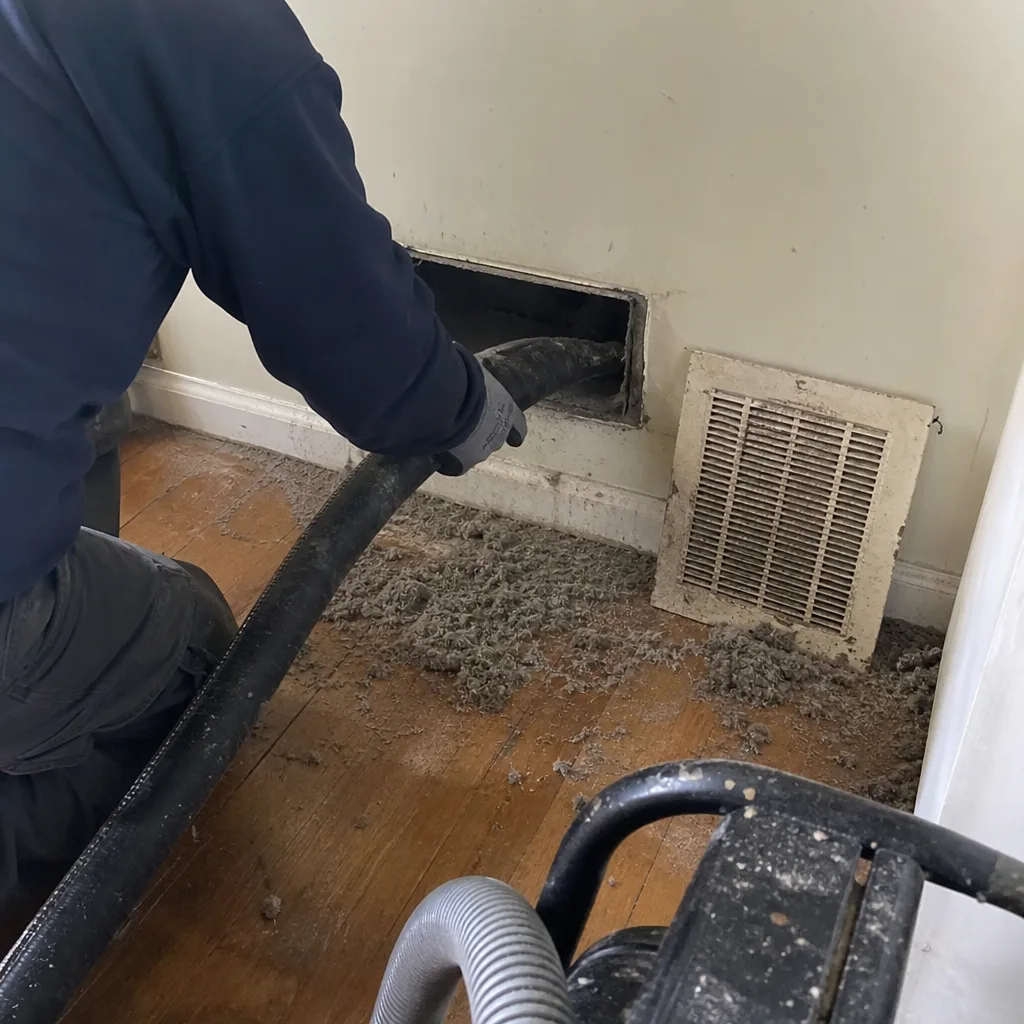 Before
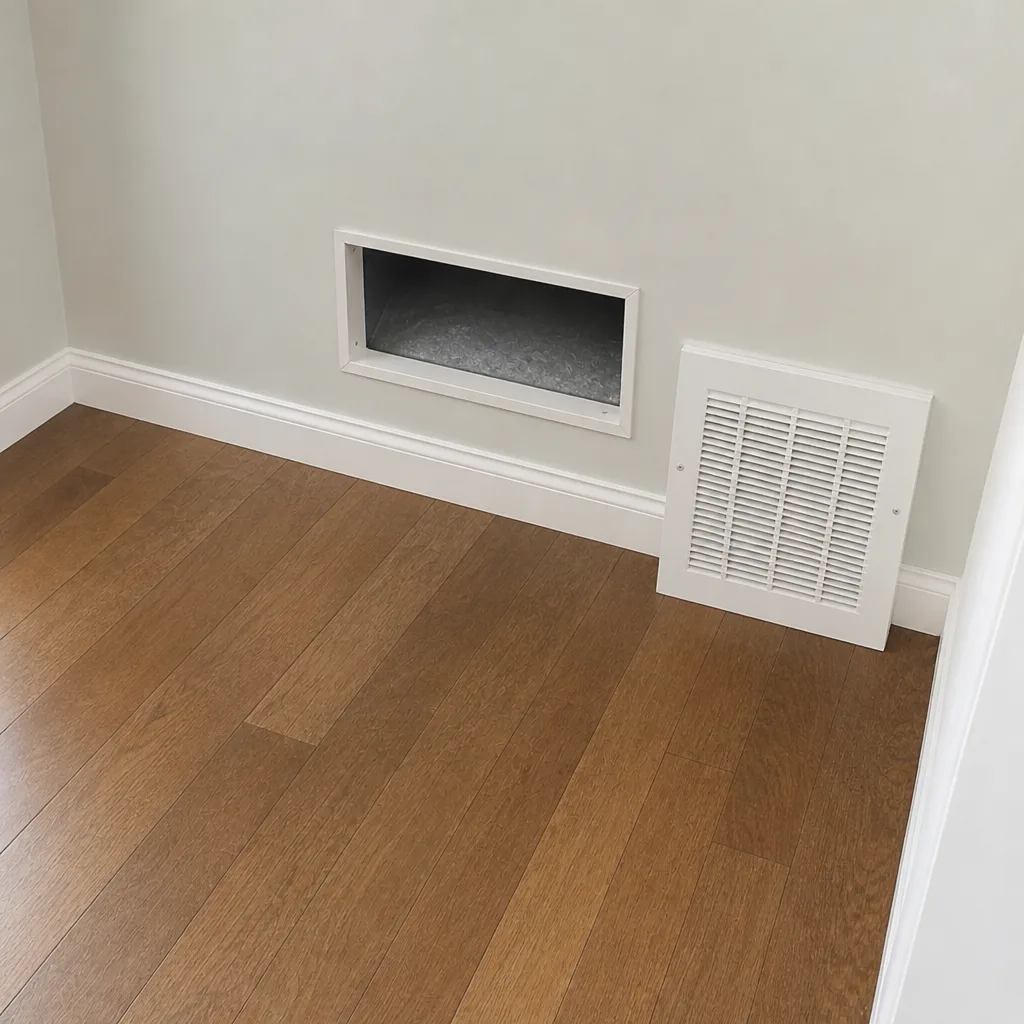 After
When to Call a Professional
Call a professional duct cleaner when the task involves anything behind a register, any part of the trunk line or return runs, any duct with visible flex damage or fiberglass lining degradation, or any sign that the system isn’t sealing air where it should. Also call when you’re not sure the system needs cleaning at all – an estimate tells you whether it does, and that’s worth knowing before you spend a weekend on it. Duct Cleaning Brockton offers free estimates in Brockton. Call (844) 834-2553. We answer 24/7, and fast dispatch runs from 7am to 7pm, Sunday through Friday. Estimates are free, and the written price per system is set before any work begins.
Frequently Asked Questions
Air duct cleaning in Brockton is priced per system, not per vent, and the honest answer is that the range depends on the number of runs, the accessibility of the trunk line, and whether repair work is needed. We give one flat price per system in writing before work begins, and the written estimate sets the final price. If a quote arrives as a coupon price that climbs once the technician is on-site, that’s the pattern to walk away from. Call (844) 834-2553 for an exact quote – estimates are free.
Cheap quotes usually reflect a different job, not a cheaper version of the same one. A low bid often means a shop vacuum and a brush kit rather than a HEPA vacuum with negative-air containment, no inspection for damaged ductwork, and often a per-vent add-on price once the technician is inside. The equipment a real cleaning requires costs what it costs, and a quote that ignores that is a quote that doesn’t do the work the duct system needs. If the numbers don’t seem to add up, ask what equipment is coming. Call (844) 834-2553 for a quote that reflects the actual scope.
Ask for before-and-after photos of your own ducts. That’s the standard we hold to: rather than describing what was done, we show it. A proper cleaning also leaves a visible difference in the register surfaces and the interior of reachable boots, and a duct specialist with repair capability can show you whether the system’s sealing was addressed. Call (844) 834-2553 to book a cleaning and see the photos when the job finishes.
There’s no universal schedule, and any company that gives you a fixed interval without looking at your system is guessing. In a typical Brockton home with no pets, no recent renovation, and no allergy concerns, several years between cleanings is common. Homes with shedding pets, recent construction dust, or family members with respiratory sensitivity may need it more often. The right trigger is what the system is doing: visible dust buildup on registers, persistent smells when the system runs, or rooms that don’t heat evenly. Call (844) 834-2553 for an inspection if any of those apply – estimates are free.
Yes, when it’s done without inspection for damage first. Older duct systems often have aging flex duct, degraded fiberglass lining, or joints that have loosened over time. Agitating those materials with insufficient extraction can aerosolize insulation fibers into the household air, and cleaning without repair pushes debris into gaps the cleaning was supposed to seal. This is one of the reasons we inspect before we clean and repair as part of the same job. If your home’s ductwork hasn’t been looked at in years, call (844) 834-2553 for an inspection before booking cleaning.
Cleaning removes dust load from the inside of the ducts; repair fixes the physical problems – leaks, disconnected joints, damaged flex, degraded lining – that made the system dusty in the first place. Homes often need both, and cleaning without repair leaves the reason for the contamination in place. Full-cycle service means the same team can diagnose, clean, and repair the system rather than handing you back a cleaner duct that still doesn’t move air properly. Call (844) 834-2553 to find out which your Brockton home actually needs.
The Bottom Line
The DIY vs professional question for duct cleaning isn’t about whether the homeowner is capable. It’s about whether consumer equipment can do the job, and in most cases it can’t, because airflow is the limit. Register wipe-downs, filter changes, and straight-run dryer vent maintenance are genuinely DIY tasks. Cleaning duct runs, return systems, and anything involving damaged flex or fiberglass lining requires the containment and capture that purpose-built equipment provides. Professional cleaning also pairs naturally with repair, since both problems are usually present in an older Brockton home. The estimate is free, the price is set per system in writing, and the before-and-after photos exist so you see the work was actually done, not just hear about it.
If you’d rather have the question settled by a professional who can look at your system and tell you what it actually needs, that’s the right next step. Call (844) 834-2553 for a free estimate. We answer 24/7. Fast dispatch from 7am to 7pm, Sunday through Friday.
Written by the team at Duct Cleaning Brockton.