
Last updated November 16, 2026
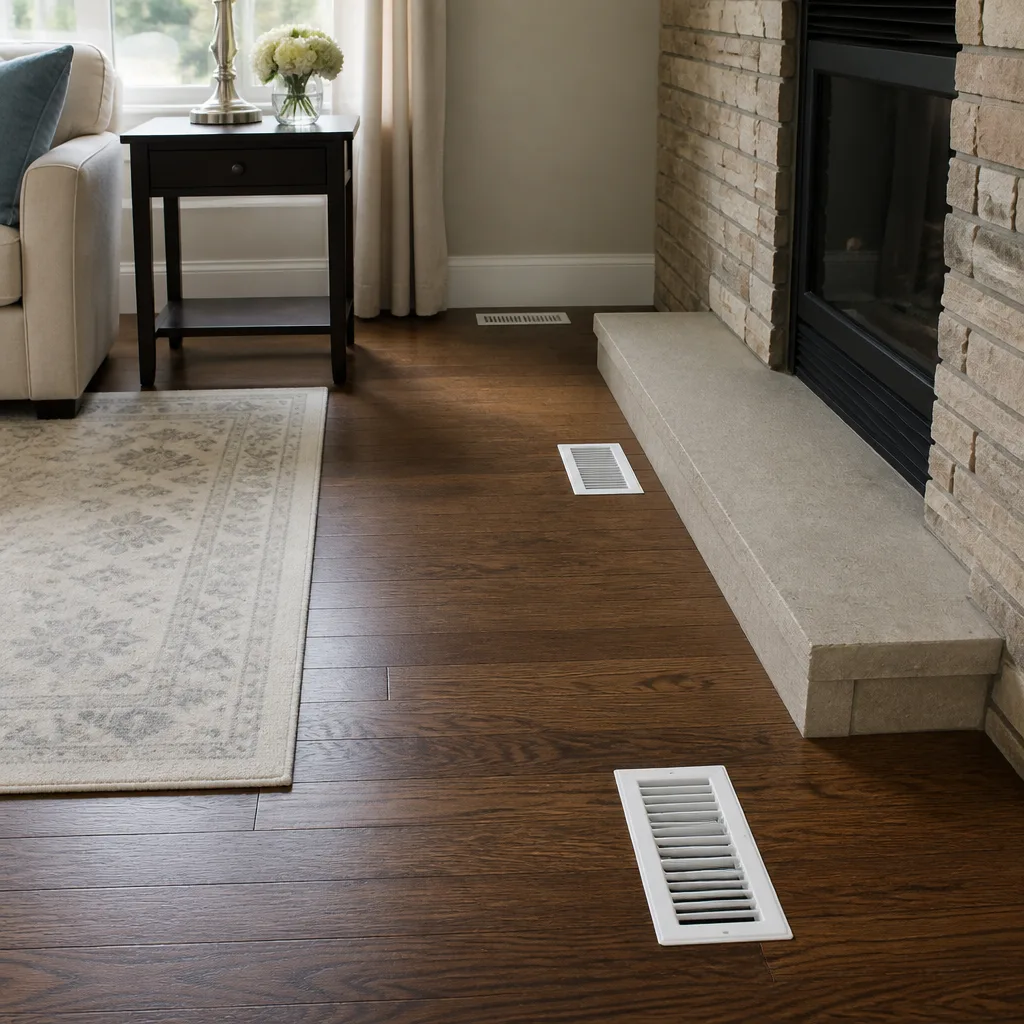 Whole-home duct cleaning
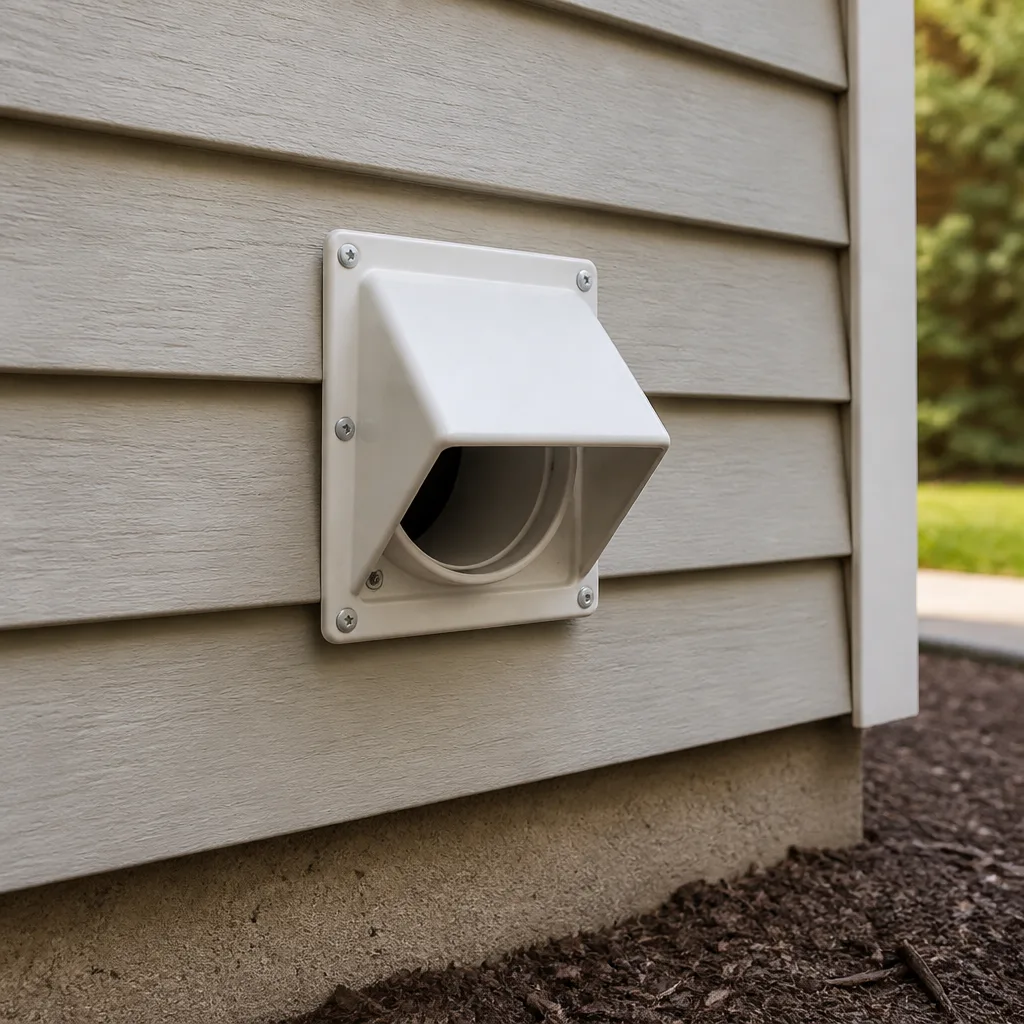 Dryer vent cleaning
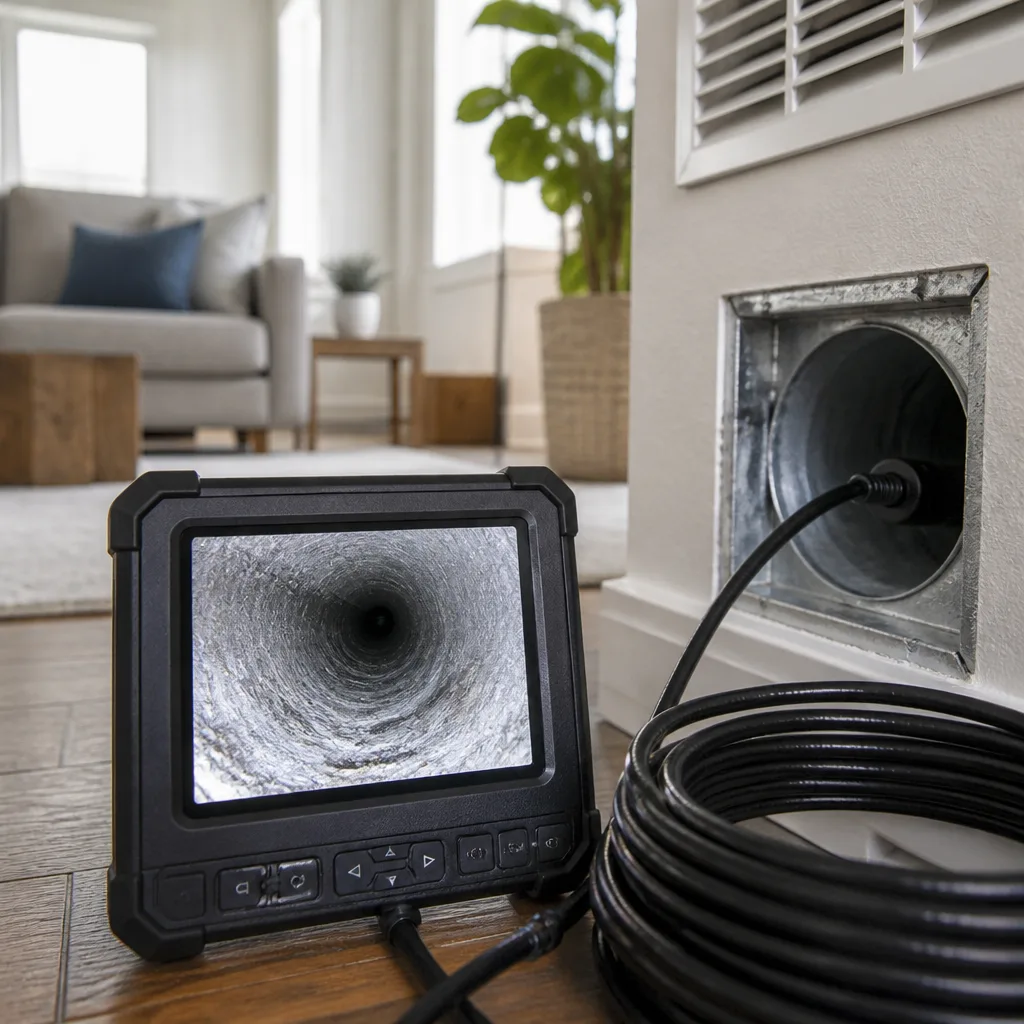 Camera inspection
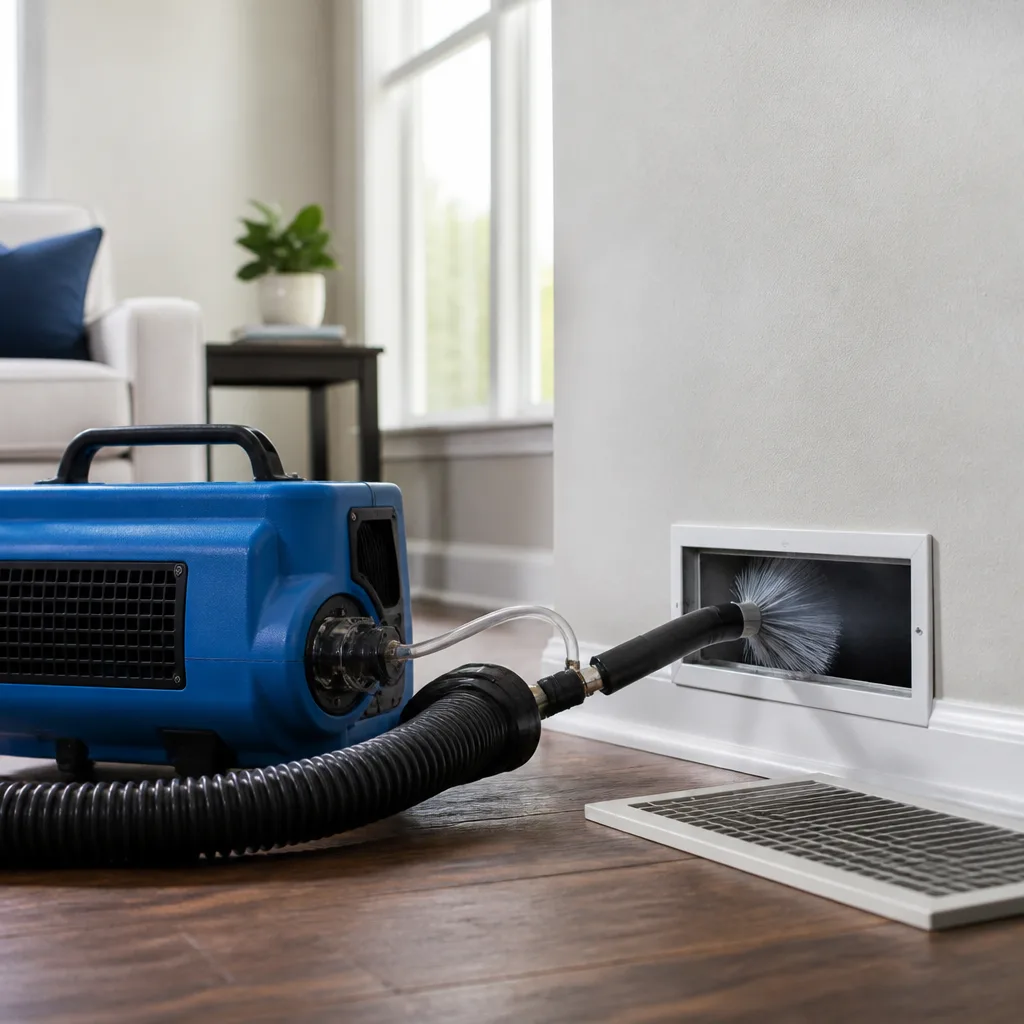 Sanitizing & deodorizing
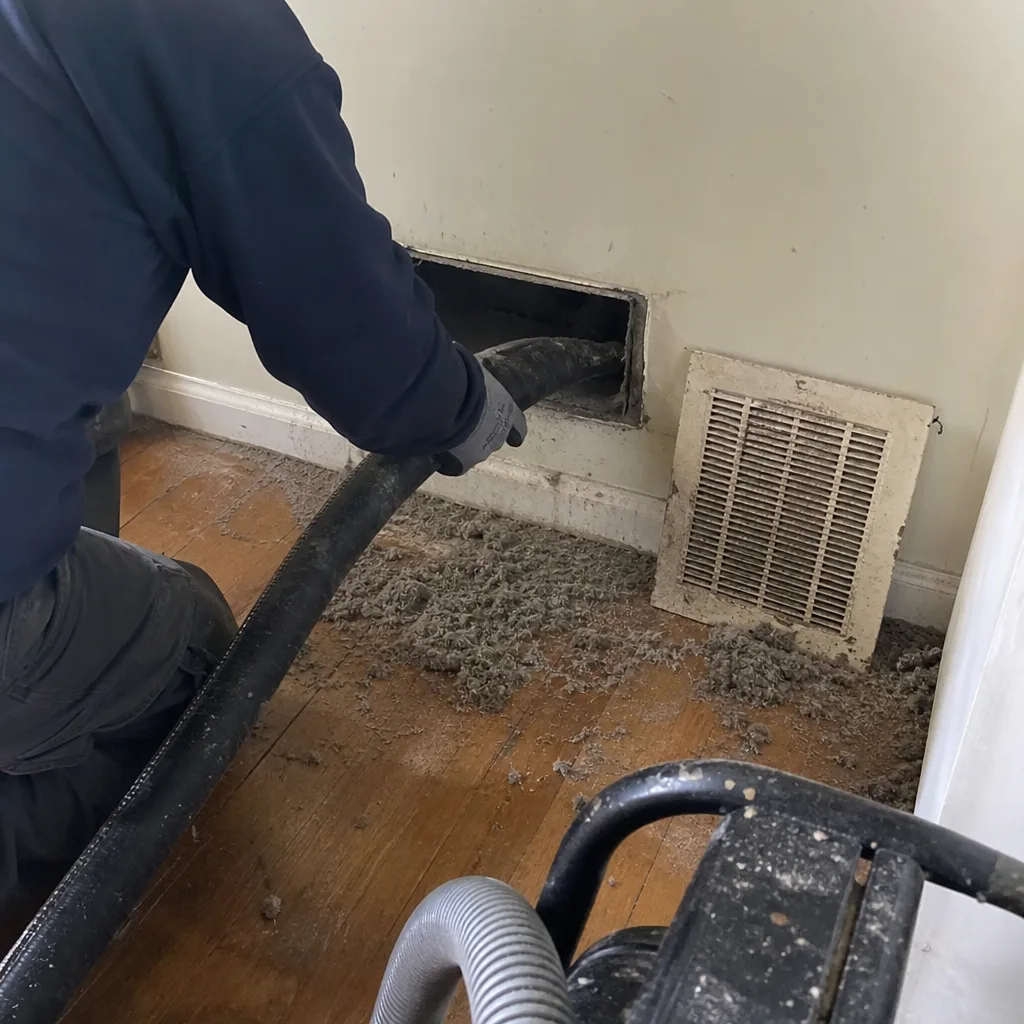
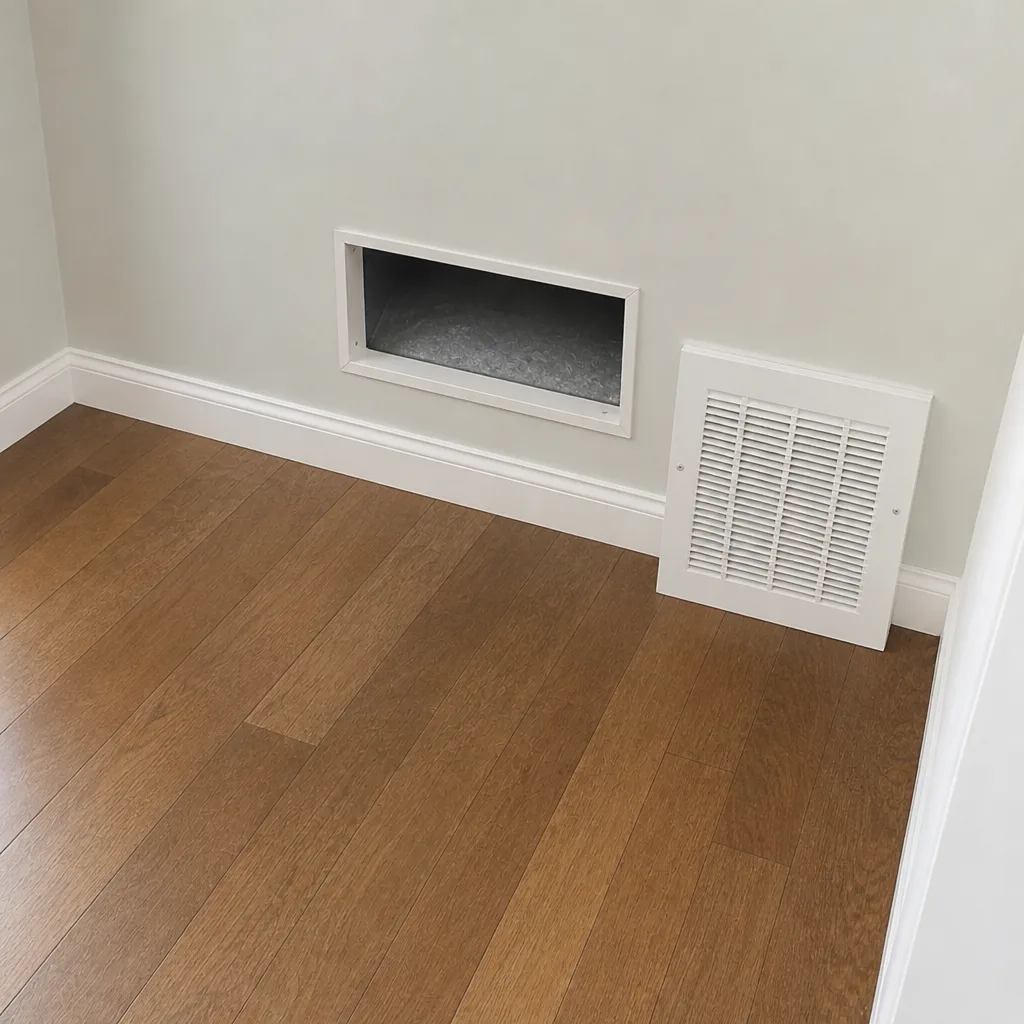
Whole-system duct and dryer vent check with before-and-after photos - you see exactly what came out of your vents
That "$99 whole-house special" is a bait ad - the real number appears once they are in your hallway, or the "clean" is a shop-vac at the register. We photograph the inside of your ducts before and after instead.
Air Duct Cleaning Maintenance Checklist for Brockton Homeowners
Most homeowners think about their ducts only when something goes wrong. That’s backwards. By the time you notice musty air or a dust film that comes back within a week, the problem has usually been building quietly for a season or two. The useful work happens between professional cleanings, when a short inspection routine catches the small failures that aging New England duct systems develop. This guide is a month-by-month maintenance protocol built around Brockton’s weather calendar, its older housing stock, and the specific weak points those homes share. You’ll learn what to check, when to check it, and what to write down so your next cleaning starts with a base line instead of a guess.
Quick Answer
A maintenance checklist for your ducts has three jobs: check the filter on a schedule that matches your household, inspect every accessible register and boot for moisture or debris, and keep a written record of what you see so a technician can track changes. Do the light visual checks monthly, change or clean filters quarterly or more often if you have pets or high occupancy, and book professional cleaning and a duct inspection when you notice repeating dust, odors, or visible damage. In Brockton, the calendar points that matter most are the weeks before heating season starts and the high-humidity stretch of late summer.
Styles & brands we work with
- Whole-home duct cleaning
- Dryer vent cleaning
- Camera inspection
- Sanitizing & deodorizing
Table of Contents
- Why duct maintenance matters more in Brockton’s climate
- Month-by-month maintenance calendar
- How to self-inspect register boots and spot moisture problems
- Filter maintenance intervals for Brockton homes
- Special checklist items for homes with oil-to-gas conversions
- What to document between professional cleanings
- When a visual check isn’t enough
- Common mistakes to avoid
Why duct maintenance matters more in Brockton’s climate
Brockton sits in a climate that swings hard. Summers get humid enough that condensation forms on cool surfaces inside the home, and winters run cold enough that the heating system works long hours for months on end. That combination stresses duct systems in ways that a mild climate never would. The metal and flex runs in a Brockton attic or crawl space see temperature extremes across a single year, and every joint, seam, and connection is a place where that movement can open a gap.
The housing stock adds another layer. Much of Brockton’s residential building dates to an era when ductwork was installed with different standards and materials than today. That doesn’t make old ducts bad automatically, but it does mean they reward inspection. A system installed decades ago is likely to have more taped joints, more flex transitions, and more connections than a modern install.
Here’s what we see in practice: the failures that matter most between cleanings aren’t dramatic. They’re quiet. A boot that’s separated a quarter inch from the floor. A flex run sagging enough to collect debris. A register that stays damp in humid weather because the boot isn’t sealed. Each of these lets unconditioned attic air, insulation fibers, or dust into the airstream, and none of them announce themselves. Maintenance is how you find them.
A checklist works best when you understand what you’re checking for. The full scope of our air duct cleaning service starts with inspection for exactly these signals, and the homeowner-side checks below are the same things a technician looks at, just done more often and with less equipment.
Month-by-month maintenance calendar
Brockton’s weather calendar gives you natural checkpoints. Tie your maintenance routine to the season and you’ll never wonder when you last looked at something.
October and November: pre-heat season
Before the heating system runs full-time, walk the house. Check every register for dust buildup on the grille. Open the return grilles and look for lint or debris. Change the filter, and note the date. September’s dust and fall allergens will get baked into the airstream on the first cold snap if you skip this step. If your system has a humidifier, check the pad.
December through February: mid-winter spot checks
Cold months are about airflow. Feel the air coming from each register. A register that’s noticeably weaker than the others suggests a duct problem: a disconnected run, a crushed flex section, or a closed damper you forgot about. Note any register that seems weak, and keep checking. Also watch for condensation on cold metal ductwork in basements and unconditioned spaces, which can happen when warm interior air meets a cold duct surface.
March and April: spring reset
When heating winds down, change the filter again and vacuum the return grilles. Spring is when winter’s accumulated dust becomes visible against spring sunlight, so this is the easiest month to spot changes. If you had any weak registers over the winter, this is the right time to book a professional inspection before cooling season begins.
May through August: peak humidity
Late summer is the highest-risk stretch for Brockton duct systems. Warm, humid air and cool surfaces produce condensation, and condensation in a duct boot is how mold starts. Check accessible boots monthly during this stretch. Run the air conditioning consistently rather than cycling it on and off, so duct surfaces stay dry. If you notice any musty smell, write down when it appears and which rooms it affects.
September: post-leaf season
Outdoor debris finds its way into return intakes and outdoor air connections. Check your outdoor intake screens and clear anything that’s accumulated. This is also a good month to review your written record and decide whether professional cleaning is due, which is easier if you’ve been keeping notes all year.
How to self-inspect register boots and spot moisture problems
A register boot is the metal fitting that connects the duct run to the register grille in your floor, wall, or ceiling. It’s the most accessible part of your duct system and the most common place for problems to start, especially in Brockton’s older homes. You don’t need tools to inspect them. You need a flashlight and five minutes per room.
Numbered inspection steps
- Remove the register grille. Most have two screws. If the grille is painted shut or stuck, leave it and note it for a technician.
- Shine a light down the boot. Look at the joint where the boot meets the duct. A neat, intact connection is what you want. Loose tape, gaps, or separated sections are worth documenting.
- Look for moisture staining. A dark ring, water mark, or rust line on the inside of the boot means condensation has been forming. This is the single most important thing to catch in Brockton’s humid summers.
- Check the floor edge. Where the boot meets a wood floor, look for any gap or dark staining on the wood itself.
- Smell the boot. A musty or earthy smell at a register that other rooms don’t have points to localized moisture.
- Note the register location. Write down the room name and which check flagged something.
- Reinstall the grille. Hand-tight is fine on the screws; don’t overtighten into old wood.
What does moisture staining actually signal? It signals that a surface inside the duct system is regularly dropping below the dew point of the air around it, and condensation is forming. In a Brockton summer, that’s most likely a duct boot in a basement or a run through an unheated space. Left alone, that condensation feeds mold growth and eventually damages the boot itself. It’s not a reason to panic, but it’s a good reason to get someone who knows duct systems to look at it.
We use air duct repair to fix the seams, joints, and boot connections that inspections turn up. Cleaning without sealing is a short-lived fix.
Filter maintenance intervals for Brockton homes
The generic advice of “change your filter every three months” is a starting point, not a rule. Your actual interval depends on your household. Here’s how to calibrate it.
Adjust your interval for household factors
- Occupant count. Two people in a home generate a different dust and dander load than six. Add a month to your interval for each person beyond a typical two-person household, or shorten it if your home is busier than average.
- Pets. Pets shedding fur and dander shorten filter life. Homes with more than one animal should change the filter on the shorter end of the interval.
- Building age. Older Brockton homes leak more outside air through the envelope. That means more dust enters the return side to begin with, and filters load faster.
- Proximity to Route 24 and industrial corridors. Homes closer to major highways and the industrial areas around Brockton see more airborne particulate. If you’re near a busy corridor, expect your filters to load faster.
- Filter type. Thin fiberglass filters don’t trap fine particles the way pleated filters do, but they also don’t restrict airflow. High-MERV filters trap more, but they can strain older blower systems if the system wasn’t designed for them.
- Construction in your area. Nearby demolition or renovation means more airborne dust, and temporary shorter intervals.
Here’s a practical rule. Write the date on your filter with a marker every time you change it. After a few cycles you’ll have a real interval instead of a guess, and you can adjust based on what the filter itself looks like when you pull it.
What the filter is telling you
A filter that’s uniformly gray after a short interval is fine; it’s doing its job. A filter with a sudden dark ring or a distinct patch of gray is different. That pattern can indicate that a specific return is drawing heavily from one source, like an unfiltered basement or a gap between the filter frame and the return duct. Note the pattern. When we install filtration systems like Honeywell or Aprilaire units, this kind of information is what determines the right upgrade. The goal isn’t “more filtering”; it’s filtration matched to the source of the load.
That’s the philosophy behind connecting air quality improvement to dryer vent cleaning in the same household routine: clean the air paths, then filter the air better, and you’re solving two separate problems that share a root cause.
Special checklist items for homes with oil-to-gas conversions
Brockton’s housing stock includes many homes that were originally built for oil heat and later converted to gas or another fuel. If your home is one of them, your duct checklist needs an extra layer. The residue that remains in the ductwork from the oil era behaves differently from standard household dust.
What oil-era ducts collect
Old oil systems leave soot and petroleum residue in the duct runs, in the plenum, and around the old equipment connection points. Some of that residue migrates into a shared airstream during a conversion, and it settles. Soot particles are finer than typical dust and they cling to duct walls. A routine visual inspection that just looks for dust won’t tell you much about soot presence.
Here’s what to check instead:
- Look for dark discoloration on the inside of return boot walls. Soot leaves a fine, uniform gray-black film that looks different from the patchy dust you’d expect.
- Check for soot odor. A faint burnt or ashy smell, distinct from musty or damp, can point to residual soot. Note which registers produce it.
- Inspect the equipment transition zone. Where the old furnace used to connect, if that connection is still part of the duct run, look for residue and any old tape or sealant that has dried out.
- Watch for stiff or crumbling duct sealant. Old sealant around a former oil connection can crack and let air leak, and the resulting airflow changes distribution across the house.
- Ask a technician about residue-safe cleaning. No-step-by-step here, because solvent choice and equipment matter. A system that isn’t rated for residue capture can redistribute soot back into the airstream, so this is professional work.
When we handle a conversion home, we pair equipment rated for containment. Our system uses a negative-air machine from Abatement Technologies to hold dislodged material in the work zone, and a HEPA vacuum from Nikro to capture what the rotary brush lifts from the duct walls. That combination matters more in an oil-era home than anywhere else, because the material coming out isn’t just lint.
What to document between professional cleanings
A technician starting blind can only clean and report broadly. A technician working from your notes can establish a base line and track change over time. Documentation is the thing most homeowners skip, and it’s the difference between a routine cleaning and a useful one.
What to record, and how often
Keep a single sheet of paper, or a note on your phone, with these headers:
- Date. Every entry starts with the date, without exception.
- Filter changes. Note the filter type, the date installed, and the date removed.
- Register observations. Room-by-room notes on anything you found: moisture rings, weak airflow, unusual smells, visible debris.
- Airflow changes. Any register that feels different than it used to.
- Odors. When they show up, in which rooms, and under what conditions (running heat, running AC, humid day, dry day).
- Recent work. Any renovation, insulation work, pest treatment, or HVAC service. All of them can change what enters your duct system.
- Photographs. A clear photo of a boot interior at the start and end of each season gives a technician a visual base line, not just a description.
The goal is a record that gets handed to the technician when they arrive. They can then compare what’s in the ducts against what your home has been doing between cleanings. Cleaning without that context is faster, but it’s less useful. On the maintenance side, the routine we see work best is: filter change, inspection, and a quick note, every month versus every season, with a professional cleaning on the schedule that your records justify.
If you’re coming to this guide for the first time and your home hasn’t been cleaned in years, that starting point becomes your base line. Our Brockton page covers what a first-visit inspection includes.
When a visual check isn’t enough
Homeowner checks catch a lot. They can’t catch everything, and it helps to know where the line is. If any of the following is true, it’s time to bring in a technician.
- You see moisture staining inside more than one register boot.
- One or more registers has noticeably weaker airflow that doesn’t resolve.
- You smell musty or burnt odors that come and go with HVAC operation.
- You suspect pest activity: droppings in a return grille, or scratching sounds in duct runs.
- You’ve had water intrusion from a roof, window, or basement, and duct runs pass through the affected area.
- You’ve noticed visible mold growth at a register, which is a health concern and should be assessed promptly.
- Your home has had an oil-to-gas conversion and you can’t trace a reliable cleaning date for the system.
- You’ve recently completed renovation or insulation work and never had the system inspected afterward.
When you call, you get a free estimate, and the estimate is written. One flat price for the system, agreed before any work starts. That’s the answer to the bait-and-switch worry you’re probably carrying from coupon mailers, because the price isn’t tied to per-vent counts or teaser figures. You’ll also get before-and-after photographs of your own ducts, so you’re seeing the actual system you paid to have cleaned, not a stock image. Our technicians have up to 8 years of experience, and they’re trained on the same equipment we describe throughout this guide.
Common Mistakes to Avoid
- Changing the filter on the calendar instead of on the evidence. A three-month interval is fine for a two-person home with no pets in a lot of climates. In a Brockton home near Route 24 or a busy industrial corridor, three months may be too long. Let the filter’s condition guide you, not the calendar alone.
- Skipping the register boots after the first check. Homeowners inspect once, find nothing, and never look again. Problems emerge across seasons, not overnight. Inspect monthly during humid months, and note what you find.
- Cleaning the ducts but never addressing moisture. A duct system that’s cleaned and then left with condensation problems will be dirty again quickly. A musty smell that returns within weeks of cleaning is a moisture signal, not a cleaning problem.
- Hiring a duct cleaning company that doesn’t inspect the boot connections. A shop vac on a register grille is not a duct cleaning. Look at the equipment: rotary brushes, HEPA-rated vacuums, and negative-air machines are the tell that a company is serious. Anything else is not the same job.
- Ignoring oil-era residue in a conversion home. The cleaning approach for a conversion home is different, and the residue is different. If the company booking the job doesn’t know the difference, that’s a warning sign.
- Not documenting before the first professional cleaning. Your first notes are your base line. Skip them and every future technician starts from zero.
- Assuming the outside air intakes are clean. Screens and outdoor intakes collect leaves, insects, and debris. Clear them during the post-leaf season so this new material doesn’t pull into the system.
See the difference
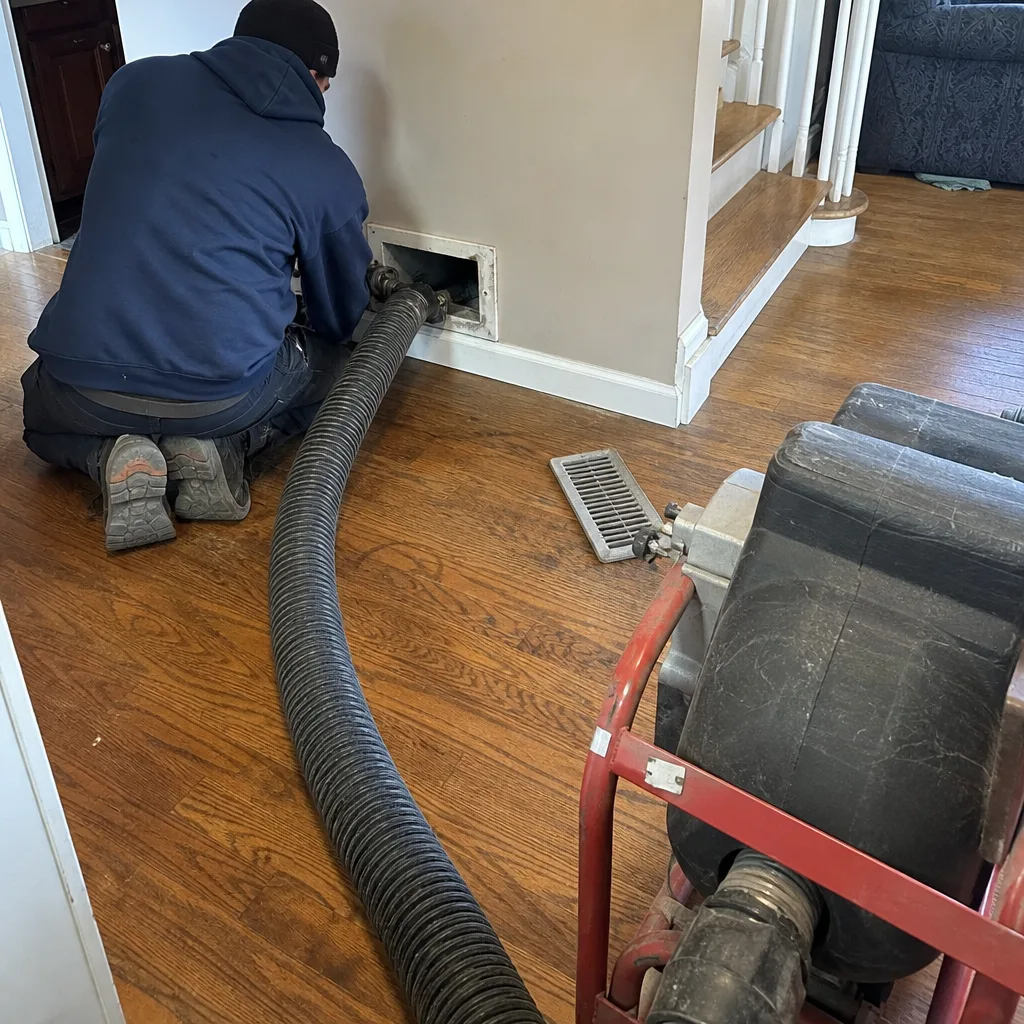 Before
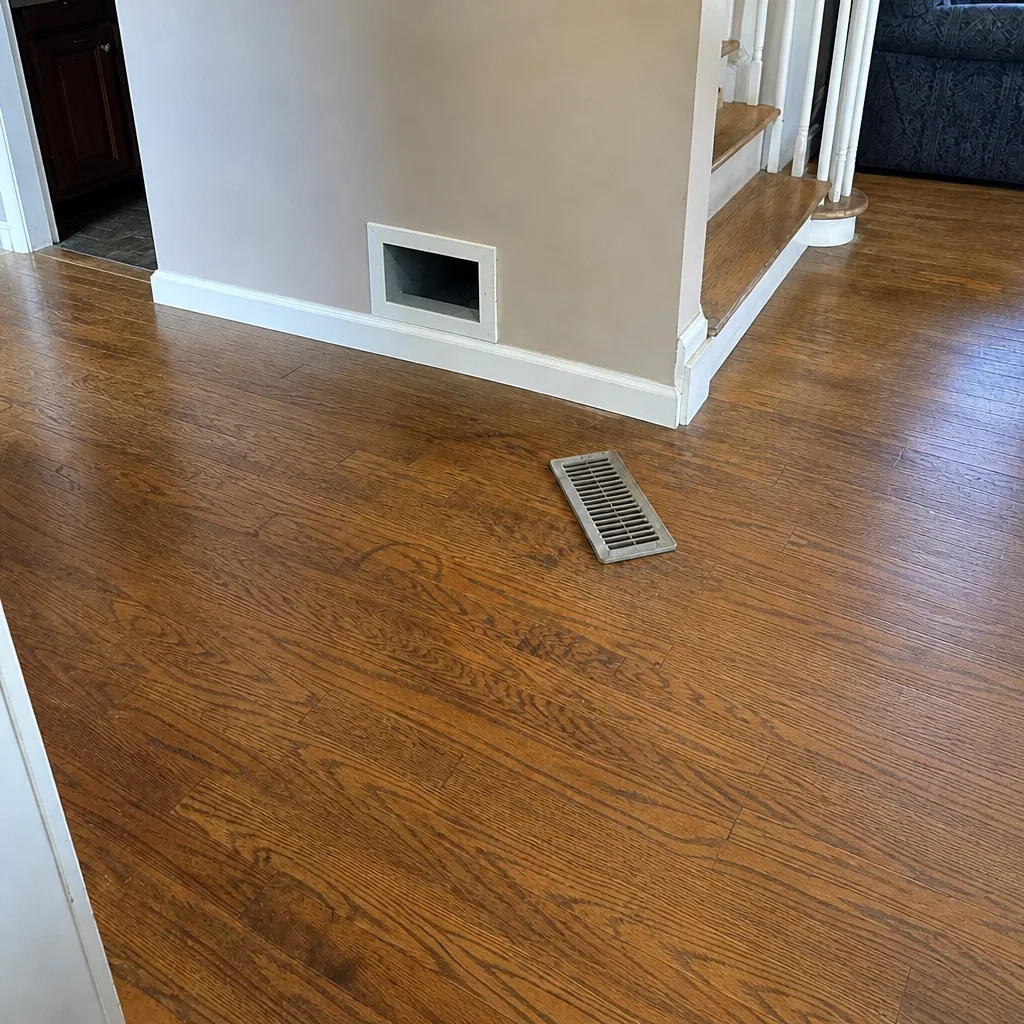 After
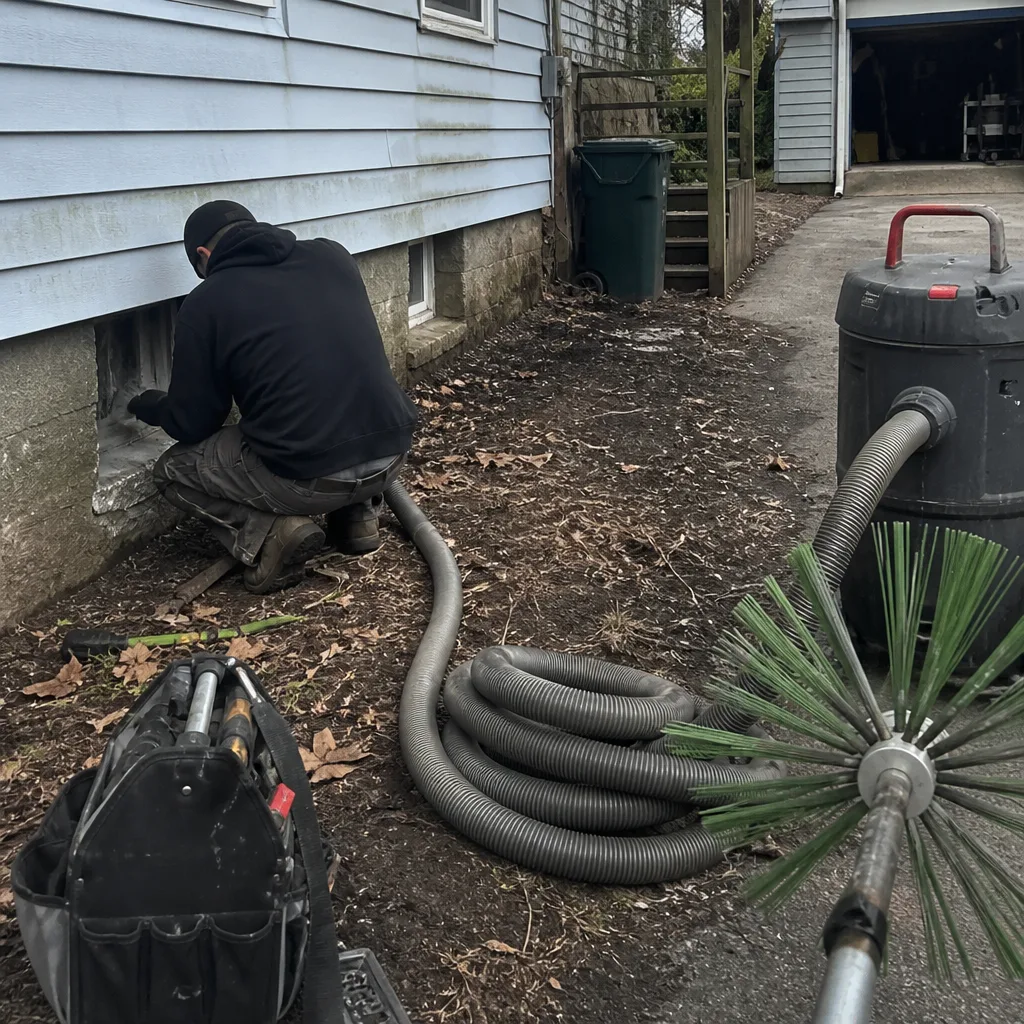 Before
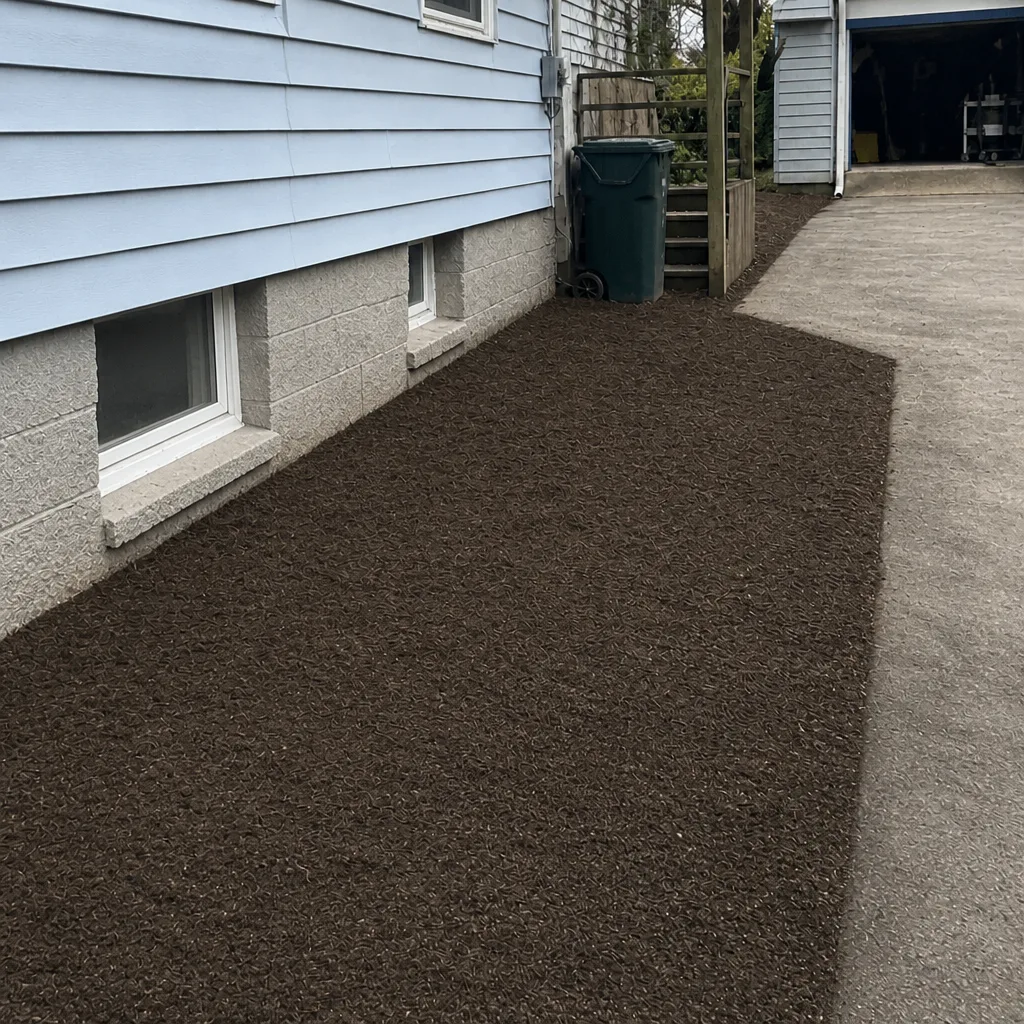 After
 Before
 After
When to Call a Professional
Book a technician if any of the professional-trigger conditions apply to your home. The strongest are: visible moisture staining in more than one register boot, recurring musty or burnt odors, weak airflow in specific registers, pest evidence, water intrusion through duct runs, visible mold, oil-era residue with no documented cleaning, or recent renovation with no inspection afterward. On the routine side, most Brockton homes benefit from a professional cleaning and inspection on a cycle their records justify, not a fixed calendar. Duct Cleaning Brockton offers free estimates in Brockton. Call (844) 834-2553. We answer 24/7. Fast dispatch from 7am to 7pm, Sunday through Friday.
Frequently Asked Questions
Most homes should have a professional cleaning and inspection every two to five years, with the interval adjusted for pets, occupancy, recent renovation, oil-era residue, and anything your inspection notes turn up. Brockton homes closer to Route 24, industrial corridors, or heavy pollen-producing yards often land on the shorter end. The right interval is the one your records justify. Call (844) 834-2553 for an exact quote, and the estimate is free.
Dust returning quickly usually means a duct connection or boot seal is letting outside air in, not that the cleaning failed. A boot that’s separated, a loose seam, or a sagging flex run pulls air from unconditioned space into the airstream, and that air carries dust, insulation fibers, and attic debris. Cleaning solves one problem; repair solves the other. That’s why our service includes repair as a separate capability, not an upsell. Call (844) 834-2553 for an inspection, and the estimate is free.
Ask for before-and-after photographs of your own ducts. That’s the standard we work to, because it lets you see what came out of the system and what it looks like sealed back up, rather than taking it on faith. Ask about the equipment being used as well. Rotobrush rotary-brush systems, Nikro HEPA-rated vacuums, and negative-air machines from Abatement Technologies are the tools that turn a promise into a process. Call (844) 834-2553 for an exact quote, and the estimate is free.
Cheap quotes are usually cheap because the scope is limited to grilles and visible duct ends, done with shop vacuums and no containment equipment. The debris gets loosened more than captured, and a lot of it redistributes through your home. Whole-system cleaning with professional-grade equipment costs more, and the difference is what actually comes out. A single flat price per system, agreed in writing before work starts, is the answer to the coupon-and-invoice cycle. Call (844) 834-2553 for an exact quote, and the estimate is free.
Yes. Oil-era ducts carry soot and petroleum residue that cling differently than normal household dust, and the cleaning approach has to be different: the containment and capture have to be strong enough that soot isn’t redistributed. Rotary brushes paired with HEPA-rated vacuums and negative-air containment are the equipment combination that avoids moving residue into the living space. If you have a converted home and you can’t document a cleaning date, that’s a reason to book an inspection. Call (844) 834-2553, and the estimate is free.
Cleaning removes what’s already in the duct system. An air quality upgrade improves what goes into the air afterward, which is where filtration systems come in. We work with Honeywell and Aprilaire systems, which means an upgrade path from cleaning to filtration happens under one provider. Cleaning every two years and badly filtering in between isn’t a routine; it’s a pattern. Call (844) 834-2553 to talk through whether an upgrade fits your home, and the estimate is free.
The Bottom Line
Duct maintenance isn’t a list of chores, it’s a short loop you repeat through the year: check filters, inspect boots, clear intakes, and write down what you found. Brockton’s climate makes that loop more important than it would be elsewhere, because humid summers push condensation into every register boot and cold winters test every duct joint. Catch the small failures early and the professionals spend their time cleaning and sealing, not chasing problems. Our technicians have up to 8 years of experience with ducts that get this kind of attention, and the second set of eyes is always worth a call.
Call Duct Cleaning Brockton at (844) 834-2553 for a free estimate. We’ll walk the system with you, look at your notes, and give you one flat price for the job before anything starts. We answer 24/7. Fast dispatch from 7am to 7pm, Sunday through Friday.
Written by the team at Duct Cleaning Brockton.