
Last updated November 16, 2026
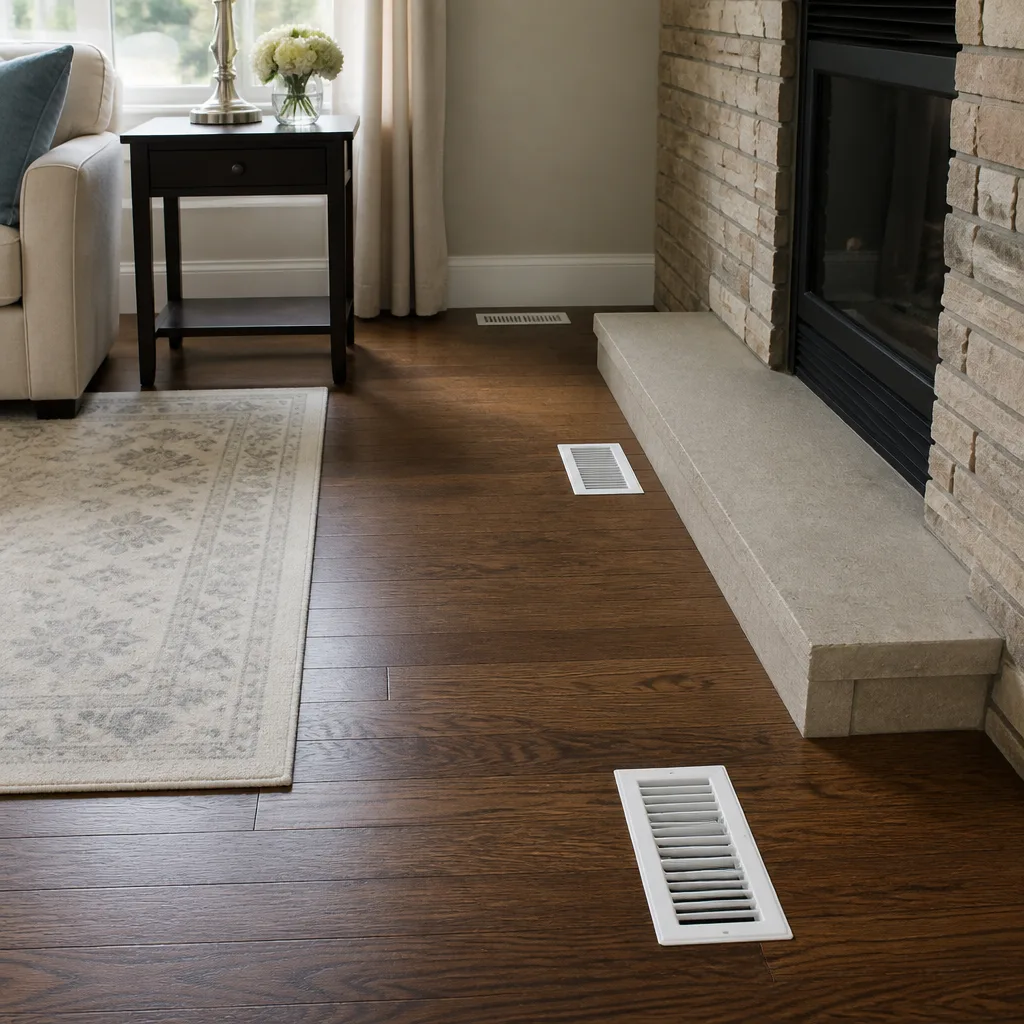 Whole-home duct cleaning
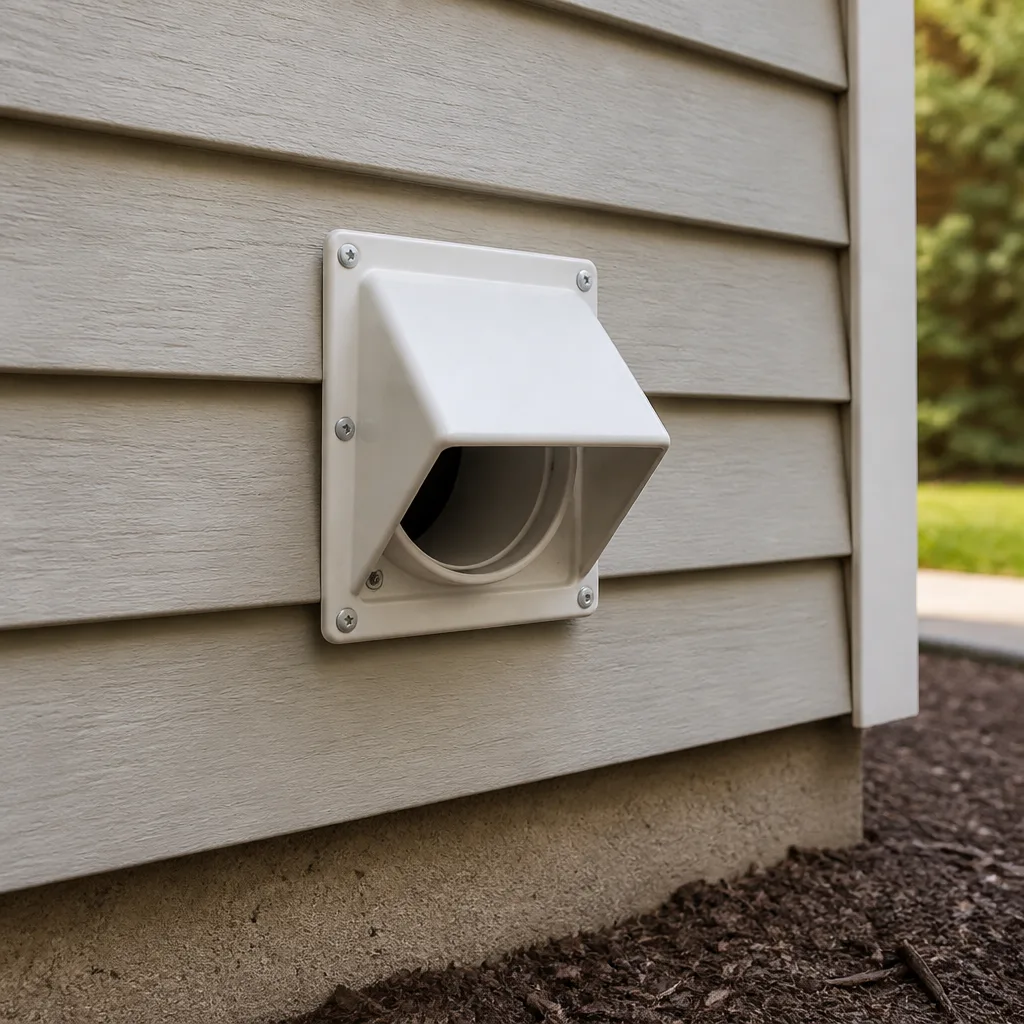 Dryer vent cleaning
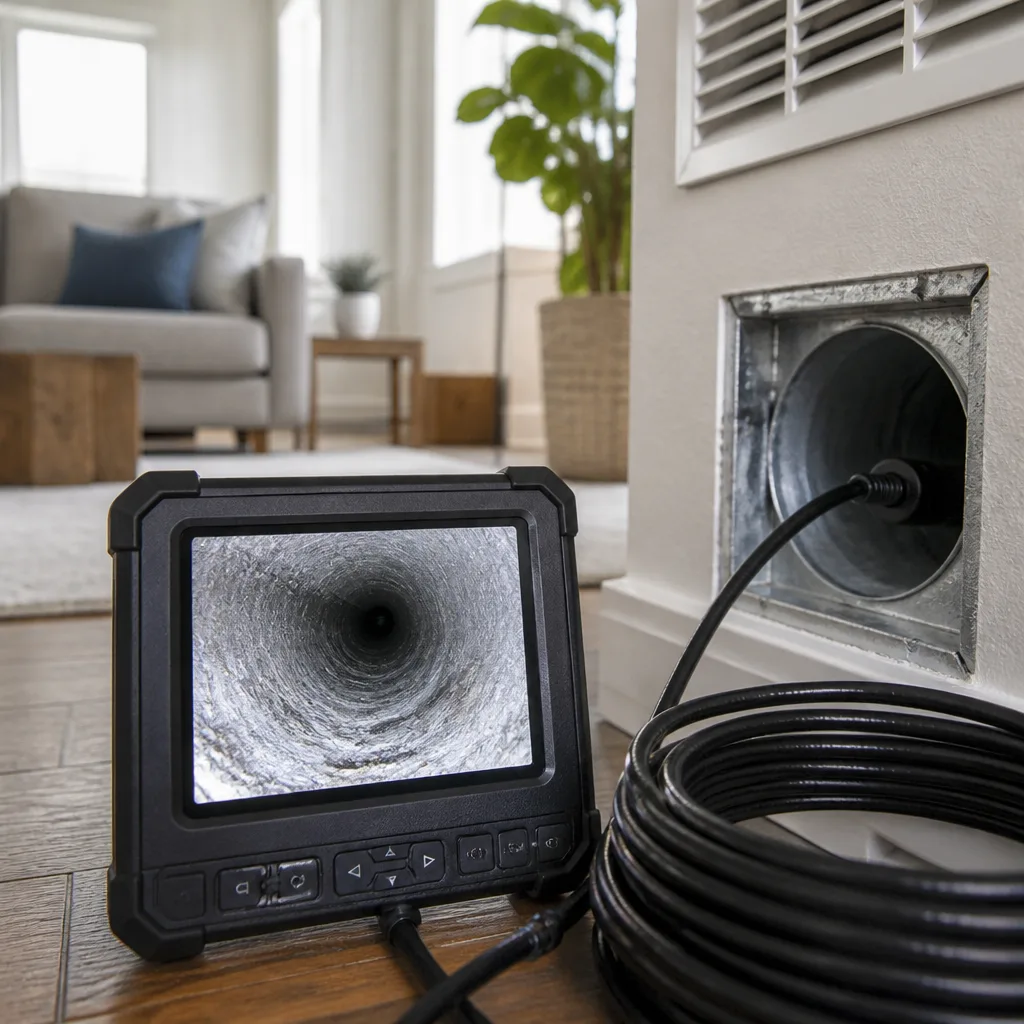 Camera inspection
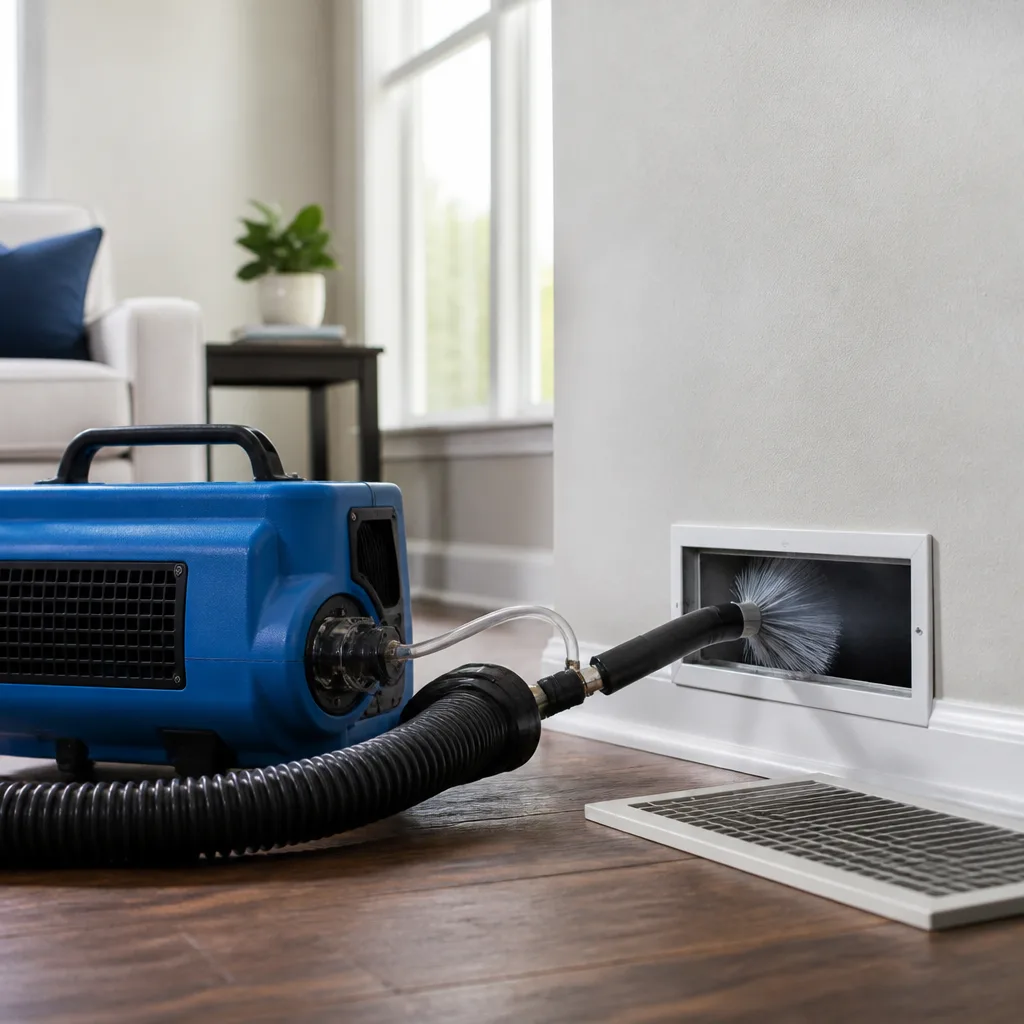 Sanitizing & deodorizing
Whole-system duct and dryer vent check with before-and-after photos - you see exactly what came out of your vents
That "$99 whole-house special" is a bait ad - the real number appears once they are in your hallway, or the "clean" is a shop-vac at the register. We photograph the inside of your ducts before and after instead.
Air Duct Cleaning Emergency Preparedness Guide for Brockton Homes
Most homeowners think duct contamination follows the fire, the flood, or the pest problem. It usually doesn’t. It starts during the event, while the air handler is still pulling air through returns, and it settles within hours. That’s the part people miss, and it’s the reason a fire that stayed in one kitchen can leave a smell in every upstairs bedroom for months afterward. In this guide we walk through the four emergencies that put duct systems at real risk, what to do in the first day or two, how to handle insurance documentation, and how to tell a remediation-grade contractor from a standard duct cleaner. If you own or manage property around Brockton, this is the one page worth bookmarking before you need it.
Quick Answer
After a fire, flood, rodent infestation, or uncontained renovation, duct systems become contaminated within hours if the HVAC was running, and professional evaluation should happen within the first 24 to 48 hours. Immediate steps are: shut the system off, change nothing yourself beyond basic containment, photograph everything, and call a duct specialist who uses HEPA vacuum equipment and negative-air machines rather than a standard maintenance cleaning. Post-emergency cleaning is a different service from routine maintenance, and treating it like routine maintenance is how contamination gets pushed deeper into the system.
Styles & brands we work with
- Whole-home duct cleaning
- Dryer vent cleaning
- Camera inspection
- Sanitizing & deodorizing
Table of Contents
- The Four Emergencies That Put Brockton Ducts at Risk
- The 24 to 48 Hour Window: What to Do Right Away
- Fire and Smoke: Why Soot Travels Further Than You Think
- Flooding and Water Damage Near the Air Handler
- Rodent and Pest Contamination
- Working With Insurance Adjusters After Fire or Flood
- Why Post-Emergency Cleaning Requires Remediation-Grade Equipment
- How to Spot a Post-Emergency Contractor vs. a Standard Duct Cleaner
The Four Emergencies That Put Brockton Ducts at Risk
In our experience, duct contamination in Brockton homes comes from a short list of events. Not a hundred scenarios. Four. And each one contaminates a duct system in a different way, which means each one calls for different handling.
1. Structure fire, any size. Even a contained kitchen fire sends smoke and soot particles smaller than 1 micron through every return air pathway. If the HVAC blower ran during or after the fire, the entire system becomes a distribution channel for those particles. The blast of heat from a fire can also warp flex duct runs or pop seams, so the fire department doesn’t need to have hosed the whole house for the duct system to be compromised. If smoke entered an occupied space and the HVAC ran within 24 hours, the ducts need evaluation.
2. Basement flooding near the air handler. Brockton basements flood. Heavy rain, sump failure, a burst supply line, and the low spot where the equipment sits is often the problem. Water standing around the air handler wicks into duct insulation and can leave the interior of the system wet long after the visible water is gone. Damp ducts grow mold quickly, and once mold colonizes the interior lining it will not clear on its own.
3. Rodent infestation discovery. If you find droppings in the basement, duct cavities, or attic returns, assume the duct interior is contaminated before you assume it isn’t. Rodent urine and droppings are a biohazard, and the debris they leave behind is fine enough to become airborne any time the system runs.
4. Post-renovation without containment. This is the quiet one. Drywall dust, fiberglass fibers, and construction debris pulled into the returns during a remodel are no different from the contamination left by a fire in terms of what reaches your lungs. If your contractor didn’t seal off returns with plastic and negative pressure during the work, the system collected everything.
Each scenario shares a common thread: contamination enters the ductwork fast and then has a short window before it becomes a bigger repair. That window is what this guide is about.
The 24 to 48 Hour Window: What to Do Right Away
The single most important thing you can do in the first day after any of these emergencies is stop the HVAC system from running. Shut the thermostat to off. Do not run the fan in “on” mode to “clear the air.” Every minute the blower runs, it pushes more contamination through the return and into the supply trunks. Turning it off costs nothing and buys you hours.
Beyond that, the immediate steps depend on which emergency you’re facing. Here’s a general sequence that applies across all four scenarios.
- Turn off the thermostat and the air handler. No fan, no heat, no cooling until the ducts are evaluated.
- Do not vacuum, sweep, or wipe the visible debris. A standard vacuum without HEPA filtration will throw fine particles back into the air and into the ducts. Sweeping drywall dust or soot spreads it further.
- Photograph everything. Before anything is moved or cleaned. Wide shots of the room, close shots of the affected duct, thermostat readings, and the serial plate on the air handler. This matters more than you think when a claim is filed.
- Close off affected areas with plastic sheeting where safe. Do not tape over supply registers as a solution yourself; describe the affected area, take pictures, and let a professional handle containment.
- Call for evaluation before calling for cleaning. A post-emergency duct cleaning that starts before the source is understood can push soot deeper or spread moisture.
- Save or photograph any allergen or odor complaints. If household members are already reacting, note it with a date. It becomes part of the record for insurance and remediation planning.
If you have to speak with your insurer before the inspection, keep your description factual. “The HVAC was running during the fire” is a stronger statement on a claim than a guess about the total damage. Adjusters respond to what they can verify.
The 24 to 48 hour window matters most for water. If the air handler has been sitting in standing water or the insulation on a duct run is soaked, mold can begin colonizing by the end of the second day. Fire and smoke contaminants are less time-sensitive but still degrade faster than people expect, because soot becomes more embedded in fiberglass duct liner the longer it sits. Pest-related contamination is a matter of removal, not time, but exposure continues every time the system runs. In all four cases, evaluation first, cleaning second.
Fire and Smoke: Why Soot Travels Further Than You Think
If you’ve ever had a burned pan on the stove and could still smell it three rooms away, you already understand part of this. The particles that carry smoke odor are smaller than 1 micron, which is far smaller than a visible grain of soot. Your HVAC filter catches some of it. Most of it passes through standard filters and either settles in the duct or gets pushed out through the registers into bedrooms you never entered during the fire.
Fire departments in Brockton respond to house fires with water and ventilation. That’s their job, and they do it well, but the standard response doesn’t address what’s inside the duct system. If the house had windows broken and positive pressure applied during the fire, you can add outdoor particulate to whatever was already in the air. If the HVAC ran during the fire, everything that entered the return path at that moment is now in the supply trunk.
Here’s what we check for after a fire, whether it was contained to one kitchen or spread further:
- Visible soot residue in supply registers. A white cloth wiped across a register grill and coming back gray is an immediate red flag.
- Odor persistence after airing out. If the smell returns to the same rooms when the HVAC runs, the source is in the system.
- Heat damage to flex duct runs. Melted or warped inner liner in a flex run near the fire means the duct needs replacing, not cleaning.
- Compromised duct connections. Fire doesn’t only contaminate; it can loosen seams and dislodge hangers.
One important safety note: post-fire duct work often happens near a furnace or air handler where gas and electrical systems are still being checked. Leave the gas and electrical side alone until the utility or a licensed contractor has cleared them. Once the equipment is safe to operate, we step in and do the duct work. Two different trades, and they should stay that way.
Fire and smoke jobs call for HEPA-rated vacuum equipment and, in many homes, Abatement Technologies negative-air filtration, which pulls and holds debris at the source rather than letting it escape. If you call a general cleaning outfit and they show up with a shop vacuum and no containment setup, they’re not equipped for post-fire work.
Flooding and Water Damage Near the Air Handler
Water and duct systems don’t mix. Wherever the air handler sits – basement, utility closet, crawlspace – a flooded floor around that equipment is the single most urgent duct scenario on this list. It’s the one that turns from “clean the ducts” into “replace the ducts and treat for mold” inside a couple of days.
- Stop the water source. If it’s a supply line or sump failure, close it off. If it’s storm flooding, get the standing water out with a wet-dry vac first.
- Shut off the air handler. Do not run it. A running blower pulls airborne moisture through the entire system.
- Photograph the water line on the air handler cabinet. Note the height. That’s a measurement an adjuster will ask for.
- Feel the duct insulation where the runs leave the cabinet. Damp insulation means the inner liner is wet, even if the outside looks dry to the touch.
- Call a duct specialist to assess before running the system again. A wet system run at full flow can fling mold spores through every room.
Brockton’s older housing stock includes homes where the air handler shares space with storage or a basement bathroom. If a slow leak has been going for a while before anyone noticed it, the duct insulation may already be wet. That scenario doesn’t require a flood to become a duct problem. If you’ve had any water on the basement floor in the last week, it’s worth having the duct runs inspected.
When we handle water-affected ducts, we use Nikro HEPA-rated vacuum systems with Abatement Technologies negative-air containment to capture the dried debris and mold. Cleaning is the easy part. The hard part is determining which sections of duct can be cleaned and which need repair. That’s why every job we do as Duct Cleaning Brockton includes an assessment of the duct structure itself, not just the interior surface.
Rodent and Pest Contamination
Mice get into duct systems more easily than most homeowners realize. A gap in the basement rim joist, an unsealed chase, or a crack at the return plenum is enough of an entry point. Once inside, they leave droppings, urine, and nesting material, and all of that debris becomes airborne the moment the system runs. If you’ve found evidence of a rodent problem anywhere in the house, assume the ducts were part of it until proven otherwise.
Pest contamination has one requirement above all else: the source must be removed. Cleaning ducts full of droppings without first sealing the entry point just means the problem comes back. So the sequence matters.
- Pest control first. Trapping and exclusion at the entry point comes before duct cleaning, not after.
- Then duct cleaning with HEPA containment. The droppings must be captured, not loosened and dispersed.
- Duct repair where needed. Rodents chew flex duct and gnaw at seams. Any damaged run needs repair or replacement, not just cleaning.
- Odor control. The smell of urine penetrates duct lining and can persist after cleaning. We use HEPA-rated vacuum equipment and surface treatment to address it, but some holes in duct insulation are simply replacements.
Rodent contamination isn’t a routine maintenance case, and it isn’t a DIY job. Needles, filth, fine debris, and airborne pathogen risk are all in play. This is one where hiring a professional isn’t a preference, it’s a safety call. For homeowners near Brockton dealing with this after a pest discovery, the safest move is to schedule a duct evaluation before you run the system again.
Working With Insurance Adjusters After Fire or Flood
Duct cleaning after a fire or flood is often covered, but not automatically. The insurer evaluates the claim based on documented damage to the duct system, not on a generic request for cleaning. Knowing what adjusters actually look at, and what they typically do and don’t cover, makes the difference between a covered claim and a denied one.
What adjusters typically want to see:
- Photographs of the affected ductwork before cleaning. Visible soot in supply registers, water line on the air handler cabinet, damp insulation at the plenum.
- A written scope of work. Itemized: which duct sections, which methods, which equipment. “Duct cleaning” as a single line item gets rejected more often than a detailed scope.
- The date and duration of HVAC operation during or after the event. If the system ran post-fire, that’s material.
- A remediation evaluation, not a sales pitch. A specialist’s written assessment carries more weight than a contractor’s quote.
- Proof of methods used. HEPA vacuum equipment, negative-air containment, and before-and-after photographs of the actual duct interior.
Scope items that are typically covered when documented:
- Interior cleaning of supply and return runs affected by smoke or water.
- Containment and HEPA filtration during the cleaning process.
- Replacement of duct sections that are structurally compromised (melted, wet, or chewed).
- Post-cleaning filtration upgrades where recommended, which is where Honeywell or Aprilaire filtration components come in for many jobs.
What is frequently NOT covered:
- Routine duct cleaning unrelated to the event.
- Cosmetic filter upgrades above the original configuration unless the adjuster approves them in the scope.
- Duct repairs to pre-existing damage that wasn’t caused by the event.
One thing we suggest to homeowners in Brockton isn’t about the claim at all: have your documentation ready before you call the adjuster. Written scope, photos, equipment list, before-and-after images. Getting a claim approved is easier when you can hand the adjuster a complete file. We can work with your insurer and provide the documentation from our end. The answer on coverage still comes from them. The difference is speed and clarity.
Why Post-Emergency Cleaning Requires Remediation-Grade Equipment
Standard maintenance cleaning and post-emergency cleaning are not the same job. A routine cleaning removes normal household dust and debris from a duct system that’s otherwise healthy. Post-emergency cleaning removes soot, mold, rodent debris, or construction dust from a duct system that’s already contaminated and already a source of exposure. Using the same tool and method for both is the most common mistake we see.
The difference isn’t marketing. It’s the equipment itself.
- Rotary-brush cleaning (Rotobrush). Purpose-built for duct interiors. A rotary brush is designed to contact the duct wall and lift soot and debris that a vacuum alone won’t pull free. Shop vacuums and repurposed equipment that have no contact tool leave contamination on the duct wall, which is where the odor comes from after cleaning.
- HEPA-rated vacuum systems (Nikro). HEPA-rated equipment is designed to capture fine particulate at the filter. A standard vacuum and a shop vac both recirculate fine particles, which is exactly what you don’t want after a fire.
- Negative-air machines (Abatement Technologies). These hold the affected area under negative pressure during the cleaning, so dislodged debris travels toward the filter instead of into the home. Without negative pressure, a standard cleaning pushes debris into the rooms.
- Post-cleaning IAQ filtration (Honeywell, Aprilaire). Once the ducts are cleaned, upgrading filtration helps prevent the same contamination from being drawn back in. We work with these systems for post-cleaning upgrades.
If a contractor shows up after your fire or flood with a single shop vac and no containment setup, they’re doing a routine cleaning on a remediation problem. The work will look done and the odor will likely return. Ask them, before they start, what equipment they’ll be using. A contractor with the right setup will tell you immediately and describe the containment plan. One without it will change the subject.
For the routine side of this, our air duct cleaning page covers standard maintenance jobs. Post-emergency work is a separate category, and it’s worth understanding the difference before you pick up the phone.
How to Spot a Post-Emergency Contractor vs. a Standard Duct Cleaner
There’s no national credential system for duct cleaners, and no state license unique to duct work in Massachusetts. What separates a post-emergency contractor from a standard cleaner comes down to equipment, scope, documentation, and what they say when you ask hard questions.
Here’s the checklist we suggest to any homeowner looking for post-emergency duct work in Brockton.
- Ask what equipment they’ll use, and wait for names. A qualified company will name the equipment: Rotobrush rotary brush, Nikro HEPA vacuum, or Abatement Technologies negative-air units. If they can’t name the equipment, they’re probably using a shop vac.
- Ask about containment. Post-emergency cleaning should include negative-air containment or similar protocols. If the word “containment” draws a blank, they’re not set up for this work.
- Ask what happens after cleaning. A remediation-grade contractor will talk about duct repair, duct sealing, and IAQ filtration upgrades where relevant. A standard cleaner stops at cleaning.
- Ask for a written scope. By section, by method, by equipment. Verbal quotes don’t survive insurance review.
- Ask about before-and-after documentation. Photographs of the actual duct interior before and after are the standard for documenting the work. If they don’t do this by default, that’s telling.
- Ask whether they do duct repair. Post-emergency jobs often uncover structural damage: melted flex, chewed runs, dislodged seams. A cleaner who only cleans leaves you with a second call to a different company.
- Ask what their scope is. Air duct cleaning, dryer vent cleaning, and duct repair. That’s it. That’s the specialty. If a company claims to also do furnace repair, HVAC installation, and general contracting, you’re talking to a generalist, not a duct specialist.
If you want help in another part of the home after an emergency, dryer vent cleaning is a natural add-on after a fire or flood cleanup, since lint buildup is a leading cause of residential house fires and worth addressing while a technician is already on site. The work is scheduled separately, but it’s the same specialized category and worth keeping on the list.
Common Mistakes to Avoid
- Running the HVAC “to clear out the smoke.” The blower does more damage than the fire did inside the ducts. Turn the thermostat to off and leave it off until the ducts are evaluated.
- Vacuuming soot or drywall dust with a shop vac or household vacuum. Both recirculate fine particles. A shop vac pushes more soot into the air than it removes.
- Booking the cheapest duct coupon after a fire or flood. Emergency work isn’t a discount category. A coupon price won’t cover containment, HEPA equipment, or a written scope, and you’ll find out after the technician is on site.
- Assuming a basement flood didn’t reach the ducts because the air handler stayed dry. Water wicks along insulation and into the plenum, and the underside of a duct run can be wet long after the floor is dry.
- Skipping pest control before duct cleaning. If you find rodents in the ducts, the pest has to be excluded first or the problem returns after cleaning.
- Not photographing the damage before cleaning begins. Adjusters evaluate based on documentation. Once the ducts are cleaned, the evidence is gone. Photograph everything before anyone touches the system.
- Trusting a verbal scope for an insurance claim. Get it in writing, section by section, with methods and equipment named.
See the difference
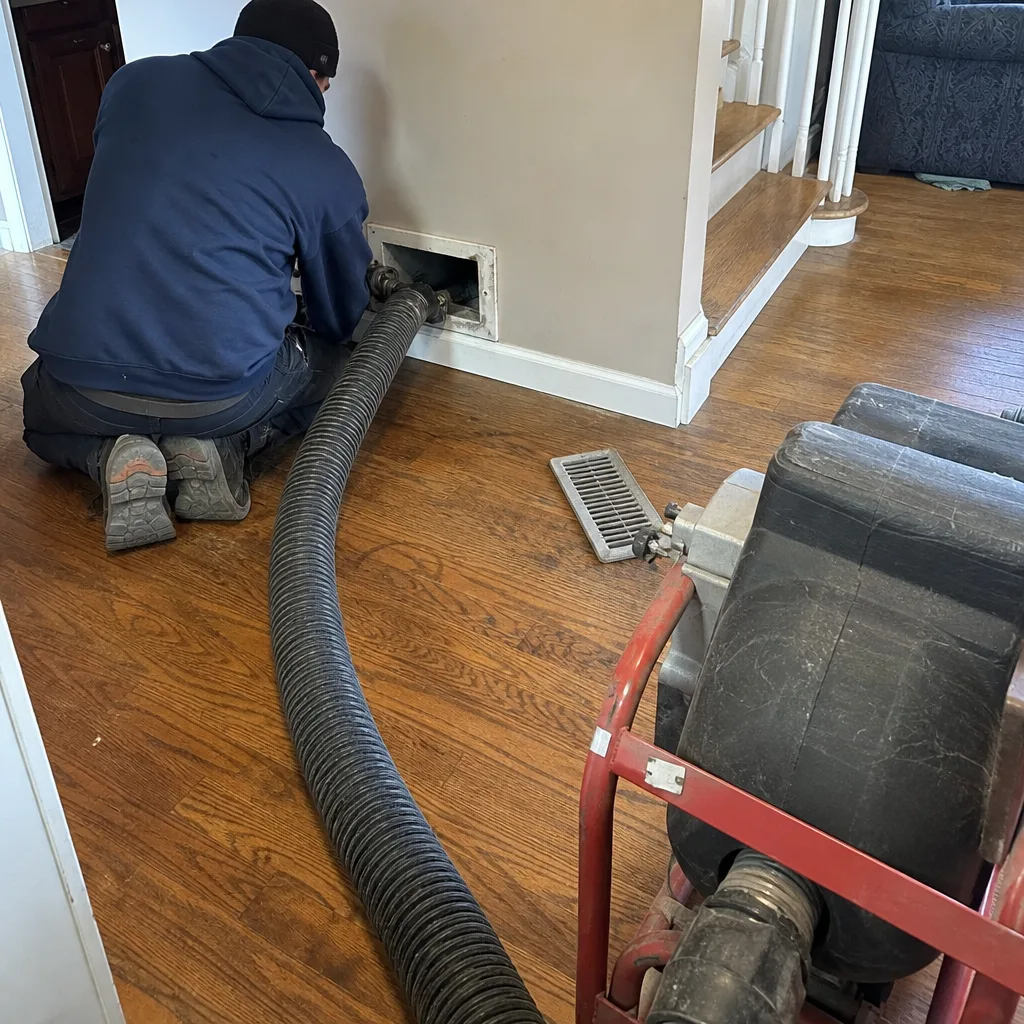 Before
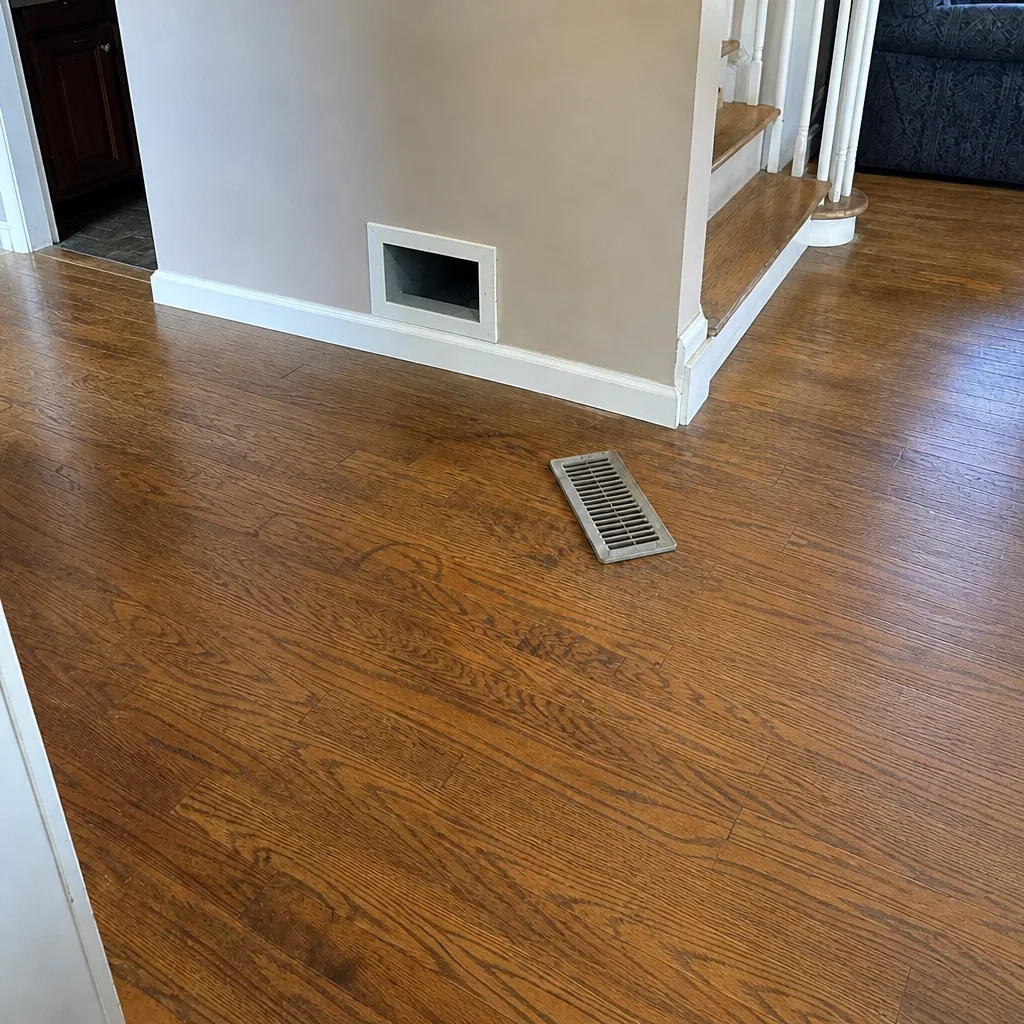 After
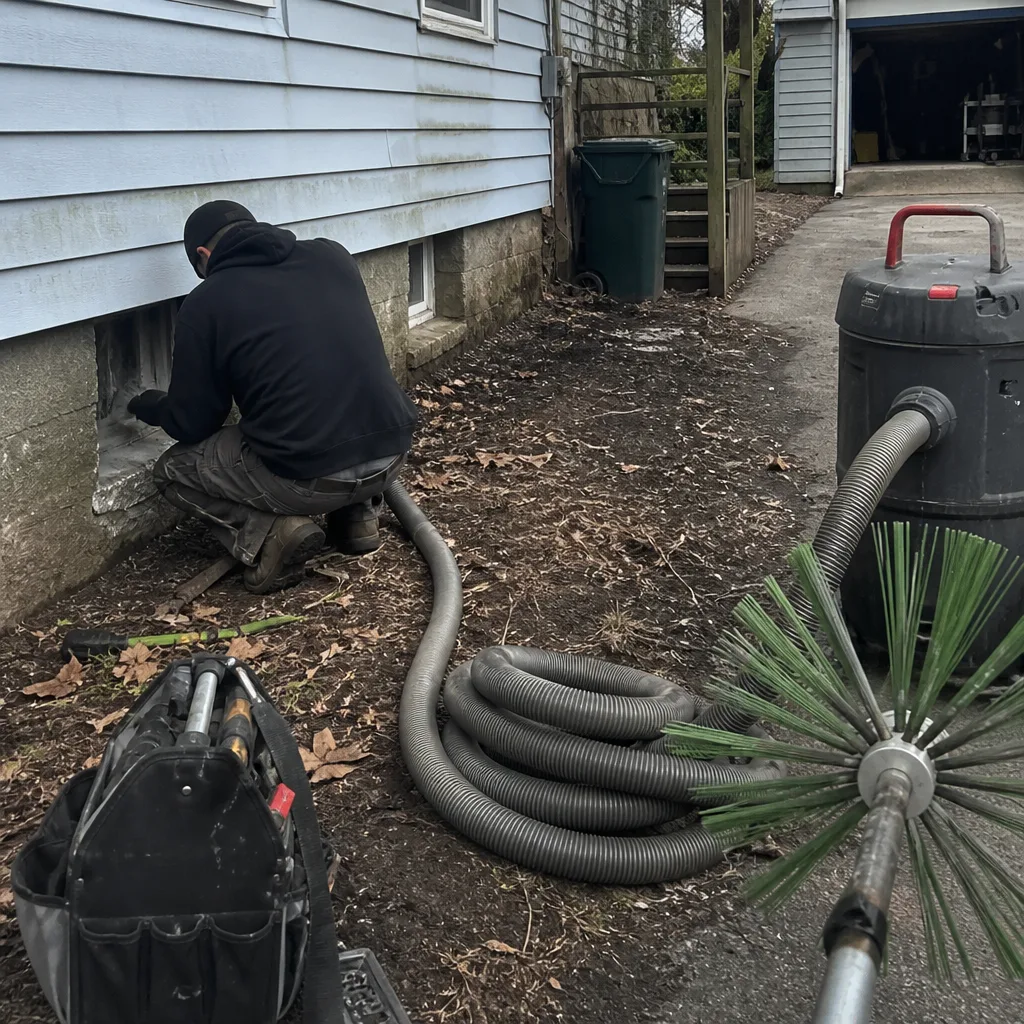 Before
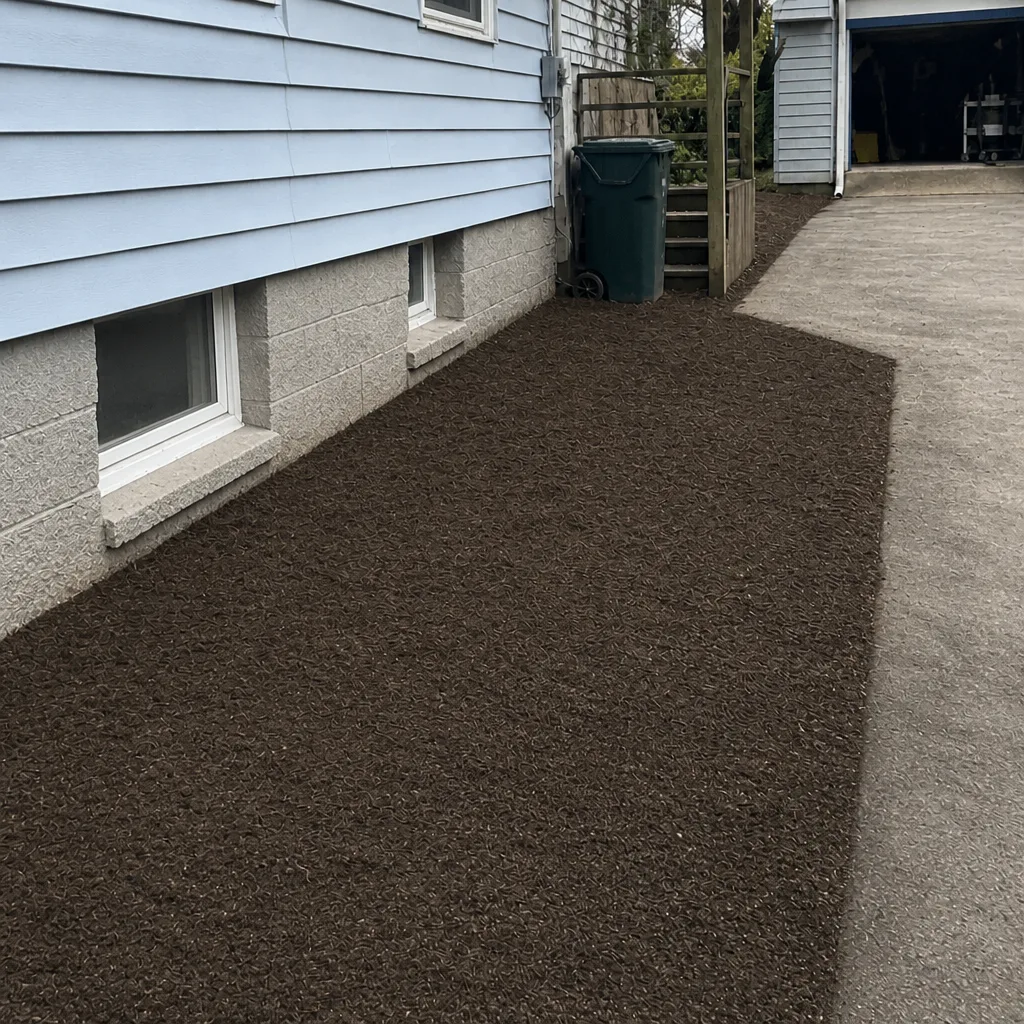 After
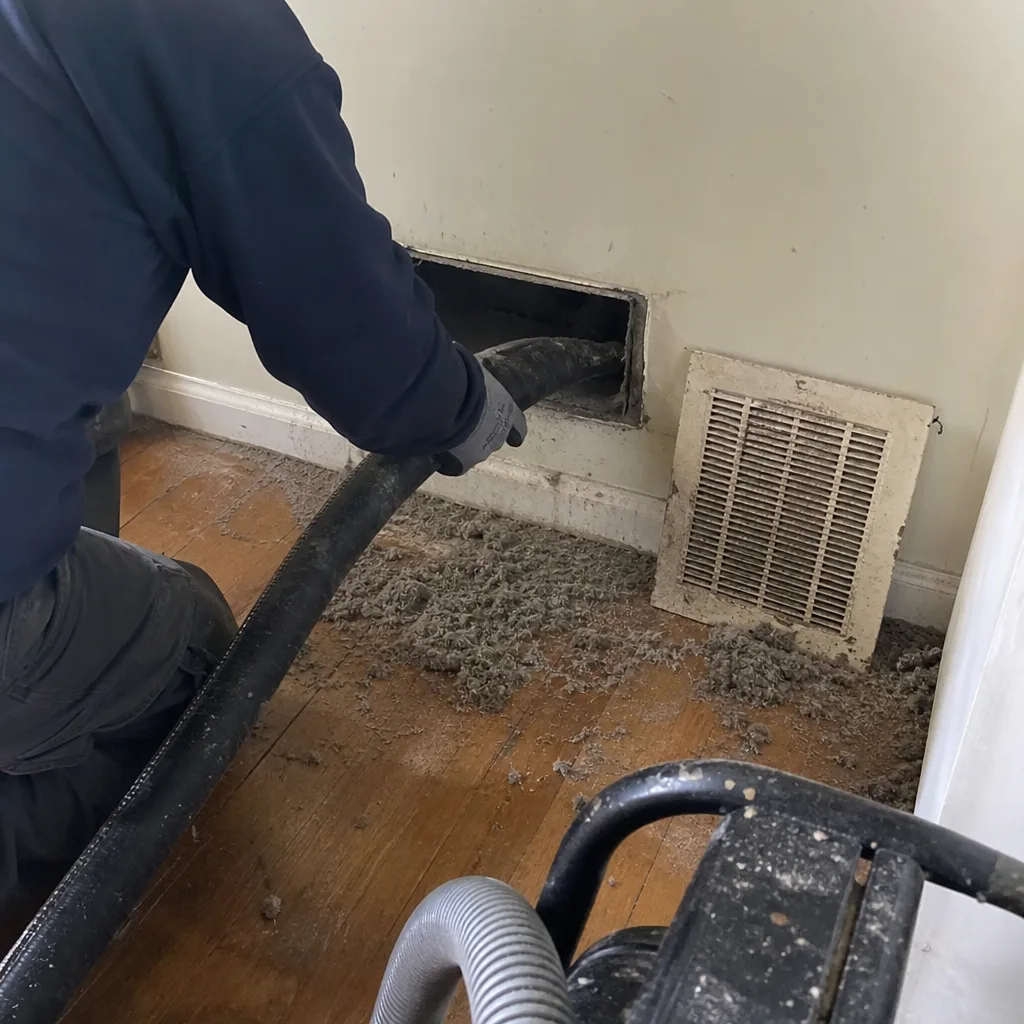 Before
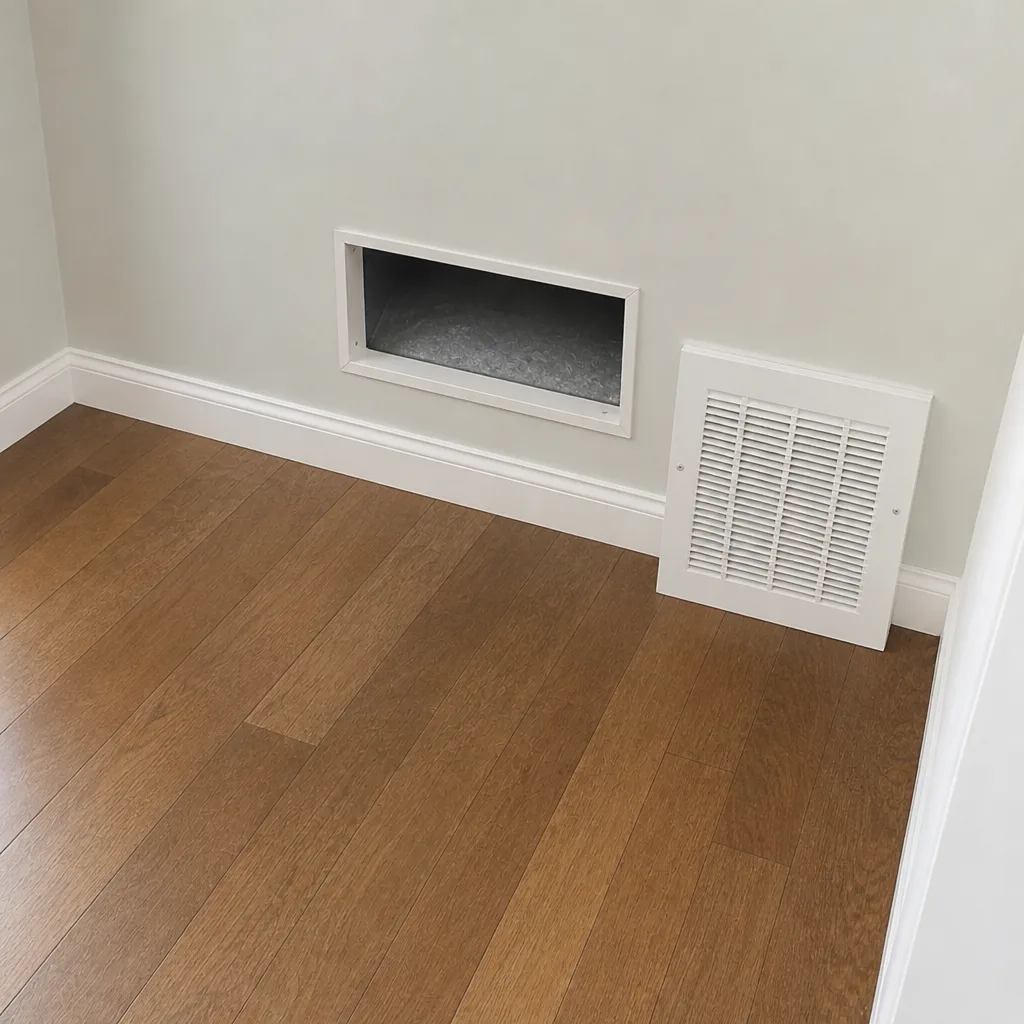 After
When to Call a Professional
Call a professional when a fire of any size happened while the HVAC was running, when basement flooding reached the air handler or its duct runs, when you’ve found evidence of rodents in the duct system, or when renovation work was done without sealing the returns. Call before you run the system again, and before you try cleaning anything yourself. Soot, mold spores, and rodent debris aren’t a DIY category, and HEPA-rated equipment is not standard household equipment. Duct Cleaning Brockton offers free estimates in Brockton – call (844) 834-2553. We answer 24/7. Fast dispatch from 7am to 7pm, Sunday through Friday, and every job gets a written scope before work starts. Our technicians have up to 8 years of experience, and we work with Rotobrush and Abatement Technologies equipment on every post-emergency job.
Frequently Asked Questions
Ducts should be evaluated within 24 to 48 hours after a fire, especially if the HVAC ran during or after the fire. Soot becomes more embedded in duct lining the longer it sits. Call (844) 834-2553 for an exact quote – estimates are free.
Duct cleaning after a fire is often covered when the damage is documented, but not automatically. Adjusters want photographs, a written scope, and evidence that the HVAC was operating during the fire. We can work with your insurer and provide documentation from our end. Call (844) 834-2553 for an exact quote – estimates are free.
Post-emergency duct cleaning is priced per job after the scope is written, not per vent. A routine maintenance cleaning typically runs in a lower range than a fire or flood cleanup, because the latter requires HEPA containment and negative-air equipment. Once we’ve assessed the duct system, we give one flat price for the job before any work starts. Call (844) 834-2553 for an exact quote – estimates are free.
Cheaper quotes usually leave out containment, HEPA-rated vacuum equipment, and duct repair. A shop vacuum and a single person can beat a fully equipped crew on price and lose on results every time. The cheapest quote often has no written scope and no before-and-after photographs. Call (844) 834-2553 for an exact quote – estimates are free.
Before-and-after photographs of the duct interior are the standard proof, and you should expect them as part of the job. Ask for them before booking so there’s no ambiguity afterward. We photograph the actual duct interior before and after every post-emergency cleaning. Call (844) 834-2553 for an exact quote – estimates are free.
One thorough post-emergency cleaning is the standard, with a follow-up evaluation if odor or debris returns after the system has been running for a few weeks. Maintenance cleaning afterward is on the normal schedule, not an emergency one. Call (844) 834-2553 for an exact quote – estimates are free.
The Bottom Line
Brockton homes face a narrow but serious set of duct emergencies – fire, flood, rodents, and uncontained renovations. What separates a manageable problem from a permanent one is the first 24 to 48 hours. Turn the system off, don’t touch the debris, photograph everything, and get an evaluation before you book a cleaning. Post-emergency work needs remediation-grade equipment: Rotobrush rotary cleaning, Nikro HEPA vacuum systems, and Abatement Technologies negative-air containment. A shop vac and a coupon won’t solve it. If you want a straight answer on what your duct system needs, our team handles Brockton homes and will give you one flat price for the job before any work starts. Call (844) 834-2553. We answer 24/7. Fast dispatch from 7am to 7pm, Sunday through Friday.
Written by the team at Duct Cleaning Brockton.